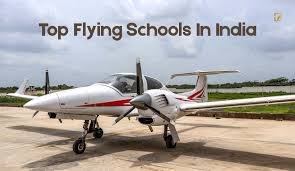
Choosing the best flying school is one of the most important decisions for students who dream of becoming professional pilots. A good flying school provides quality education, professional flight training, experienced instructors, modern aircraft, and proper guidance to help students achieve successful careers in aviation. With the rapid growth of the aviation industry in India and around the world, the demand for trained commercial pilots is increasing every year. This has also increased the number of aviation academies and pilot training institutes across the country.
However, selecting the right flying school is extremely important because the quality of training directly affects a student’s future career opportunities. Students should carefully evaluate various factors such as DGCA approval, infrastructure, training quality, flying hours, placement support, safety standards, and overall reputation before taking admission.
What is a Flying School?
A flying school is an aviation training institute that provides theoretical and practical flight training to students who want to become pilots. These schools help students obtain licenses such as Student Pilot License (SPL), Private Pilot License (PPL), and Commercial Pilot License (CPL). Flying schools also prepare students for DGCA examinations, aviation regulations, aircraft operations, navigation systems, and airline careers.
The main objective of a flying school is to provide students with professional pilot training and flying experience required to operate aircraft safely and efficiently.
Importance of Choosing the Best Flying School
The quality of pilot training depends greatly on the flying school selected by the student. A reputed aviation academy offers better training facilities, experienced instructors, modern aircraft, and improved career opportunities.
Choosing the best flying school helps students in the following ways:
- Better practical flying experience
- High-quality aviation education
- Faster completion of flying hours
- Improved safety standards
- Better airline placement opportunities
- Professional career guidance
- Modern flight simulators and aircraft
A good flying school also helps students build confidence, technical knowledge, and communication skills required in the aviation industry.
Eligibility Criteria for Flying School Admission
Students who want to join a flying school in India generally need to fulfill the following eligibility criteria:
- Must complete 10+2 from a recognized board
- Physics and Mathematics are compulsory subjects
- Minimum age should be 17 years
- Must pass DGCA medical examination
- Good communication skills in English
Students from Commerce or Arts streams can also become pilots after completing Physics and Mathematics through open schooling programs like National Institute of Open Schooling.
Types of Pilot Training Courses
The best flying schools provide different types of pilot training programs according to career goals and experience levels.
Student Pilot License (SPL)
This is the first stage of pilot training that allows students to begin learning basic flying operations.
Private Pilot License (PPL)
This course is designed for students who want to fly aircraft privately for personal purposes.
Commercial Pilot License (CPL)
The CPL course is the most popular aviation program for students who want to become airline pilots.
Multi-Engine Rating
This training allows pilots to operate aircraft with multiple engines.
Instrument Rating
This course trains pilots to fly aircraft in low visibility and difficult weather conditions using instruments.
Features of the Best Flying School
DGCA Approval
The most important factor while selecting a flying school is DGCA approval. Students should always choose a Directorate General of Civil Aviation approved aviation academy.
Experienced Flight Instructors
Professional and experienced instructors help students gain practical flying knowledge and confidence.
Modern Aircraft Fleet
The best flying schools maintain modern aircraft with advanced safety features and proper maintenance.
Flight Simulator Training
Advanced flight simulators help students practice real-life flying situations safely.
Good Safety Standards
Safety is one of the most important aspects of aviation training. Reputed flying schools follow strict safety guidelines and operational procedures.
Strong Placement Support
Top aviation academies provide airline interview preparation and placement assistance for students.
Well-Structured Curriculum
A professional flying school offers organized theoretical and practical training programs.
Best Flying Schools in India
India has several reputed aviation academies that provide excellent pilot training.
Indira Gandhi Rashtriya Uran Akademi
This is one of the most respected flying schools in India known for professional pilot training and experienced instructors.
Bombay Flying Club
One of the oldest aviation training institutes in India offering commercial pilot programs and flight training.
CAE Oxford Aviation Academy
Provides world-class aviation training and advanced pilot development programs.
Indira Gandhi Institute of Aeronautics
Offers various aviation and pilot training programs with modern infrastructure.
Madhya Pradesh Flying Club
Known for quality flight training and experienced aviation instructors.
Duration of Pilot Training
The duration of training depends on the type of pilot license and flying hours completed.
- SPL Course: Few weeks
- PPL Course: 6 to 12 months
- CPL Course: 18 to 24 months
Training duration may vary depending on weather conditions, aircraft availability, and student performance.
Flying School Fees in India
Pilot training is considered one of the most expensive professional courses in India. The average fees for commercial pilot training range between ₹35 lakh and ₹70 lakh.
The fee structure may include:
- Admission charges
- Ground classes
- Flying hours
- Aircraft fuel charges
- Simulator training
- Examination fees
- Uniform and study materials
Different flying schools may have different fee structures based on facilities and aircraft type.
Subjects Taught in Flying School
Students learn various theoretical and practical aviation subjects during pilot training.
Air Navigation
Students learn route planning, maps, navigation systems, and flight calculations.
Meteorology
This subject teaches weather conditions and their impact on aircraft operations.
Air Regulations
Students study aviation laws, safety procedures, and DGCA guidelines.
Aircraft Technical Knowledge
This subject explains aircraft engines, systems, and operational functions.
Radio Communication
Students learn aviation communication systems and radio procedures.
Flight Planning
Flight planning teaches fuel calculation, route selection, and operational planning.
Career Opportunities After Flying School
Students who complete pilot training from the best flying school can explore several aviation career opportunities.
Commercial Airline Pilot
Pilots can work for domestic and international airlines.
Cargo Pilot
Cargo pilots transport goods and logistics materials.
Charter Pilot
Charter pilots fly private aircraft for businesses and VIP clients.
Flight Instructor
Experienced pilots can become aviation trainers and instructors.
Government Aviation Services
Pilots may also work in government aviation departments and emergency services..
Scope of Aviation Industry in India
India is one of the fastest-growing aviation markets globally. Increasing passenger traffic, expansion of airports, and growth of airline companies are creating huge demand for commercial pilots. The aviation industry is expected to generate thousands of pilot jobs in the coming years.
This makes joining the best flying school an excellent career investment for students interested in aviation.
Conclusion
Choosing the best flying school is the first and most important step toward building a successful aviation career. A good flying school provides quality education, professional flight training, experienced instructors, modern aircraft, and excellent career support. Students should carefully research aviation academies before taking admission to ensure they receive the best possible training.
With dedication, proper guidance, and professional pilot training, students can achieve their dream of becoming commercial airline pilots. The aviation industry offers exciting career opportunities, attractive salaries, global exposure, and a highly respected profession. Enrolling in the best flying school can help students begin a successful journey in the world of aviation.