Guide for DGCA Class 2 Medical and DGCA Class 1 Medical
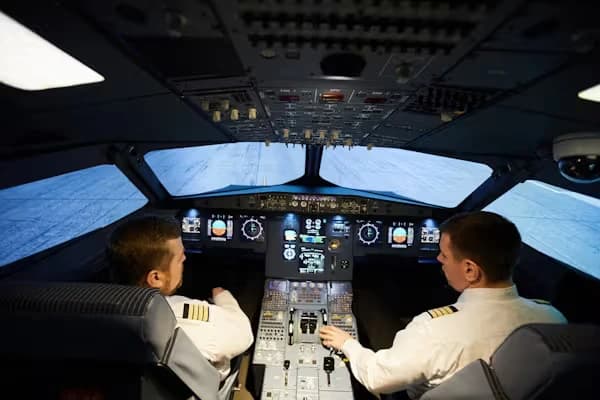
Aspiring pilots in India are required to undergo specific medical assessments to ensure they meet the necessary mental and physical health standards for aviation. The Directorate General of Civil Aviation (DGCA) mandates two primary medical examinations — DGCA Class II and DGCA Class I medical certifications. Both assessments are critical to starting and progressing in a pilot’s career.
In this guide, we will delve into the requirements, procedures, and validity for each of these medical certifications, ensuring that you are well-prepared for each step.
Overview of DGCA Class II and Class I Medical Examinations
To become a licensed pilot in India, DGCA mandates medical certifications to verify that pilots meet stringent health standards. These examinations are designed to assess overall fitness, detect any medical conditions that could impair flying ability, and ensure the safety of passengers and crew.
- Class II Medical Certificate – Required initially for a Student Pilot License (SPL) and to start flight training.
- Class I Medical Certificate – Necessary for obtaining a Commercial Pilot License (CPL) and for operating as a commercial pilot.
DGCA Class II Medical Examination
The DGCA Class II medical examination is the entry-level certification for individuals aspiring to begin their pilot training. This certification is mandatory for obtaining a Student Pilot License (SPL) and enrolling in a DGCA-approved flight school.
Who Needs a Class II Medical Certificate?
- Student Pilot License (SPL) applicants
- Private Pilot License (PPL) holders
- Flight Radio Telephone Operator’s License holders
Class II Medical Standards
- Physical Requirements – Basic physical health requirements to ensure general fitness
- Vision Requirements – Acceptable eyesight with or without corrective lenses
- Hearing Requirements – Standard hearing ability for effective communication
Steps to Obtain a Class II Medical Certificate
- Register on the eGCA portal for DGCA Class II medical
- Select a DGCA-approved medical examiner
- Undergo the required medical tests
- Submit all medical reports to the approved doctor
- Receive your DGCA Class II medical assessment
DGCA Class I Medical Examination
After obtaining a Class II medical certificate, pilots aiming for a Commercial Pilot License (CPL) must clear the DGCA Class I medical examination. This medical is more comprehensive and ensures that pilots are physically and mentally fit for commercial flying operations.
Who Needs a Class I Medical Certificate?
- Commercial Pilot License (CPL) holders
- Airline Transport Pilot License (ATPL) holders
- Flight Engineers
DGCA Class I medical examination includes advanced tests such as ECG, blood tests, chest X-ray, audiometry, ophthalmology assessment, and psychological evaluation depending on the candidate’s profile.
For more detailed information, candidates should consult DGCA-approved medical examiners or authorized medical centers.

