Everything You Need to Know About Flight Simulator Training
The aviation industry has evolved significantly over the years, and one of the most important advancements in pilot training is Flight Simulator Training. Modern flight simulators allow aspiring and professional pilots to experience realistic flying conditions in a controlled environment, helping them develop the skills and confidence required to operate aircraft safely and efficiently.
Whether you are pursuing a Commercial Pilot License (CPL), preparing for airline recruitment, or enhancing your flying skills, flight simulator training plays a crucial role in your aviation journey. In this guide, we'll explore everything you need to know about flight simulator training, its benefits, types, and importance for future airline pilots.

What is Flight Simulator Training?
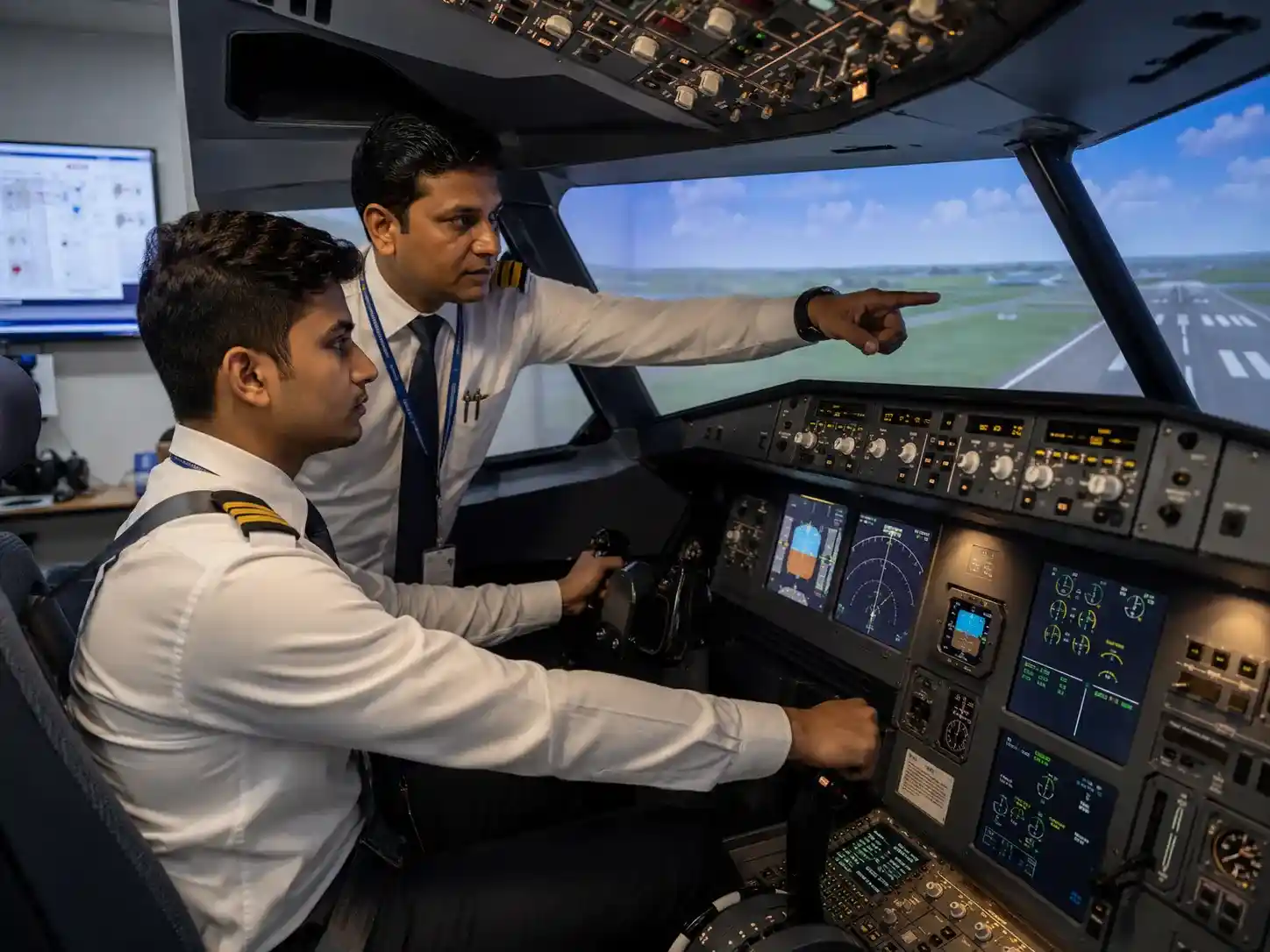
Flight Simulator Training is a specialized form of pilot training that uses advanced simulation technology to recreate real aircraft operations and flight conditions. Simulators are designed to mimic the cockpit environment, aircraft systems, weather conditions, airport operations, and emergency scenarios.
Pilots can practice takeoffs, landings, navigation, instrument flying, and emergency procedures without leaving the ground. This allows them to gain valuable experience while minimizing risk and training costs.
Why is Flight Simulator Training Important?
Flight simulator training has become a mandatory component of modern aviation education because it offers a safe and effective learning environment.
1. Enhances Pilot Skills
Simulators help pilots improve critical skills such as:
- Aircraft handling
- Instrument flying
- Navigation
- Decision-making
- Situational awareness
- Communication procedures
Regular simulator practice helps students become more confident and competent pilots.
2. Improves Flight Safety
One of the biggest advantages of simulator training is safety. Pilots can experience emergency situations that would be difficult or dangerous to practice in an actual aircraft.
Examples include:
- Engine failures
- Hydraulic malfunctions
- Electrical failures
- Severe weather conditions
- Emergency landings
Training for these situations helps pilots respond effectively during real emergencies.
3. Cost-Effective Learning
Operating an aircraft involves fuel costs, maintenance expenses, airport charges, and instructor fees. Flight simulators provide a cost-effective alternative for practicing many flight procedures while reducing overall training expenses.
4. Builds Airline Readiness
Airlines use simulator assessments as part of their recruitment process. Candidates who have simulator experience often perform better during airline evaluations and transition more smoothly into airline operations.
Types of Flight Simulators
Basic Flight Training Devices
These simulators are used by beginner pilots to learn basic aircraft controls, flight instruments, and navigation procedures.
Advanced Flight Simulators
Advanced simulators replicate complex aircraft systems and provide realistic flight experiences. They are commonly used for commercial pilot training and airline preparation.
Full Flight Simulators
Full Flight Simulators (FFS) offer the highest level of realism. They feature motion platforms, realistic cockpit replicas, and advanced visual systems that accurately recreate aircraft behavior.
These simulators are widely used by airlines for pilot training and recurrent assessments.

What Do Pilots Learn During Simulator Training?
Flight simulator sessions cover a wide range of aviation skills, including:
Aircraft Familiarization
Students learn aircraft systems, cockpit layout, instrument interpretation, and operational procedures.

Instrument Flying
Pilots practice flying solely by reference to instruments, a critical skill for operating in low-visibility conditions.

Navigation Exercises
Simulator training helps pilots understand route planning, waypoint tracking, and airspace management.
Emergency Procedures
Pilots learn how to handle unexpected situations calmly and professionally.
Crew Resource Management (CRM)
CRM training teaches effective communication, teamwork, leadership, and decision-making within the cockpit.
Benefits of Flight Simulator Training for Aspiring Pilots
Faster Skill Development
Students can repeat complex procedures multiple times until they achieve proficiency.
Realistic Experience
Modern simulators accurately replicate aircraft performance, weather conditions, and operational challenges.
Confidence Building
Practice in a risk-free environment helps pilots gain confidence before flying actual aircraft.
Better Airline Interview Performance
Many airline recruitment processes include simulator assessments. Prior simulator experience can significantly improve performance during these evaluations.
Continuous Learning
Even experienced airline pilots regularly undergo simulator training to maintain skills and stay updated with industry standards.
Flight Simulator Training and Airline Careers
For aspiring commercial pilots, simulator training serves as a bridge between theoretical knowledge and real-world flying.
Airlines expect pilots to demonstrate:
- Technical competence
- Professional decision-making
- Strong communication skills
- Emergency management abilities
- Crew coordination skills
Simulator training develops all these competencies and prepares candidates for airline operations.
Many airlines conduct simulator checks during recruitment to evaluate a candidate's flying ability, situational awareness, and overall professionalism.
Choosing the Right Flight Simulator Training Program
When selecting a simulator training program, consider the following:
- Qualified instructors
- Modern simulator equipment
- Airline-oriented training modules
- Practical scenario-based learning
- Strong industry reputation
- Comprehensive aviation curriculum
A high-quality training program can significantly enhance your aviation career prospects.
The Future of Flight Simulator Training
Advancements in technology continue to improve simulator realism and effectiveness. Virtual reality, artificial intelligence, and advanced visual systems are making simulator training more immersive than ever before.
As aviation grows worldwide, simulator training will remain a cornerstone of pilot education, helping produce safer and more capable aviation professionals.
Conclusion
Flight Simulator Training is an essential part of modern pilot development. It provides a safe, cost-effective, and highly realistic environment where pilots can build skills, improve decision-making abilities, and prepare for real-world flying challenges.
Whether you are a student pilot, CPL holder, or aspiring airline captain, simulator training plays a crucial role in achieving your aviation goals. By investing in quality simulator training, you can strengthen your technical knowledge, improve your confidence, and increase your chances of success in the competitive aviation industry.
Visit and follow our Instagram We One Aviation page to explore our latest aviation activities, training highlights, and pilot career updates. Stay connected with us and become part of our growing aviation community!
FAQs
1. What is Flight Simulator Training?
Flight Simulator Training uses advanced simulation technology to help pilots practice flying procedures, navigation, and emergency situations in a realistic environment.
2. Is Flight Simulator Training necessary for commercial pilots?
Yes, simulator training is an important part of commercial pilot training and airline preparation programs.
3. Can simulator training replace actual flight training?
No, simulator training complements real flight training but cannot completely replace actual flying experience.
4. How does simulator training help airline pilot candidates?
It improves technical skills, decision-making, situational awareness, and performance during airline simulator assessments.
5. What are the benefits of Flight Simulator Training?
Benefits include enhanced safety, lower training costs, realistic experience, confidence building, and better preparation for airline careers.