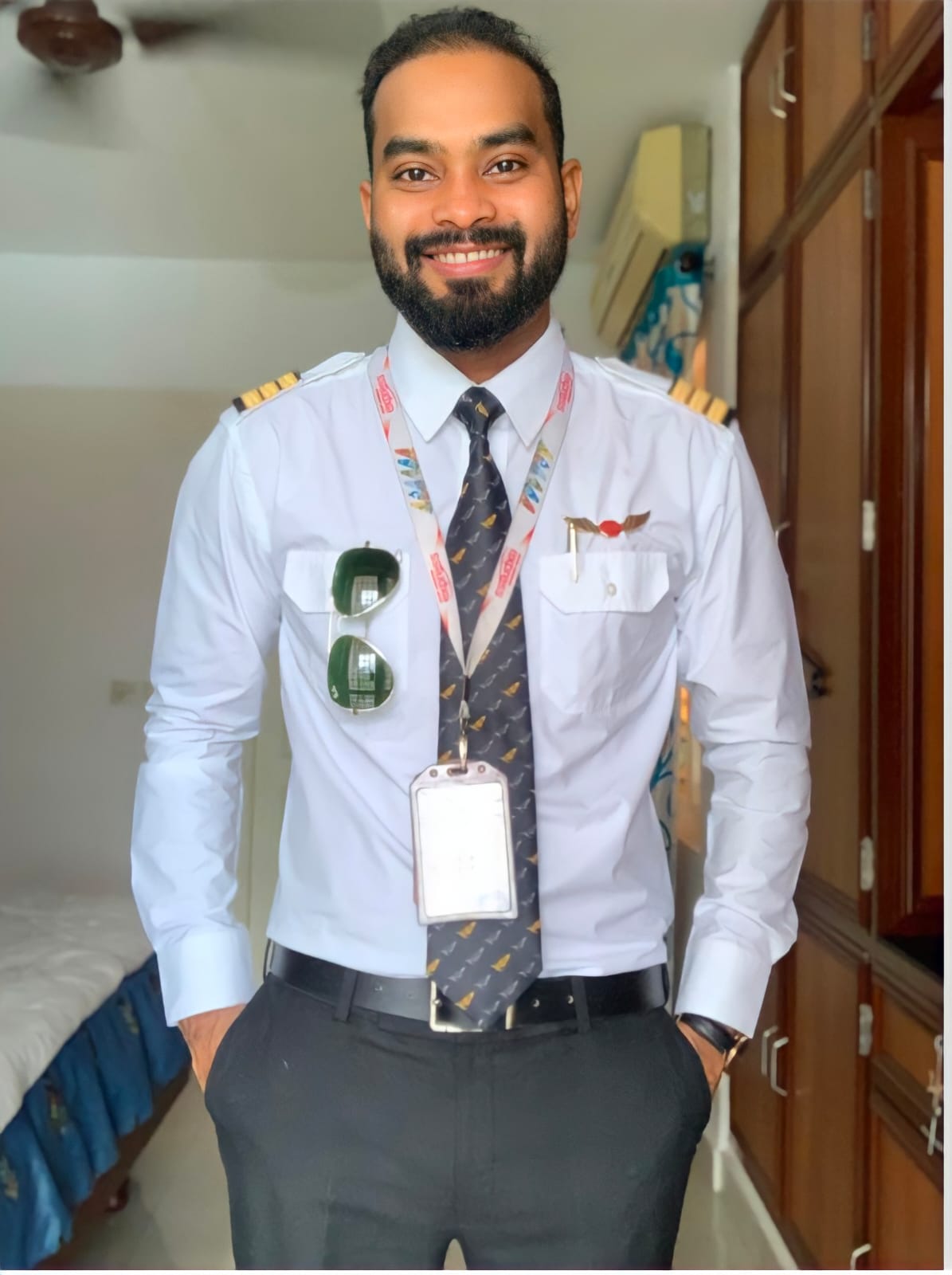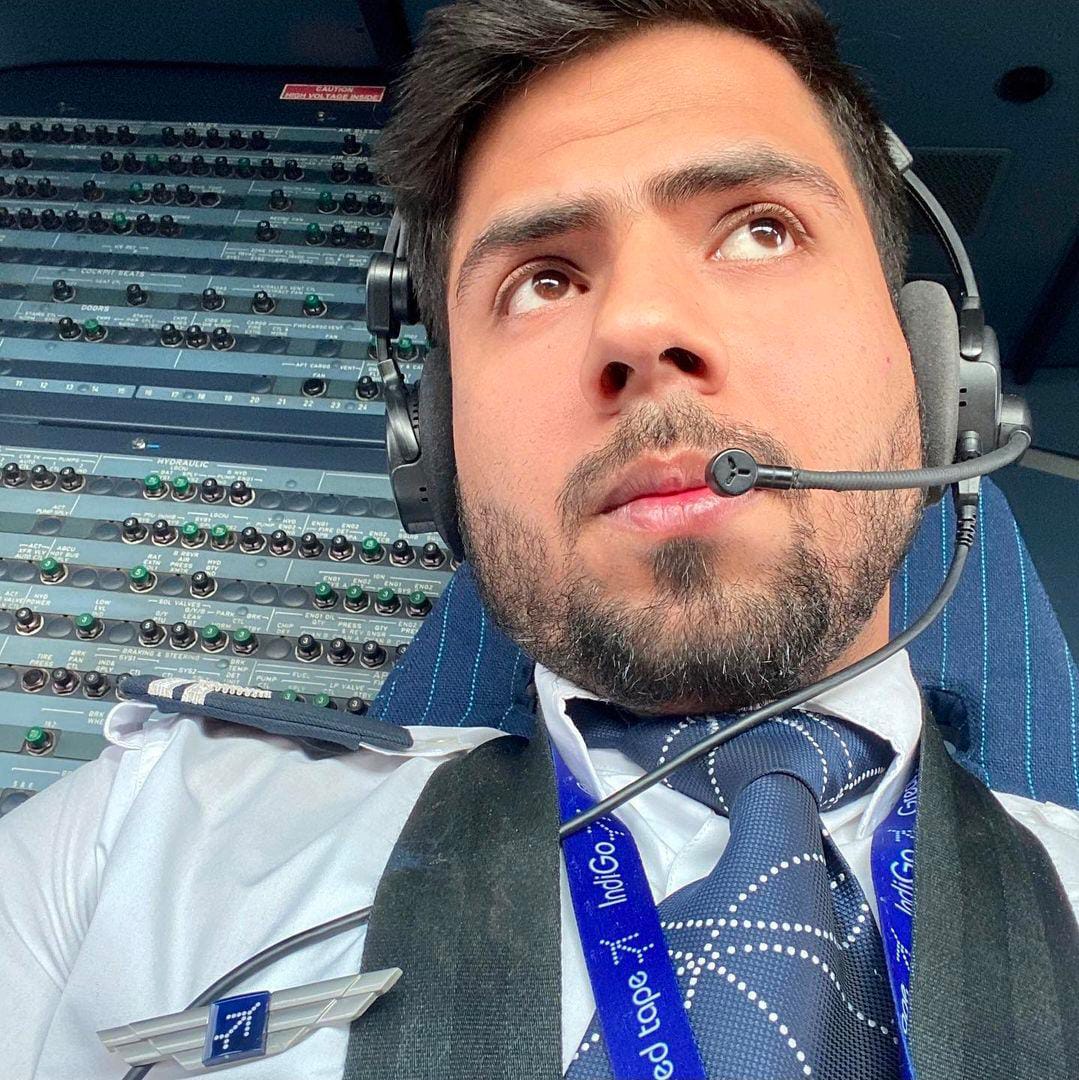
How to Become a Pilot: A Complete Step-by-Step Guide
Becoming a pilot is a dream career for many people who are passionate about aviation, travel, and adventure. Pilots enjoy exciting career opportunities, attractive salaries, and the chance to operate some of the world's most advanced aircraft. However, becoming a professional pilot requires dedication, training, and a clear understanding of the aviation licensing process.
If you are wondering how to become a pilot in India, this step-by-step guide will help you understand the complete journey from student to professional aviator.
Complete Your Educational Qualifications
The first step toward becoming a pilot is meeting the educational requirements.
To pursue a Commercial Pilot License (CPL) in India, candidates generally need to complete their 10+2 education from a recognized board with Physics and Mathematics as compulsory subjects.
Students who did not study Physics and Mathematics during Class 12 can often complete these subjects through approved educational programs before starting pilot training.
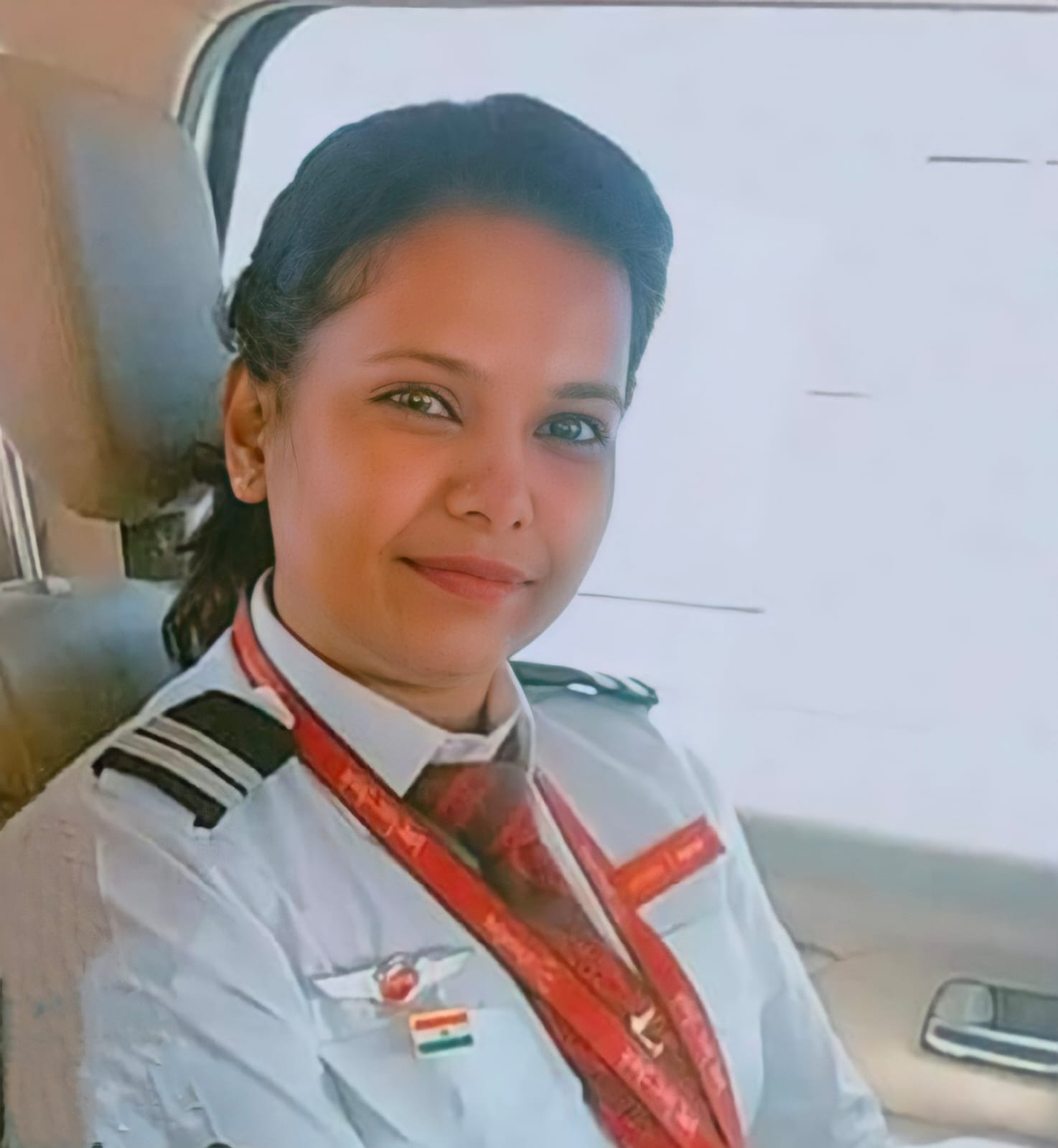
A strong academic foundation helps students understand aviation concepts more effectively during training.
Research Pilot Career Options
Before beginning flight training, it is important to understand the different types of pilot careers available.
Popular aviation career options include:
- Commercial Pilot
- Airline Pilot
- Cargo Pilot
- Charter Pilot
- Corporate Pilot
- Flight Instructor
- Aviation Management Professional
Learning about these career paths can help you choose the most suitable training route based on your goals and interests.
Obtain a DGCA Computer Number
A DGCA Computer Number is a unique identification number issued by the Directorate General of Civil Aviation (DGCA).
This number is required for:
- DGCA theory examinations
- Examination registration
- Pilot licensing procedures
Aspiring pilots should obtain their Computer Number early to avoid delays during training.
Complete DGCA Medical Examinations
Medical fitness is one of the most important requirements for becoming a pilot.
Class 2 Medical Examination: Most students begin with a Class 2 Medical assessment to determine basic fitness for flight training.
Class 1 Medical Examination: A Class 1 Medical Certificate is required before obtaining a Commercial Pilot License.
The examination evaluates:
- Vision
- Hearing
- Cardiovascular health
- Physical fitness
- Mental health
Maintaining good health is essential throughout a pilot's career.
Choose a Reputable Flying School
Selecting the right flying school is one of the most important decisions in your aviation journey.
When evaluating flying schools, consider:
- Training quality
- Instructor experience
- Aircraft fleet
- Infrastructure
- Safety standards
- Student support services
- Placement assistance
Choosing a reputable training institution can significantly improve your learning experience and career opportunities.
Enroll in Flight Training: After completing the admission process, students begin formal flight training.
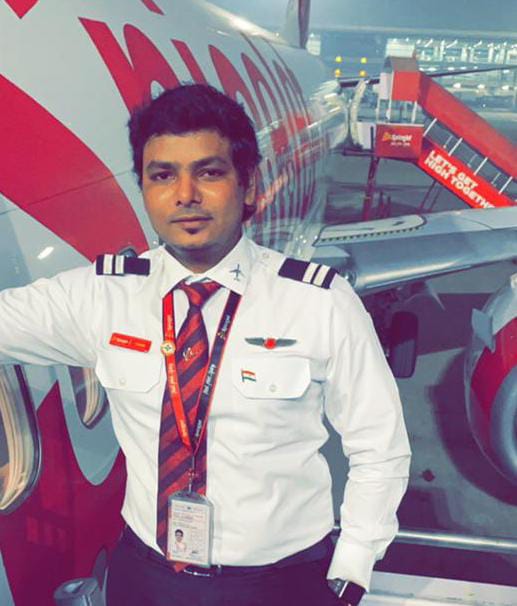
Pilot training consists of: Ground School Training
Ground school covers theoretical aviation subjects such as:
- Air Navigation
- Meteorology
- Air Regulations
- Aircraft Technical Knowledge
- Aviation Safety
This knowledge forms the foundation of professional flying.
Practical Flight Training
Students receive hands-on flying experience under the supervision of certified flight instructors.
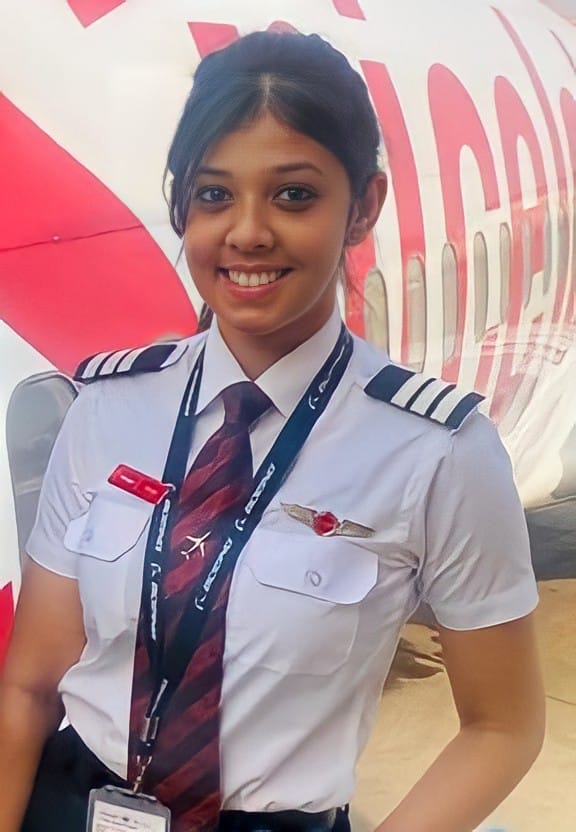
Training includes:
- Basic aircraft handling
- Takeoff and landing procedures
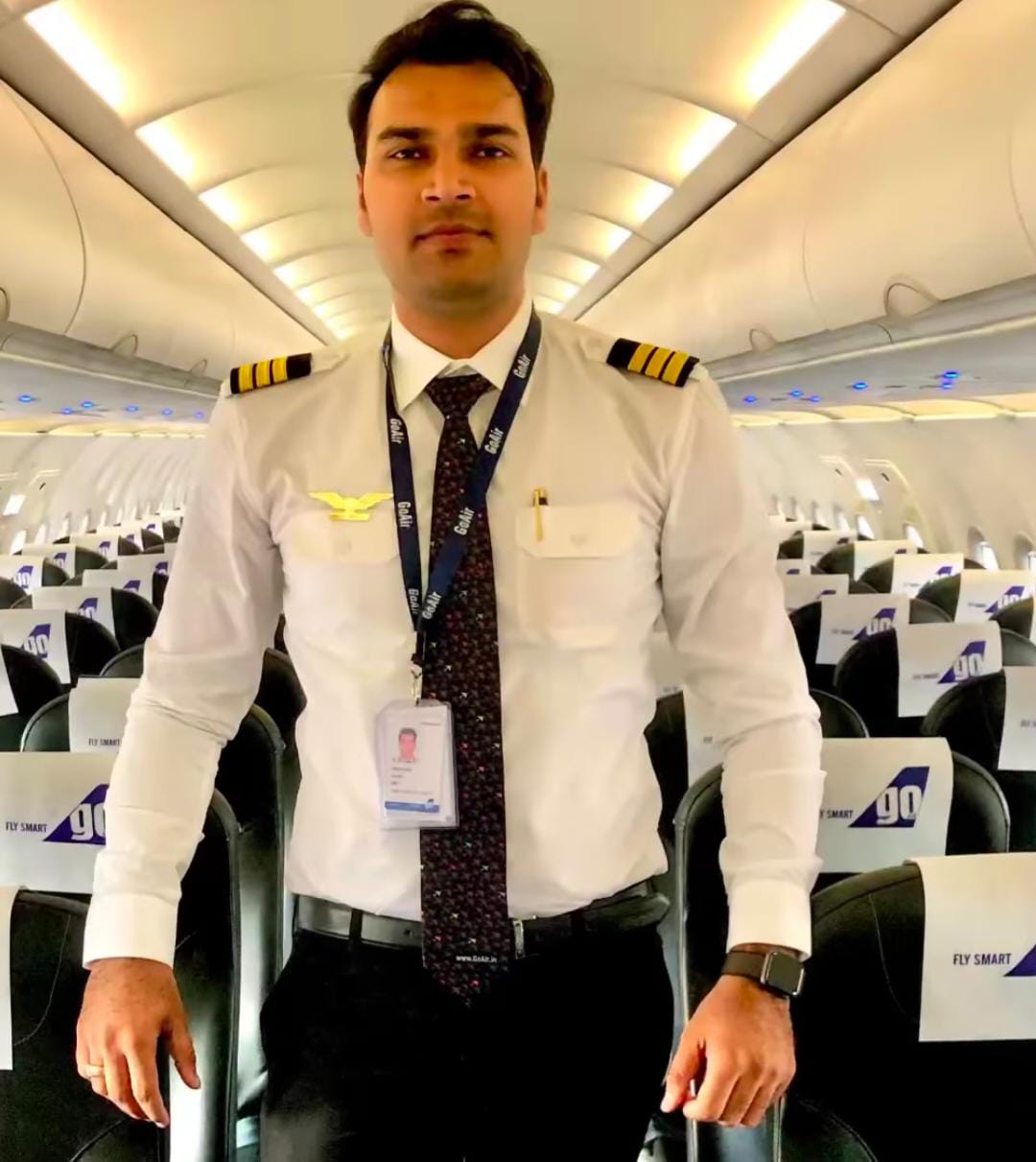
- Navigation exercises
- Emergency procedures
- Solo flights
- Cross-country flying
Practical experience is essential for developing safe and effective flying skills.
Pass DGCA Theory Examinations
Commercial pilot candidates must successfully pass DGCA theoretical examinations.
Key subjects generally include:
- Air Navigation
- Meteorology
- Air Regulations
- Technical General
- Technical Specific
Preparing thoroughly for these examinations is important because theoretical knowledge plays a critical role in aviation safety and decision-making.
Complete Required Flight Hours
To qualify for a Commercial Pilot License, candidates must complete the required flight training hours specified by DGCA regulations.
These hours typically include:
- Dual flight training
- Solo flying
- Cross-country flights
- Instrument training
- Night flying experience
Flight hours help students gain confidence and practical experience in different flying conditions.
Obtain Radio Telephony (RTR) Certification: Communication is a vital skill for professional pilots.
The Radio Telephony Restricted (RTR) certification demonstrates a pilot's ability to communicate effectively with Air Traffic Control using standard aviation phraseology.
This qualification is an important part of professional pilot training.
Skills Required to Become a Successful Pilot
In addition to technical training, successful pilots often possess:
- Strong communication skills
- Leadership abilities
- Problem-solving capabilities
- Decision-making skills
- Discipline and professionalism
- Situational awareness
- Teamwork
Developing these qualities contributes to long-term career success.
Career Opportunities After Becoming a Pilot
Qualified pilots can explore various career opportunities, including:
- Commercial Airlines
- Charter Companies
- Cargo Operations
- Corporate Aviation
- Flight Training Organizations
- Government Aviation Services
The growing aviation industry continues to create demand for skilled and qualified pilots.
Conclusion
Becoming a pilot requires dedication, hard work, and careful planning. From completing educational qualifications and medical examinations to flight training and licensing, every step plays an important role in building a successful aviation career.
By following the correct process, selecting a quality flying school, and staying committed to your training, you can achieve your dream of becoming a professional pilot. The journey may be challenging, but the rewards of flying professionally and building a career in aviation make it one of the most exciting professions in the world.
For aspiring aviators, the sky is truly the beginning of an incredible journey.
FAQs
1. What qualifications are required to become a pilot in India?
Candidates generally need to complete 10+2 with Physics and Mathematics from a recognized board.
2. What is a DGCA Computer Number?
It is a unique identification number required for DGCA examinations and pilot licensing procedures.
3. How long does it take to become a commercial pilot?
The duration varies depending on training schedules and flight hour completion, but many students complete training within 18–24 months.
4. Is a medical examination required for pilot training?
Yes, candidates must meet DGCA medical fitness standards, including obtaining a Class 1 Medical Certificate for CPL issuance.
5. What career opportunities are available after obtaining a CPL?
Pilots can work with airlines, charter operators, cargo companies, corporate aviation firms, and flight training organizations.