How to Get an Airline Transport Pilot License (ATPL) in India
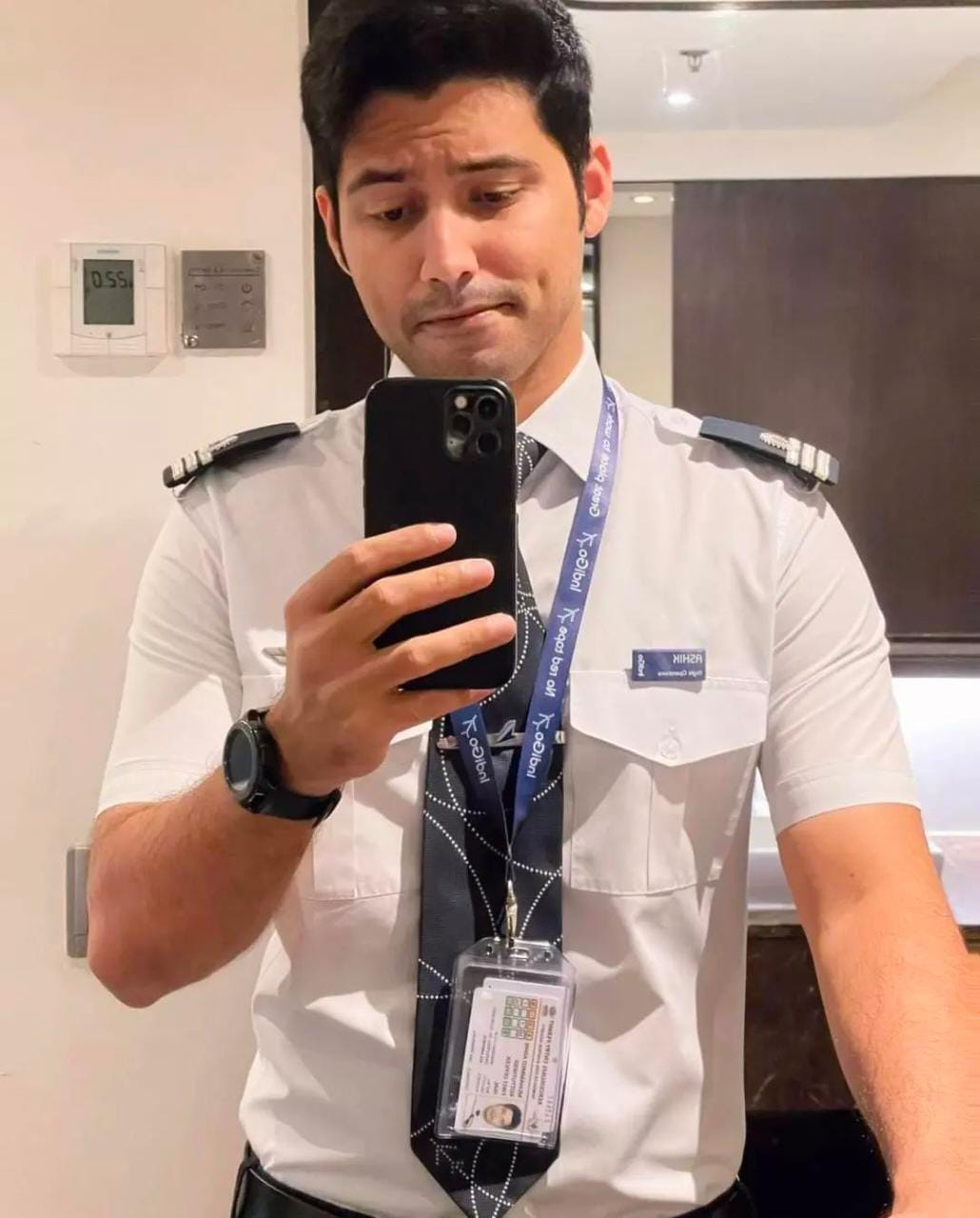
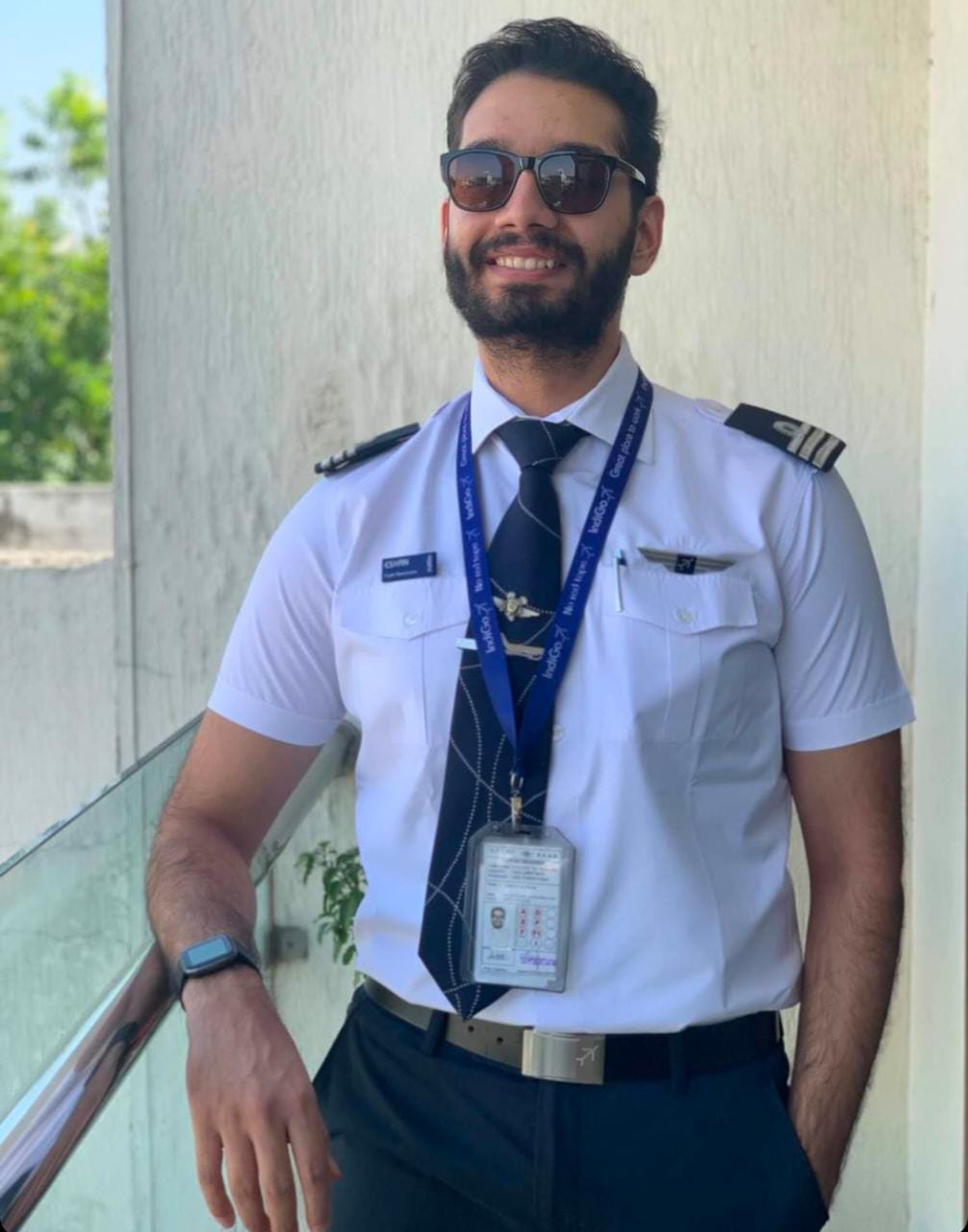
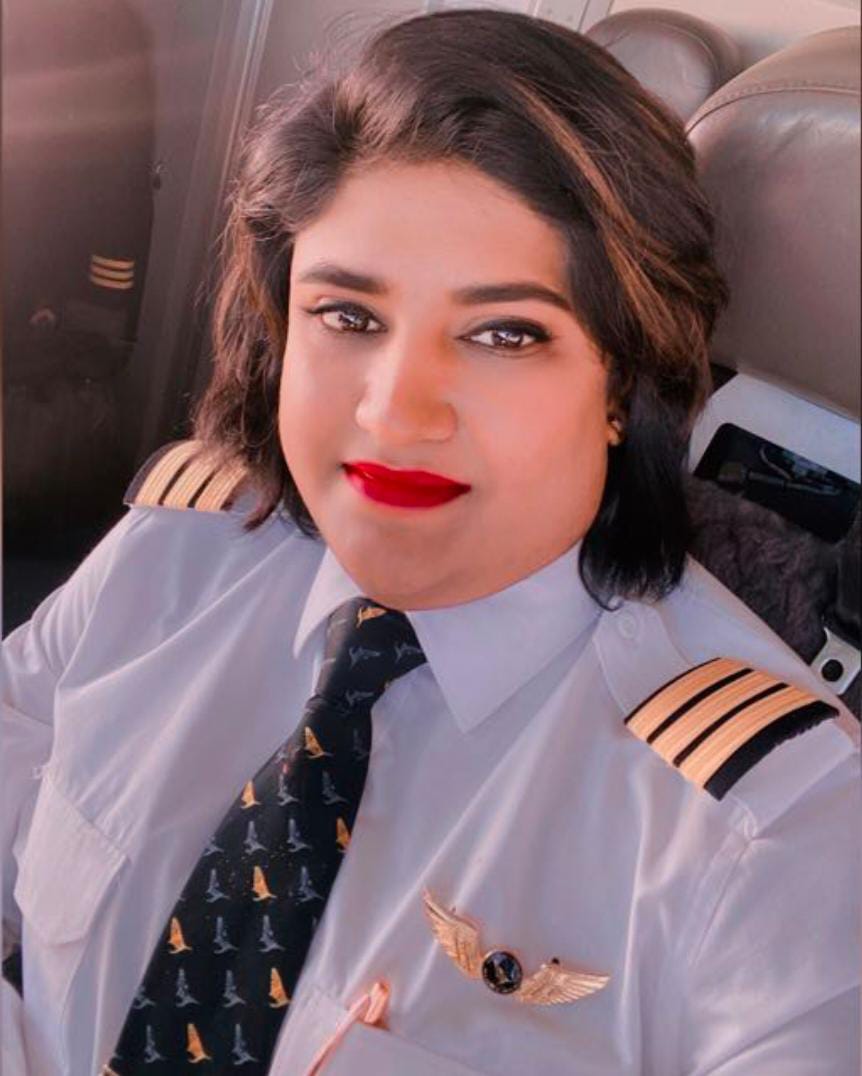
For pilots who aspire to become airline captains, obtaining an Airline Transport Pilot License (ATPL) is the highest level of pilot certification in India. Issued by the Directorate General of Civil Aviation (DGCA), the ATPL authorizes pilots to act as Pilot-in-Command (Captain) of commercial aircraft operating for airlines.
As India's aviation industry continues to expand, the demand for experienced and qualified airline pilots is increasing rapidly. Achieving an ATPL is a major milestone in a pilot's career and opens doors to leadership roles within the aviation sector. This guide explains the eligibility requirements, flight experience, examinations, and steps involved in obtaining an Airline Transport Pilot License (ATPL) in India.
What is an Airline Transport Pilot License (ATPL)?
An Airline Transport Pilot License (ATPL) is the highest level of aircraft pilot certification granted by DGCA. It allows a pilot to serve as the captain of commercial airline operations and command multi-crew aircraft.
Most airline captains hold an ATPL, making it an essential qualification for pilots aiming to advance beyond the First Officer position.
Why is ATPL Important?
An ATPL demonstrates advanced aviation knowledge, flight experience, and professional competence. It is required for:
- Becoming an Airline Captain
- Commanding commercial passenger aircraft
- Leading multi-crew airline operations
- Career progression in airlines
- Higher salary and professional recognition
Without an ATPL, a pilot may continue to work as a First Officer but cannot serve as the captain of a scheduled airline flight.
Eligibility Requirements for ATPL in India: To apply for an ATPL in India, candidates must satisfy DGCA requirements.
Age Requirement: Applicants must be at least 21 years old.
Educational Qualification: Candidates should have completed 10+2 with Physics and Mathematics from a recognized board.
Medical Fitness: Pilots must possess a valid DGCA Class I Medical Certificate to ensure they meet the physical and mental fitness standards required for airline operations.
Existing Pilot License: Applicants must already hold a valid Commercial Pilot License (CPL) issued by DGCA.
Flight Experience Required for ATPL: One of the most important requirements for obtaining an ATPL is accumulating the necessary flight hours.
Generally, DGCA requires:
- Minimum 1,500 total flying hours
- Specific Pilot-in-Command (PIC) hours
- Cross-country flying experience
- Night flying experience
- Instrument flying experience
These hours are accumulated while working as a commercial pilot, First Officer, charter pilot, or flight instructor.
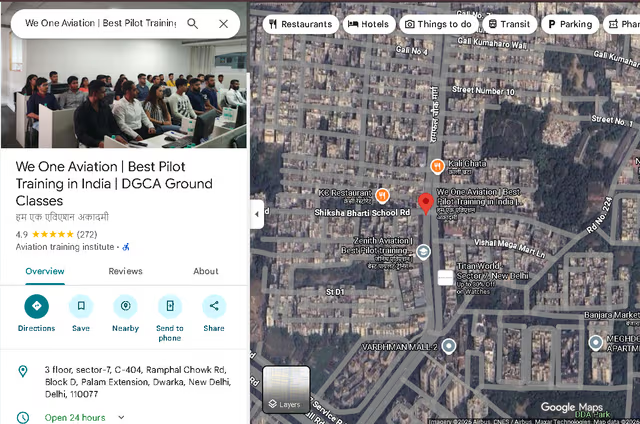
Why You Should Join We One Aviation For ATPL Course Preparation?
We at We One Aviation feel that all the students deserve good quality education and career guidance. Our institute is specially designed to help students prepare themselves for the DGCA exams and have a bright future in aviation.
The Airline Transport Pilot Licence (ATPL) is the most advanced form of pilot licence issued by the Directorate General of Civil Aviation (DGCA). The ATPL licence enables pilots to act as the Captain of commercial airliners.
It shows that the pilot is competent to fly commercially because he/she has mastered the necessary flight skills, accumulated the necessary knowledge and has adequate experience for flying commercially.
The pilot starts his/her career with a Commercial Pilot Licence (CPL), which he/she upgrades to an ATPL.
Why do the students prefer us?
- Preferred by more than 6000 aspiring pilots
- More than 4000 successful placements and career guidance
- DGCA certified instructors
- Classroom and online teaching
- DGCA syllabus updated
- One-to-one mentoring
- Mock tests and performance monitoring
- Low-cost fees
- Good placement help
- State-of-the-art teaching facility
We at We One Aviation have made ourselves one of the top aviation training institutes in Delhi through our efforts towards student success.
Step-by-Step Process to Obtain an ATPL in India
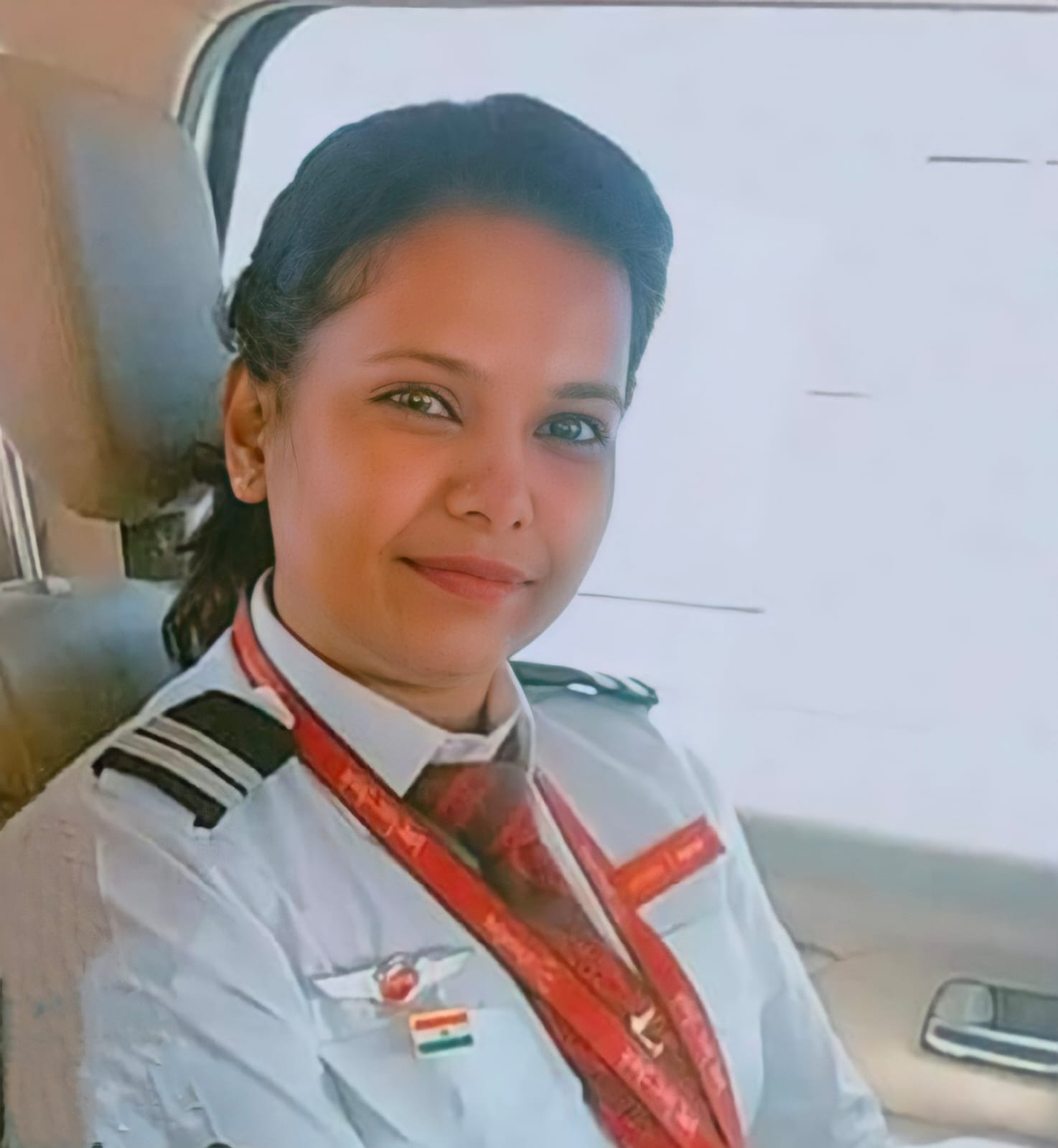
Step 1: Earn a Commercial Pilot License (CPL)
The journey toward an ATPL begins with obtaining a Commercial Pilot License. A CPL allows pilots to work professionally and gain valuable flight experience. Most pilots start their careers as First Officers after completing CPL training.
Step 2: Build Flight Hours
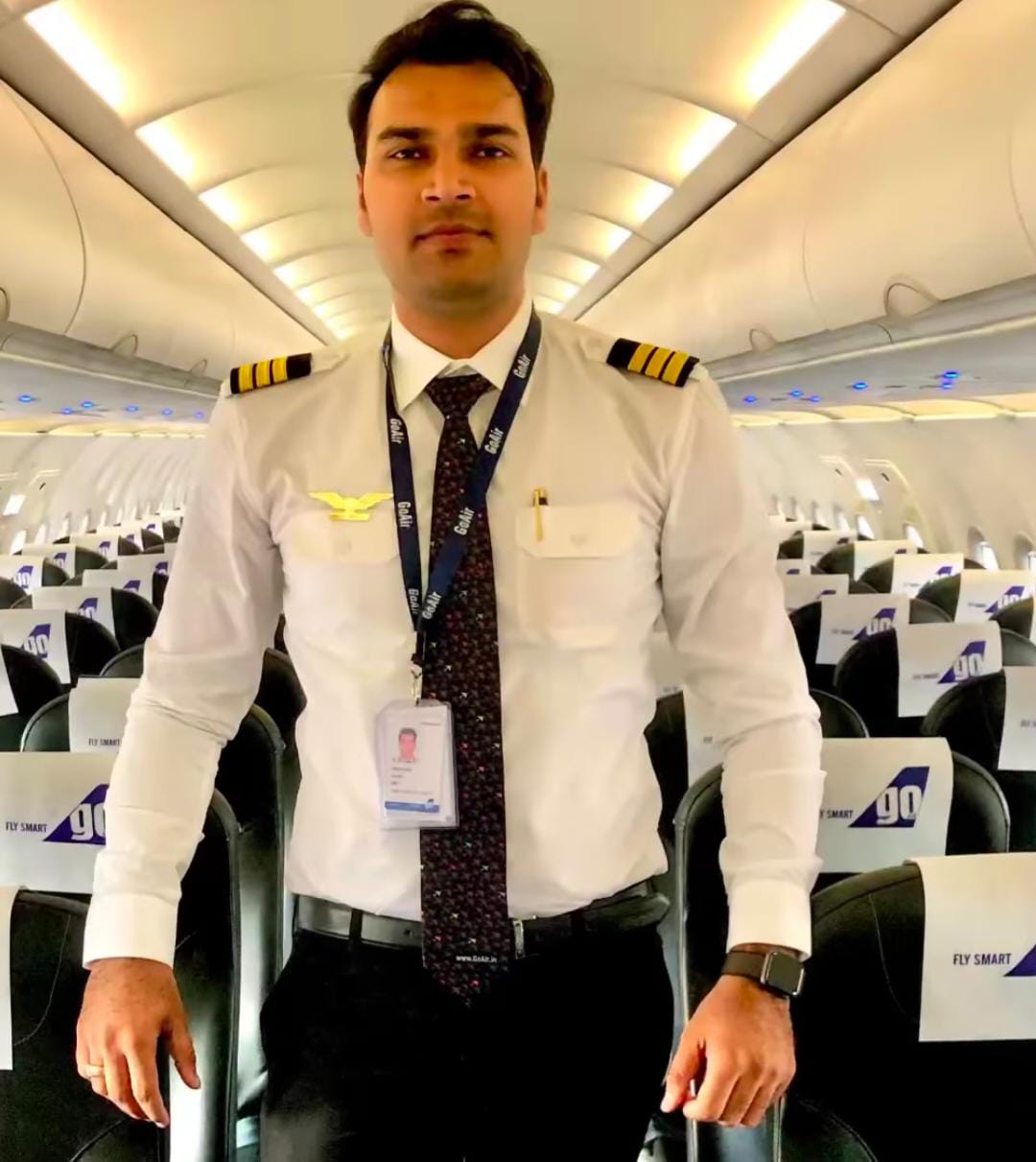
After receiving a CPL, pilots must accumulate the required flight experience. Airlines, charter operators, cargo companies, and flight training organizations provide opportunities to build the necessary flying hours required for ATPL eligibility.
Step 3: Maintain Medical Certification
Pilots must maintain a valid DGCA Class I Medical Certificate throughout their professional careers Regular medical assessments ensure continued compliance with aviation safety standards.
Step 4: Pass DGCA ATPL Examinations
Candidates must successfully pass DGCA ATPL theoretical examinations.
The subjects generally include:
- Air Navigation
- Radio Aids and Instruments
- Aviation Meteorology
- Air Regulations
These exams evaluate a pilot's advanced understanding of airline operations and aviation safety.
Step 5: Complete Skill and Proficiency Requirements
Pilots must demonstrate operational proficiency and competency according to DGCA standards. This may involve simulator assessments, instrument proficiency checks, and operational evaluations.
Step 6: Submit Application to DGCA
Once all requirements have been fulfilled, candidates can submit their ATPL application along with supporting documents, examination results, flight records, and medical certifications. After verification and approval, DGCA issues the Airline Transport Pilot License.
ATPL Subjects and Examinations: ATPL examinations are more advanced than CPL-level assessments and focus on airline operations.
Air Navigation: This subject covers advanced navigation techniques, flight planning, route calculations, and operational procedures.
Meteorology: Pilots learn to interpret weather systems, forecasts, and meteorological data affecting airline operations.
Air Regulations: Candidates study national and international aviation regulations, safety standards, and operational requirements.
Radio Aids and Instruments: This subject focuses on navigation equipment, instrument systems, communication procedures, and electronic flight systems. Proper preparation is essential for successfully clearing ATPL examinations.
ATPL Training Duration: There is no fixed duration for obtaining an ATPL because the timeline depends on how quickly a pilot accumulates the required flight hours.
Most pilots achieve ATPL eligibility within 4 to 8 years after obtaining their CPL, depending on:
- Airline employment opportunities
- Flying frequency
- Operational experience
- Career progression
Pilots who fly regularly may complete the required experience sooner.
Cost of Obtaining an ATPL in India
The ATPL itself does not involve the same level of training expenses as a CPL because pilots usually gain experience while employed.
However, costs may include:
-
DGCA examination fees
-
Medical examinations
-
License processing fees
-
Simulator assessments
-
Documentation expenses
The overall investment varies depending on the pilot's training path and airline requirements.
Career Opportunities After ATPL
Obtaining an Airline Transport Pilot License significantly enhances career prospects.
Airline Captain: The primary career goal for most ATPL holders is becoming a captain with domestic or international airlines.
Training Captain: Experienced captains may supervise and train junior pilots within airline organizations.
Aviation Management Roles: ATPL holders often move into aviation leadership and operational management positions.
International Airline Opportunities: The ATPL improves eligibility for opportunities with global airline operators.
Future Scope of ATPL Holders in India: India is among the fastest-growing aviation markets worldwide. New airports, expanding airline fleets, increasing passenger demand, and international route growth are creating strong demand for qualified captains.
As airlines continue to recruit experienced pilots, ATPL holders are expected to enjoy excellent career opportunities, competitive salaries, and long-term job stability.
Conclusion
Obtaining an Airline Transport Pilot License (ATPL) in India is a significant achievement for any professional pilot. It represents the highest level of pilot certification and is essential for becoming an airline captain.
The journey requires dedication, extensive flight experience, successful completion of DGCA examinations, and ongoing professional development. While the process takes time and commitment, the rewards include greater responsibility, higher earnings, and outstanding career opportunities in the aviation industry.
For aspiring commercial pilots, earning an ATPL is the ultimate step toward commanding commercial aircraft and achieving long-term success in aviation.
Frequently Asked Questions (FAQs)
1. What is Airline Transport Pilot License (ATPL)?
The Airline Transport Pilot License (ATPL) is the highest rating of pilot license issued by the DGCA in India. This license gives a pilot authority to fly as Captain (Pilot-in-Command) of commercial airliner after achieving required flight hours, examination and medical requirement.
2. Difference between CPL and ATPL?
The Commercial Pilot License (CPL) provides pilot the authority to fly commercial airliners as First Officer/Co-pilot, while the ATPL provides the experienced pilots the authority to fly as Captains of commercial airliners after achieving DGCA requirement.
3. What are the eligibility criteria for ATPL in India?
ATPL requires the following requirements: Valid Commercial Pilot License (CPL), DGCA Class I Medical Certificate, Required Flight Hours and Passing DGCA ATPL examinations.
4. What number of flying hours is required to get ATPL in India?
As per DGCA regulations, pilots need to accomplish the prescribed minimum flying hours to become eligible for getting an ATPL license. It can be known from the latest DGCA regulations as these regulations keep changing from time to time.
5. What is the duration to get ATPL?
The time period will depend on the speed of the acquisition of flying hours and clearing of the DGCA examination by the pilots. Generally, pilots upgrade their CPL with ATPL after accumulating adequate flying hours on airlines.
6. What is the syllabus of ATPL ground course?
The syllabus of ATPL ground training includes subjects such as Air Navigation, Air Regulations, Meteorology, Flight Planning, Human Performance, Operational Procedures, Radio Aids, and Instrument Procedures.
7. Does We One Aviation give ATPL preparation?
Yes. We One Aviation provides DGCA ground classes, experts faculty, updated study material, mock tests, and individual mentoring for preparing ATPL examination.