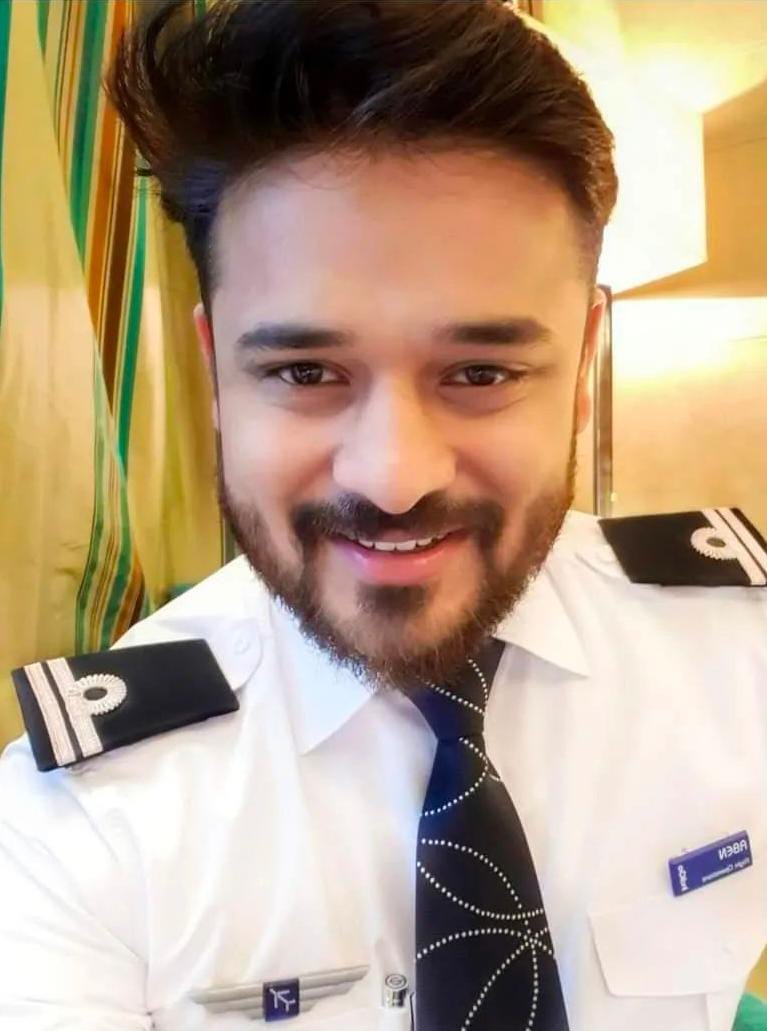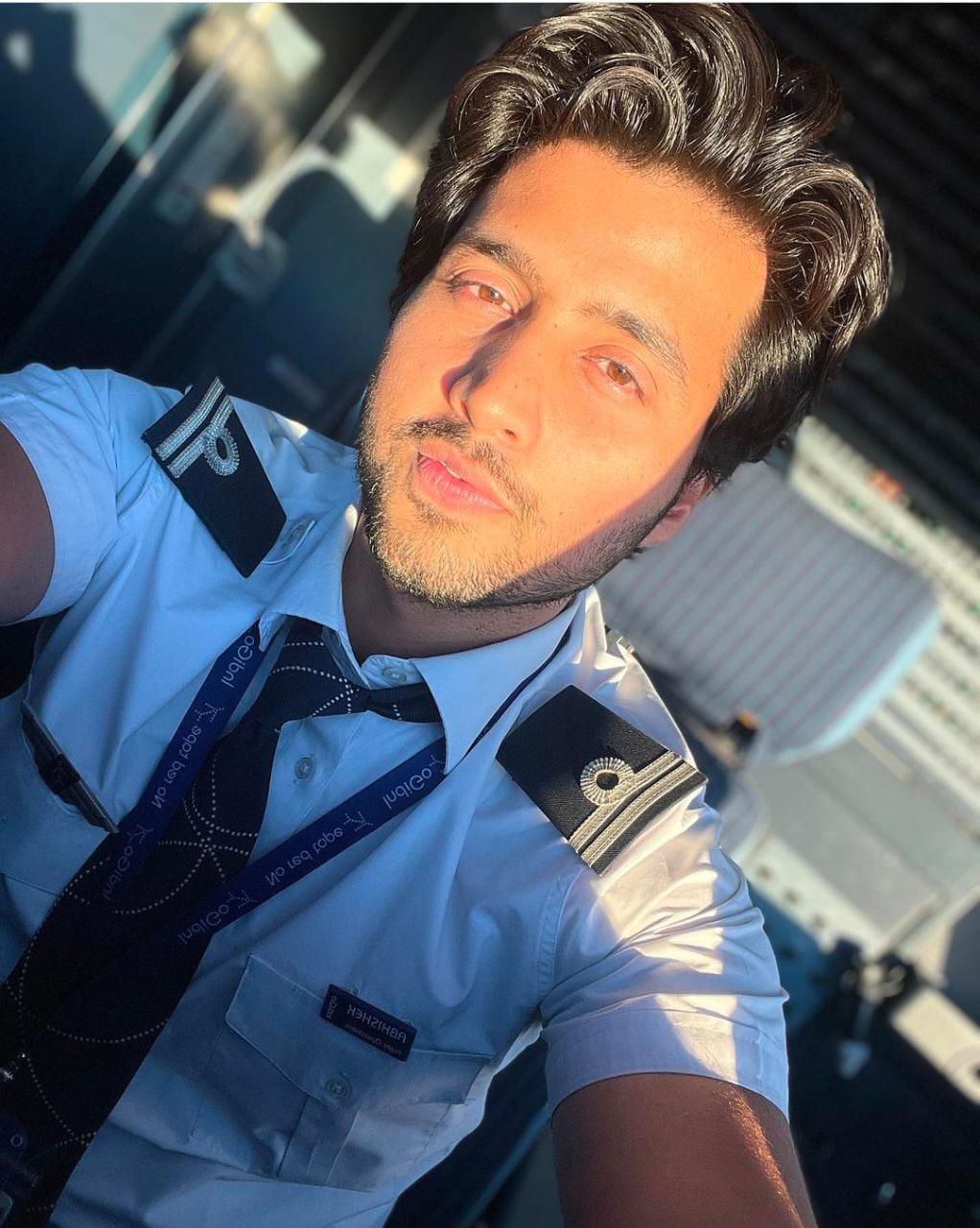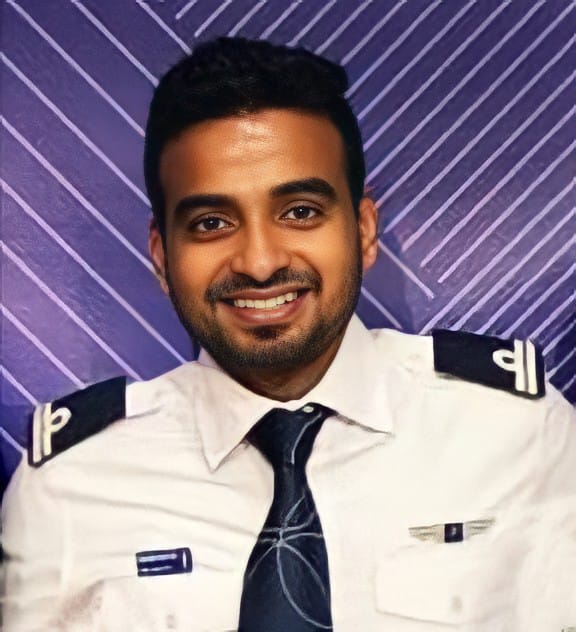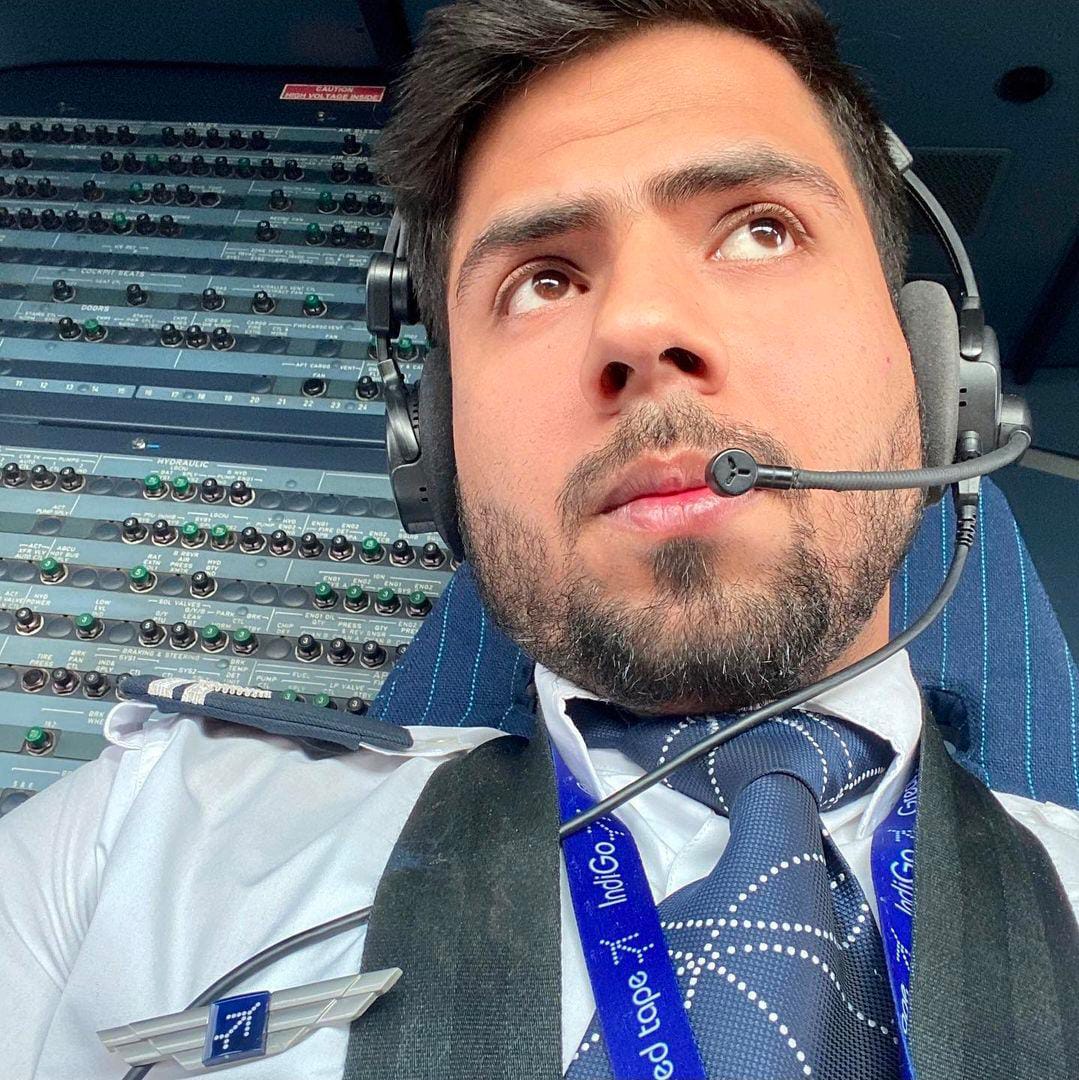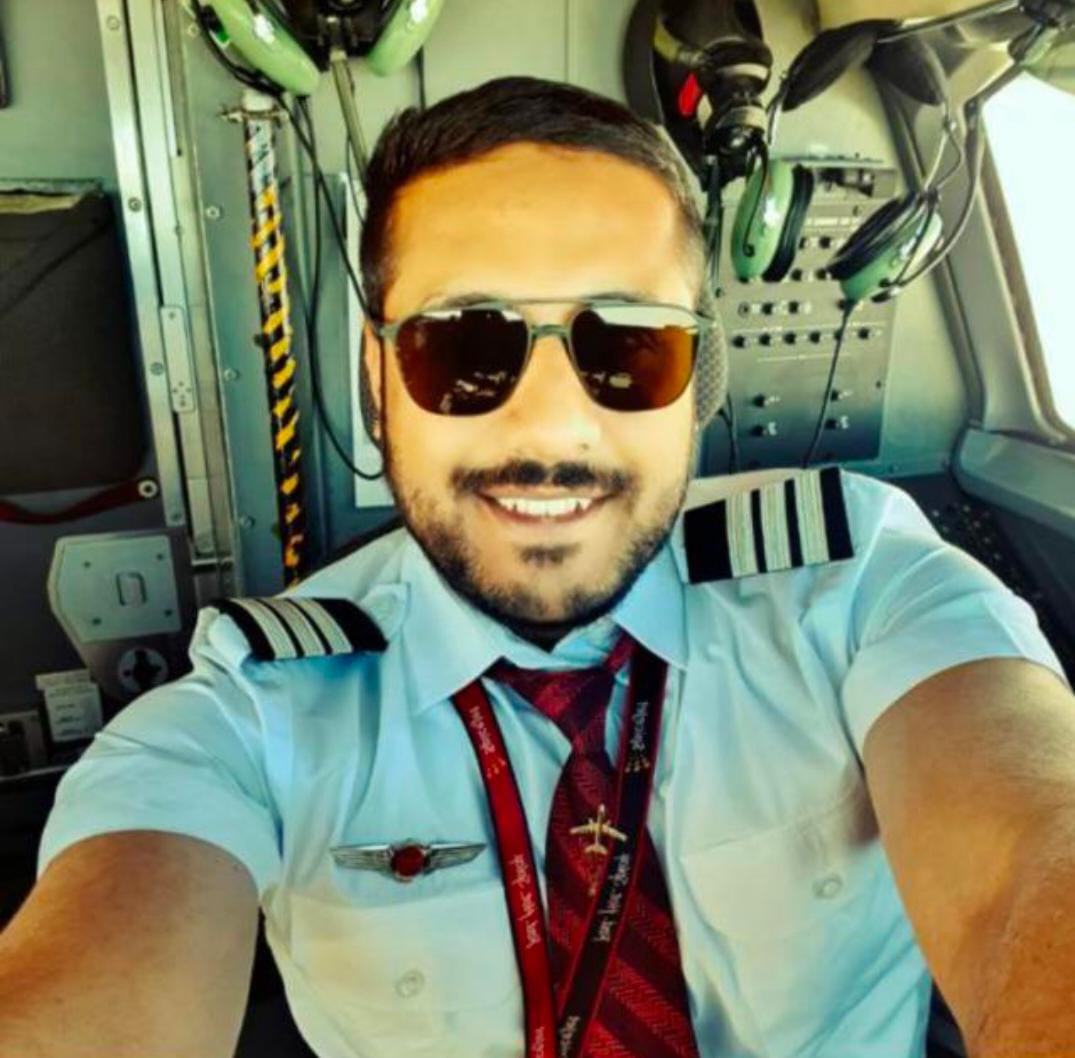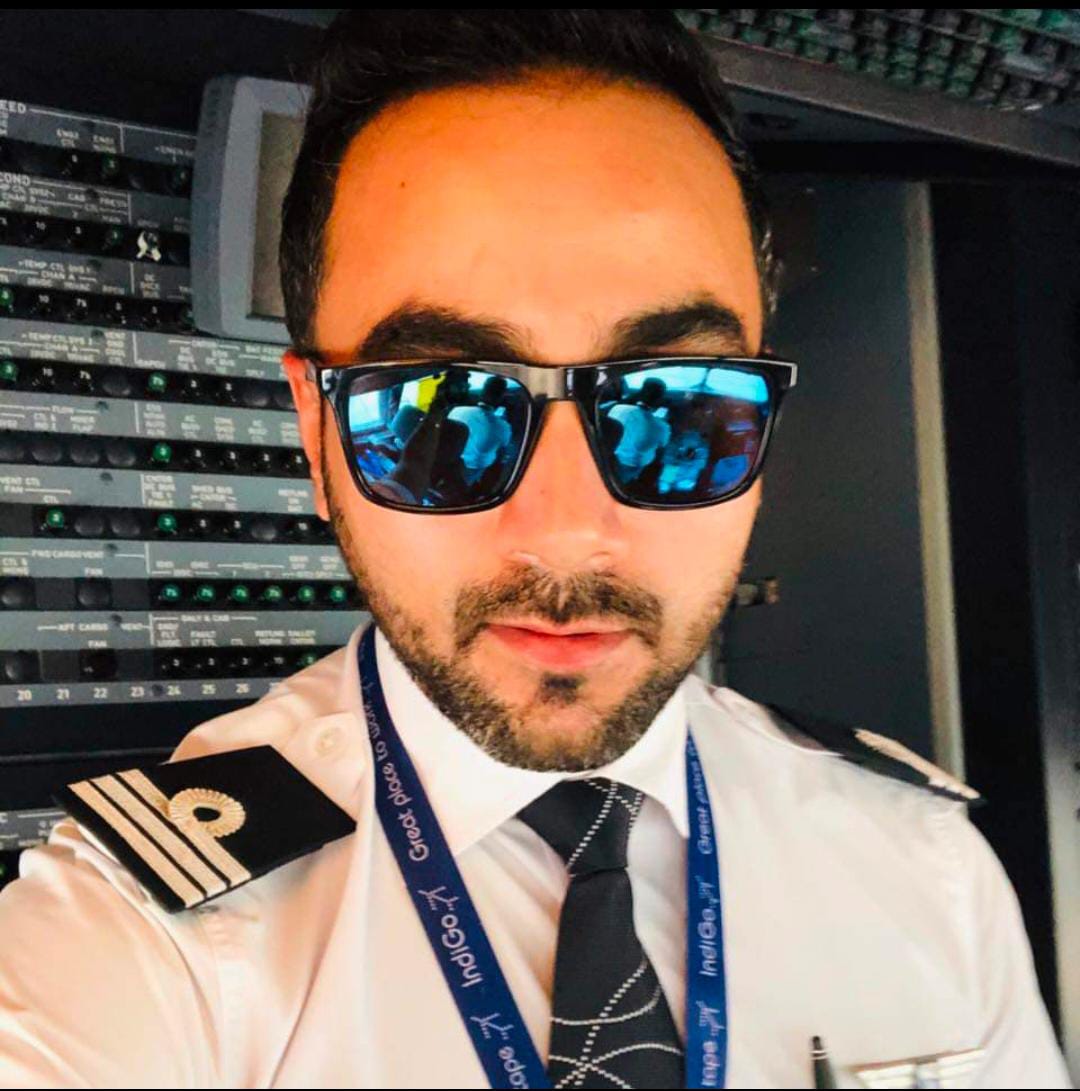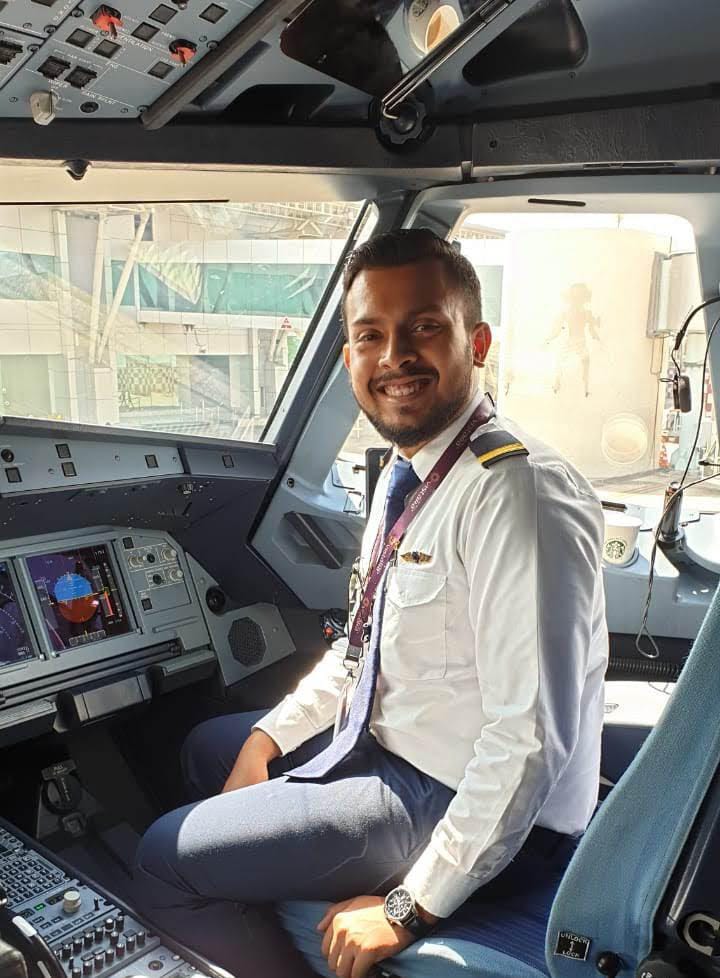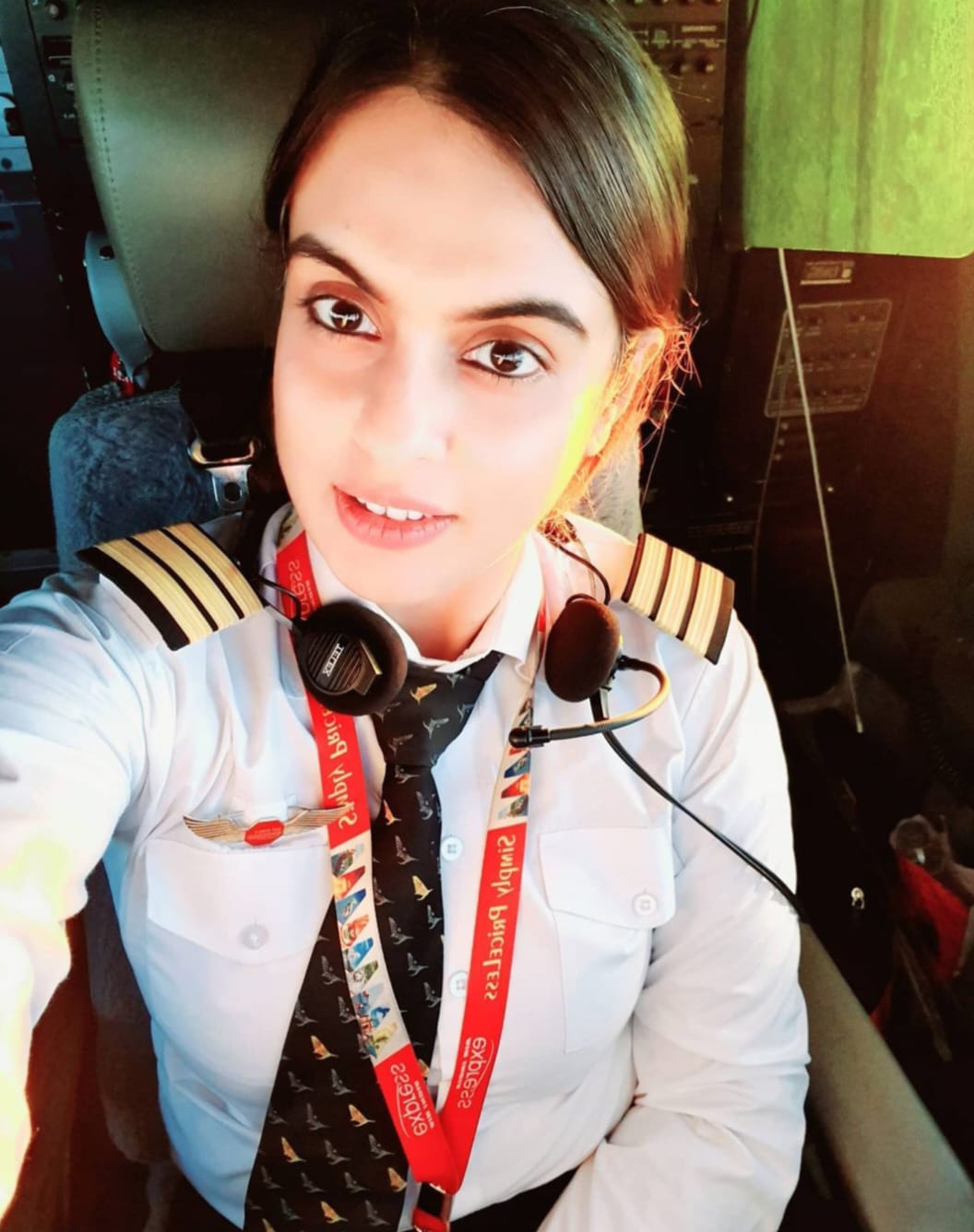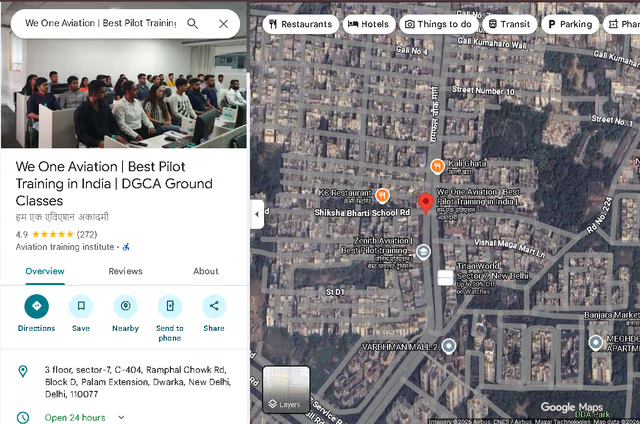
We One Aviation is a pilot training academy focused on assisting aspiring pilots to forge fruitful career paths. Commercial Pilot License Training, international flights training, mentoring and placements assistance

CONTACT US

What is Radio Telephony (RTR)? Importance for Aviation Careers

What is Radio Telephony (RTR)? Importance for Aviation Careers

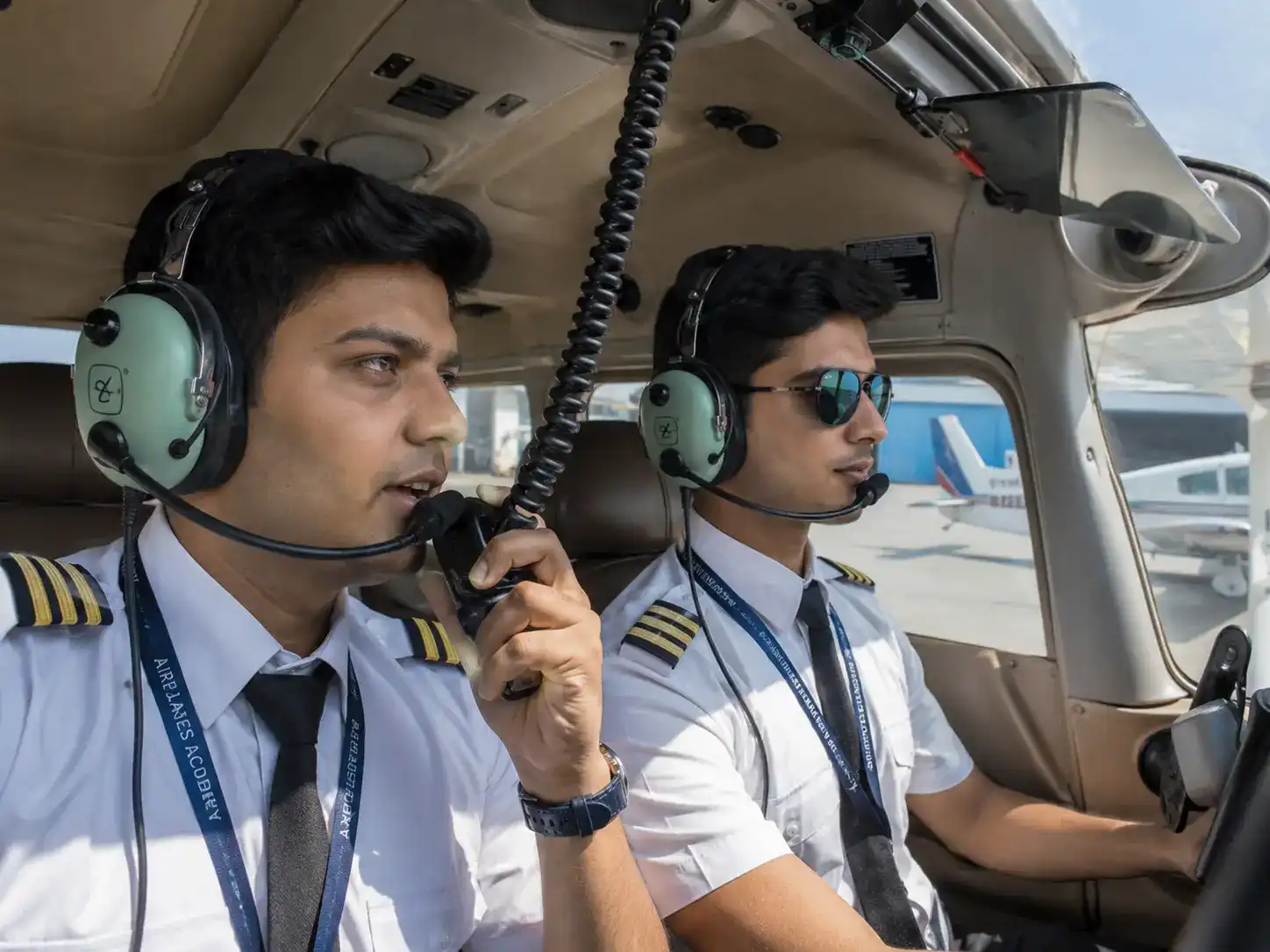
A successful aviation career requires much more than flying skills. Pilots must communicate effectively, clearly, and confidently with Air Traffic Control (ATC) and other aviation personnel. This is where Radio Telephony (RTR) becomes an essential part of pilot training and aviation operations. For aspiring commercial pilots in India, obtaining a Radio Telephony Restricted (RTR) license is a crucial step toward becoming a professional pilot. It demonstrates the ability to communicate using standard aviation phraseology and operate radio communication systems safely and efficiently.

For those aspiring to be a commercial pilot in India, clearing the Radio Telephony Restricted (Aeronautical) (RTR-A) exam is definitely an achievement. The RTR license is essential for pilots who wish to communicate with the Air Traffic Control (ATC) during aircraft operation. It is impossible to practice the privileges of CPL without the RTR license.

We One Aviation provides complete preparation for the RTR exam with our experienced faculties, effective communication, and mock interviews. With the reputation of 6000+ candidates who trust us, we have made 4000+/3000+ successful placements for our students.

In this article, we will explore what Radio Telephony (RTR) is, why it is important, and how it contributes to a successful aviation career.

What is Radio Telephony (RTR)?

Radio Telephony Restricted (RTR) is a certification that authorizes pilots to communicate over aircraft radio systems. It ensures that pilots understand aviation communication procedures and can interact effectively with Air Traffic Controllers during flight operations.

Communication plays a vital role in aviation safety. Pilots use radio telephony to receive instructions, report positions, request clearances, and coordinate with ATC throughout a flight. Since aviation is an international industry, standardized communication procedures help prevent misunderstandings and ensure safe operations.

The RTR license is generally required for pilots pursuing a Commercial Pilot License (CPL) and other advanced aviation qualifications.

Why We One Aviation for RTR Preparation?

Selection of an ideal training center is crucial for your preparation. In We One Aviation, students are provided with systematic training by professional aviation trainers who are experienced in their field.

Some of our features are:

  • Trust of 6000+ students
  • Success in placements of 4000+/3000+
  • Experienced DGCA trainers
  • Communication labs for RTR preparation
  • Mock interviews regularly
  • ATC simulation
  • Latest study material
  • Small batches
  • Personal mentoring of each student
  • High success rate

Our systematic approach of teaching makes it easier for our students to pass the written and viva tests successfully.

Why is RTR Important in Aviation?

1. Ensures Flight Safety

Safety is the foundation of aviation. Clear communication between pilots and air traffic controllers reduces the risk of errors and misunderstandings. Whether a pilot is taking off, landing, changing altitude, or navigating through controlled airspace, radio communication helps maintain safe separation between aircraft and ensures smooth traffic flow.

2. Mandatory Requirement for Commercial Pilots

For aspiring commercial pilots, the RTR license is often a mandatory requirement before obtaining certain aviation certifications and employment opportunities.

Most airlines expect pilots to demonstrate proficiency in radio communication because effective communication is critical in both routine and emergency situations.

3. Builds Professional Communication Skills

Pilots communicate using internationally recognized aviation phraseology. The RTR examination and training process help students learn:

  • Standard aviation terminology
  • Air Traffic Control procedures
  • Emergency communication techniques
  • Radio discipline
  • Flight reporting procedures

These skills are essential throughout a pilot's professional career.

4. Supports International Aviation Standards

Aviation operations involve aircraft flying across countries and continents. Standardized radio communication ensures that pilots and controllers worldwide can communicate effectively regardless of their native language.

RTR training helps pilots adapt to global aviation communication practices and prepares them for international flying opportunities.

What Does an RTR License Cover?

The RTR qualification focuses on various aspects of aviation communication, including:

Radio Communication Procedures

Pilots learn how to transmit and receive messages accurately while maintaining clarity and brevity.

Air Traffic Control Phraseology

Standard phraseology helps eliminate confusion and ensures all aviation personnel understand instructions correctly.

Emergency Communications

Pilots must know how to handle emergencies using proper distress and urgency communication procedures.

Aviation Regulations

Candidates are expected to understand communication-related regulations and operating procedures applicable to aviation operations.

Practical Communication Skills

The examination evaluates real-world communication abilities through simulated aviation scenarios and oral assessments.

RTR Examination Process

The RTR examination typically consists of practical and oral assessments designed to evaluate communication proficiency.

Candidates may be tested on:

  • Radio communication techniques
  • Aviation phraseology
  • Air Traffic Control interactions
  • Emergency communication procedures
  • Aircraft operational communication

The examination assesses whether the candidate can communicate clearly, accurately, and professionally in aviation environments.
Who Needs an RTR License?

An RTR license is particularly important for:

1. Commercial Pilot License (CPL) Students

Students pursuing a CPL generally require RTR certification as part of their aviation career pathway.

2. Airline Pilot Aspirants

Airlines expect pilots to communicate efficiently with ATC and crew members. RTR certification demonstrates this competency.


3. Flight Instructors

Flight instructors frequently communicate with air traffic services while training students and conducting instructional flights.

4. Aviation Professionals

Certain aviation roles involving aircraft communication systems may also require radio telephony qualifications.

5.Tips to Prepare for the RTR Exam

Candidates preparing for the RTR examination should focus on:

  • Understanding aviation phraseology
  • Practicing ATC communication scenarios
  • Listening to real aviation communications
  • Studying aviation regulations
  • Improving spoken English proficiency
  • Participating in mock radio communication exercises

Consistent practice significantly improves communication confidence and examination performance.

Career Importance of RTR for Future Pilots

In today's highly regulated aviation industry, communication skills are just as important as flying skills. Airlines seek pilots who can communicate clearly, follow procedures accurately, and maintain professionalism under pressure.

RTR certification demonstrates a pilot's readiness to operate in real aviation environments and serves as a critical milestone in the journey toward becoming a commercial airline pilot. It is not merely an examination requirement but a practical skill that pilots use every day throughout their careers.

Conclusion

Radio Telephony (RTR) is a fundamental component of aviation training and professional pilot development. It equips pilots with the communication skills necessary to interact safely and effectively with Air Traffic Control and other aviation personnel.

For aspiring commercial pilots, obtaining an RTR license is a significant step toward achieving aviation career goals. It enhances safety, supports regulatory compliance, improves professional communication skills, and increases career opportunities within the aviation industry.

As aviation continues to grow globally, strong communication abilities will remain one of the most valuable assets for every successful pilot.

FAQs

1. What is the full form of RTR in aviation?
RTR stands for Radio Telephony Restricted, a certification that allows pilots to communicate using aircraft radio systems.

2. Is RTR mandatory for Commercial Pilot License (CPL) holders?
Yes, RTR is generally an important requirement for aspiring commercial pilots and airline career pathways.

3. What subjects are covered in the RTR exam?
The exam typically covers aviation phraseology, radio communication procedures, ATC interactions, aviation regulations, and emergency communication techniques.

4. How can I prepare for the RTR examination?
You can prepare by studying aviation communication procedures, practicing standard phraseology, participating in mock communication sessions, and improving spoken English skills.

5. Why is RTR important for aviation careers?
RTR helps pilots communicate effectively with Air Traffic Control, enhances flight safety, meets regulatory requirements, and improves career opportunities in the aviation industry.

Our Network

Training Partners For

Elite aviation partners ensuring world-class training standards for our students in India.

Course Flow

01

Master the Fundamentals of Flying

Begin your journey with DGCA-approved theory training, covering essential subjects such as Air Regulations, Meteorology, Air Navigation, and Technical General to build a strong foundation for a successful aviation career. ✈️

02

Student Pilot Licence (SPL)

Learn aviation basics, aircraft familiarization, and air regulations, followed by an oral assessment to qualify for your first solo flight. ✈️

03

First Solo Flight Experience

Take to the skies independently under supervision, practicing take-offs, landings, circuits, and basic manoeuvres to build confidence and flying skills. 🛫

04

Flight Hours & Skill Development

Accumulate required flight hours through cross-country navigation, instrument flying, and advanced exercises to strengthen decision-making and flight proficiency. 🌍

05

Multi-Engine & Instrument Rating

Gain advanced training in multi-engine aircraft and instrument flying, preparing you for airline standards and professional aviation careers. ✈️🚀