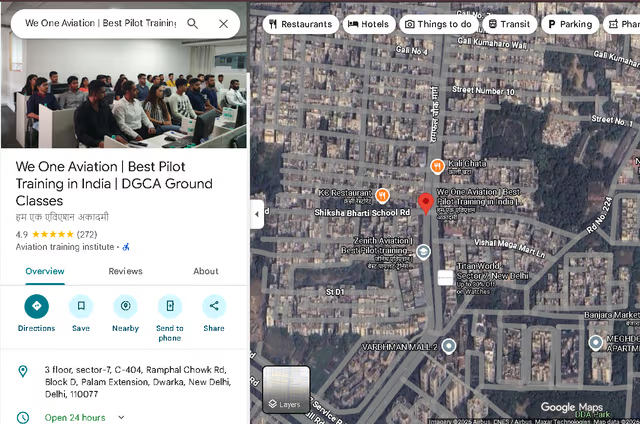
We One Aviation is a pilot training academy focused on assisting aspiring pilots to forge fruitful career paths. Commercial Pilot License Training, international flights training, mentoring and placements assistance

CONTACT US

Trusted Aircraft Inspection Services for Preventive Maintenance

Trusted Aircraft Inspection Services for Preventive Maintenance

Trusted Aircraft Inspection Services play a critical role in identifying potential issues before they become major problems. By conducting detailed inspections and assessments, aviation organizations can reduce operational risks, minimize downtime, and extend the lifespan of their aircraft. Preventive maintenance supported by professional inspection services is essential for maintaining airworthiness and ensuring smooth flight operations.

What Are Aircraft Inspection Services?

Aircraft Inspection Services involve a systematic examination of an aircraft's structure, systems, components, and documentation to verify that it meets safety, maintenance, and regulatory requirements.

These inspections are performed by qualified aviation professionals who evaluate various aspects of the aircraft, including:

  • Airframe condition
  • Engine performance
  • Landing gear systems
  • Electrical systems
  • Flight controls
  • Fuel systems
  • Hydraulic systems
  • Avionics equipment
  • Safety equipment
  • Maintenance records

The purpose of these inspections is to identify wear, damage, defects, or compliance issues that could affect the aircraft's safety and performance.

Understanding Preventive Maintenance

Preventive maintenance is a proactive approach that focuses on detecting and correcting potential issues before they lead to equipment failure or operational disruptions. Instead of waiting for a problem to occur, preventive maintenance helps maintain aircraft reliability through scheduled inspections and maintenance activities.

Regular inspections allow maintenance teams to address minor issues early, reducing the risk of costly repairs and unexpected aircraft downtime.

Preventive maintenance is a key component of aviation safety management and is required by aviation authorities worldwide.

Importance of Aircraft Inspection Services

Enhancing Flight Safety

Safety is the primary reason for conducting regular aircraft inspections. Thorough inspections help identify structural weaknesses, component wear, and system malfunctions before they pose a safety risk.

Ensuring Regulatory Compliance

Aviation authorities require aircraft operators to comply with strict maintenance and inspection standards. Professional inspection services help ensure compliance with all applicable regulations and airworthiness requirements.

Reducing Maintenance Costs

Detecting issues early can significantly reduce repair costs. Small maintenance concerns are generally easier and less expensive to fix than major component failures.

Improving Aircraft Reliability

Well-maintained aircraft experience fewer unexpected breakdowns and operational disruptions. This improves schedule reliability and overall fleet performance.

Extending Aircraft Lifespan

Routine inspections and preventive maintenance help preserve aircraft components, reducing long-term wear and extending the operational life of the aircraft.

Types of Aircraft Inspections

Pre-Flight Inspections: Conducted before every flight, these inspections ensure that the aircraft is safe and ready for operation.

Routine Maintenance Inspections: Performed at scheduled intervals, routine inspections focus on monitoring the condition of critical systems and components.

Annual Inspections: omprehensive annual inspections assess the overall condition and airworthiness of the aircraft.

Structural Inspections: These inspections evaluate the aircraft's structure for signs of corrosion, cracks, fatigue, or damage.

Engine Inspections: Engine inspections focus on performance, wear, and operational efficiency to prevent mechanical failures.

Special Inspections: Special inspections may be required following incidents, severe weather exposure, modifications, or regulatory directives.

Key Benefits of Professional Aircraft Inspection Services

Early Problem Detection

Professional inspectors can identify hidden defects and maintenance concerns before they develop into serious issues.

Increased Operational Efficiency

Aircraft that undergo regular inspections typically experience fewer delays, cancellations, and maintenance-related disruptions.

Better Risk Management

Inspection services help organizations identify and mitigate operational risks, contributing to safer flight operations.

Accurate Maintenance Planning

Inspection findings provide valuable data for maintenance scheduling and resource allocation.

Stronger Regulatory Standing

Maintaining detailed inspection records demonstrates compliance and readiness for regulatory audits and evaluations.

Why Choose Trusted Aircraft Inspection Services?

Experienced inspection professionals bring technical expertise, regulatory knowledge, and industry best practices to every assessment. Their independent evaluations provide aircraft owners and operators with accurate information about aircraft condition and maintenance needs.

Trusted inspection services use advanced diagnostic techniques and detailed reporting processes to ensure that every aspect of the aircraft is thoroughly assessed. This enables operators to make informed maintenance decisions while maintaining the highest safety standards.

Conclusion

Trusted Aircraft Inspection Services  are an essential part of preventive maintenance programs in modern aviation. Through regular inspections, aviation organizations can identify potential problems early, improve operational efficiency, maintain regulatory compliance, and enhance overall safety.

Whether operating a private aircraft, commercial airline, charter service, or aviation fleet, investing in professional inspection services helps protect valuable assets and ensures reliable flight operations. Preventive maintenance supported by expert inspections is not only a regulatory requirement but also a strategic investment in long-term aviation success.

Frequently Asked Questions (FAQs)

1. What is the purpose of aircraft inspection services?

Aircraft inspection services help identify maintenance issues, ensure airworthiness, maintain regulatory compliance, and improve overall aircraft safety and reliability.

2. How often should aircraft inspections be performed?

Inspection frequency depends on aircraft type, operating conditions, manufacturer recommendations, and regulatory requirements. Some inspections occur before every flight, while others are scheduled periodically.

3. What is preventive maintenance in aviation?

Preventive maintenance involves regularly scheduled inspections and servicing activities designed to identify and address potential problems before they lead to equipment failure.

4. Can aircraft inspections reduce maintenance costs?

Yes. Early detection of wear, damage, or system issues helps prevent expensive repairs and minimizes unexpected downtime.

5. Who performs aircraft inspections?

Aircraft inspections are conducted by certified aircraft maintenance engineers, licensed inspectors, or qualified aviation maintenance professionals who meet regulatory standards.