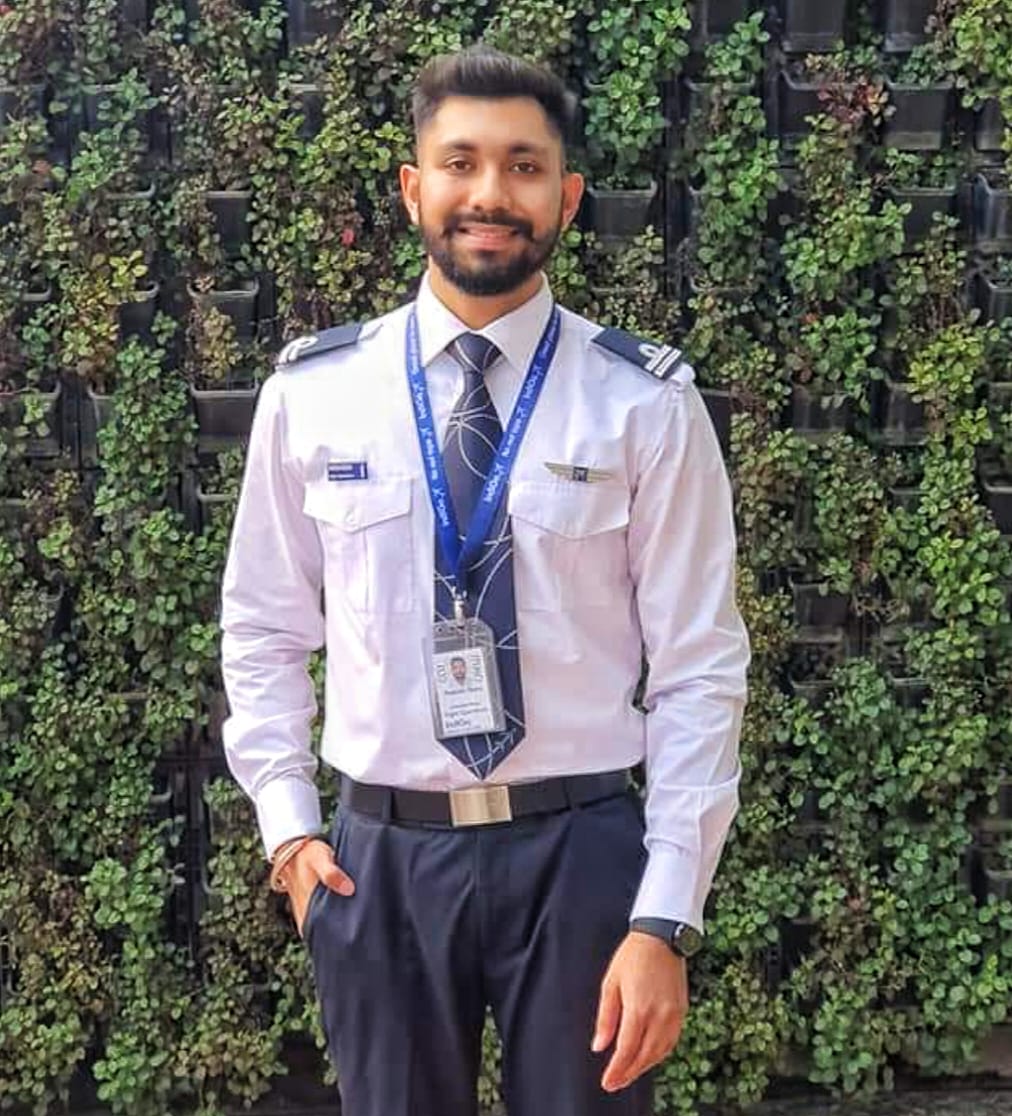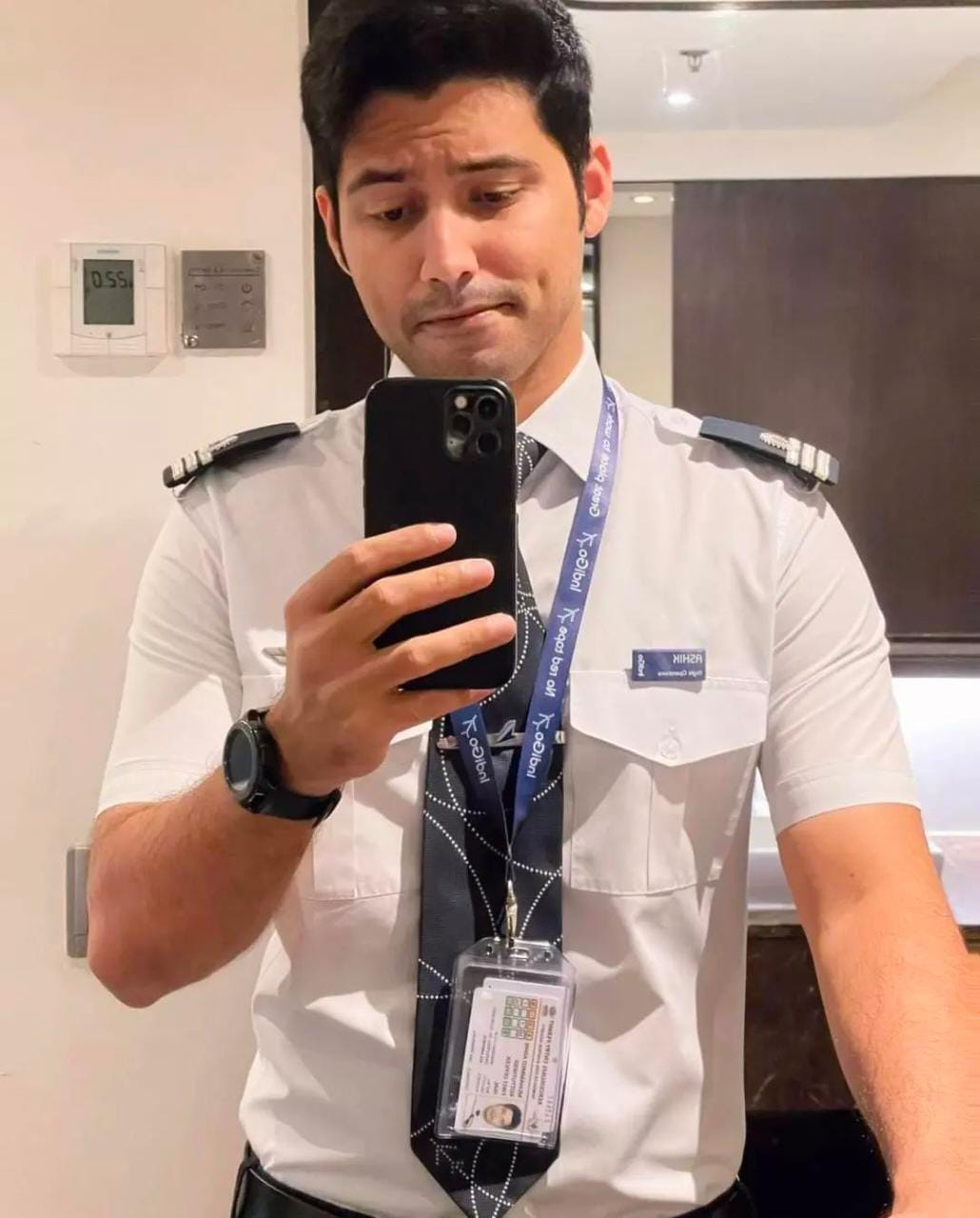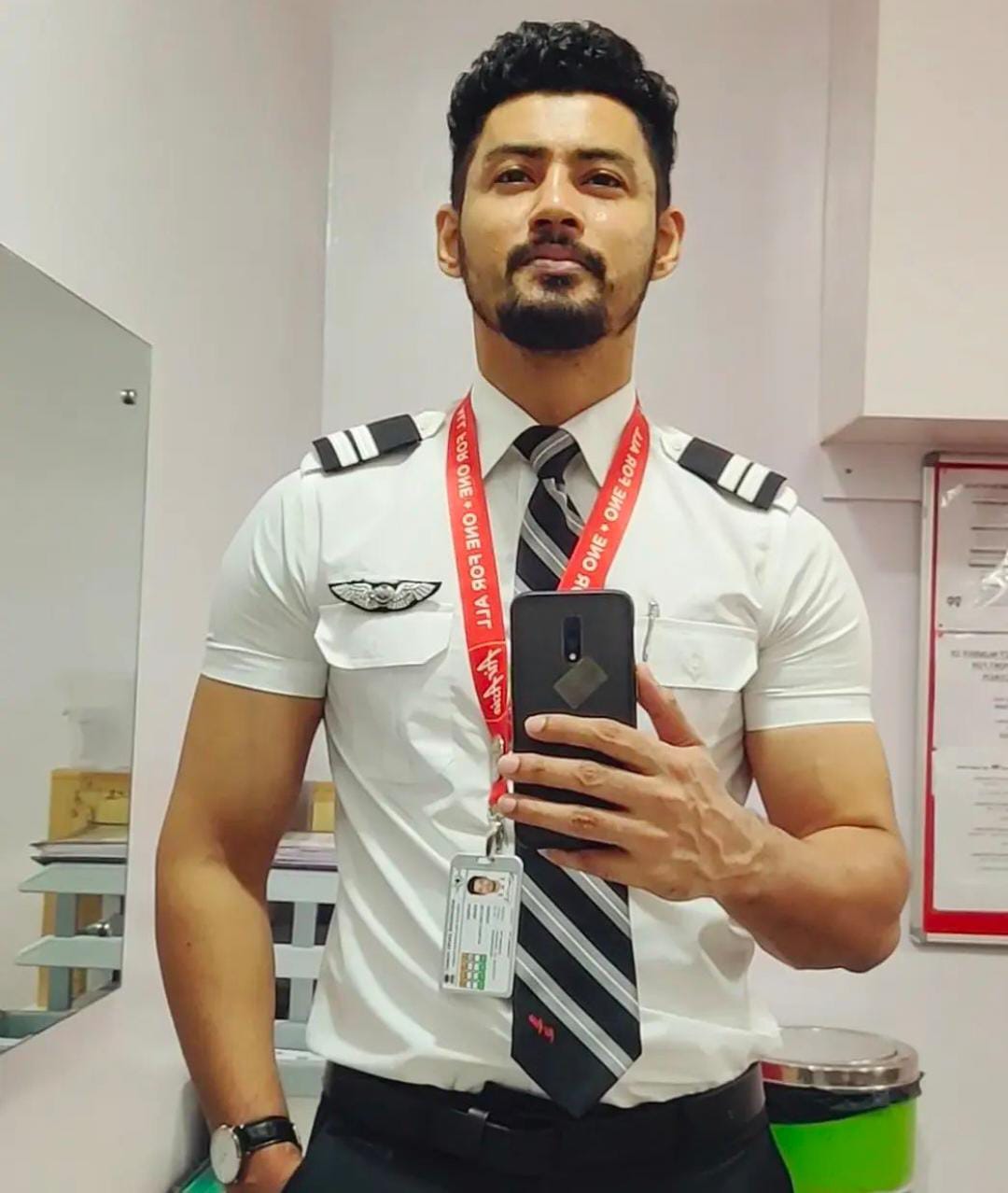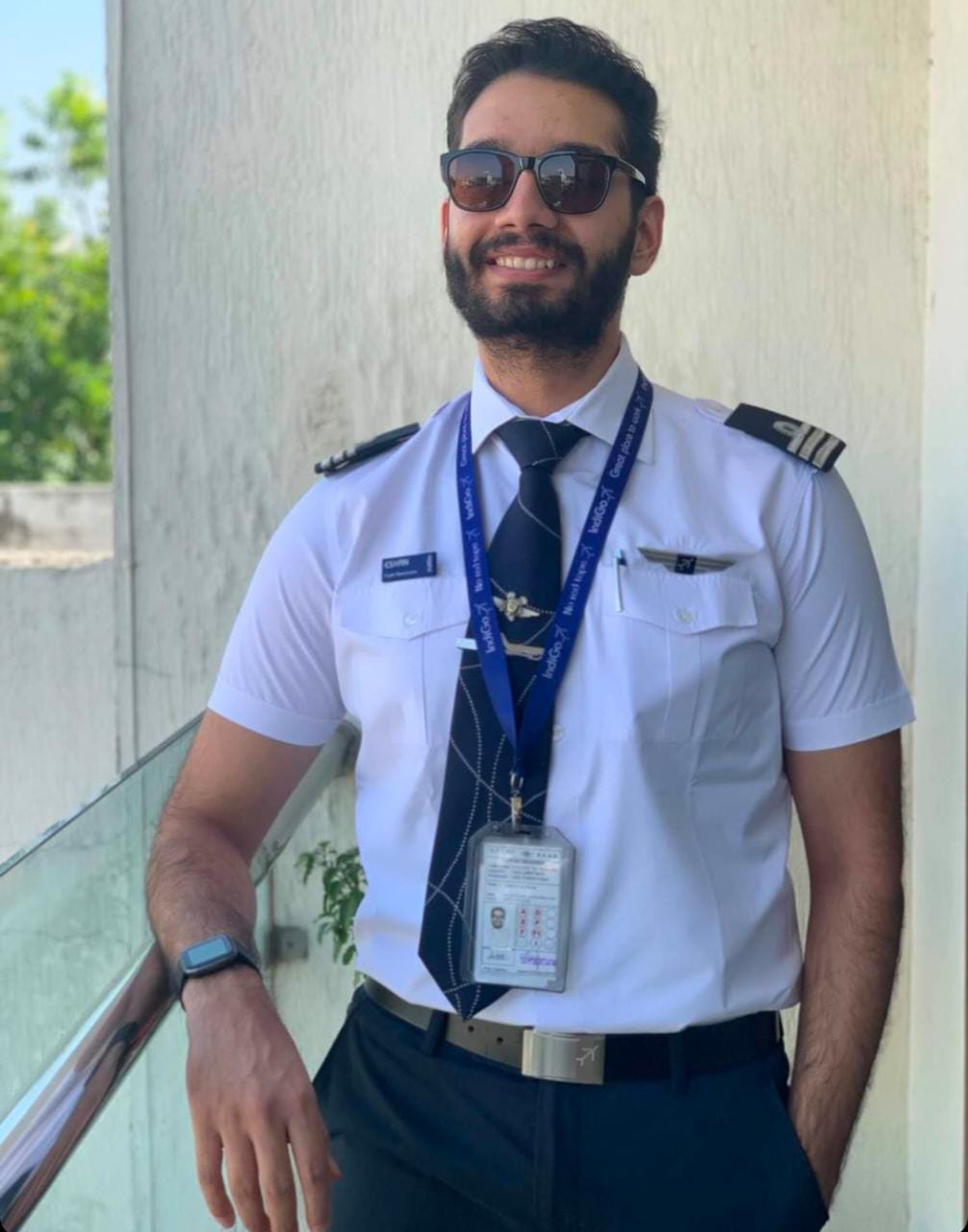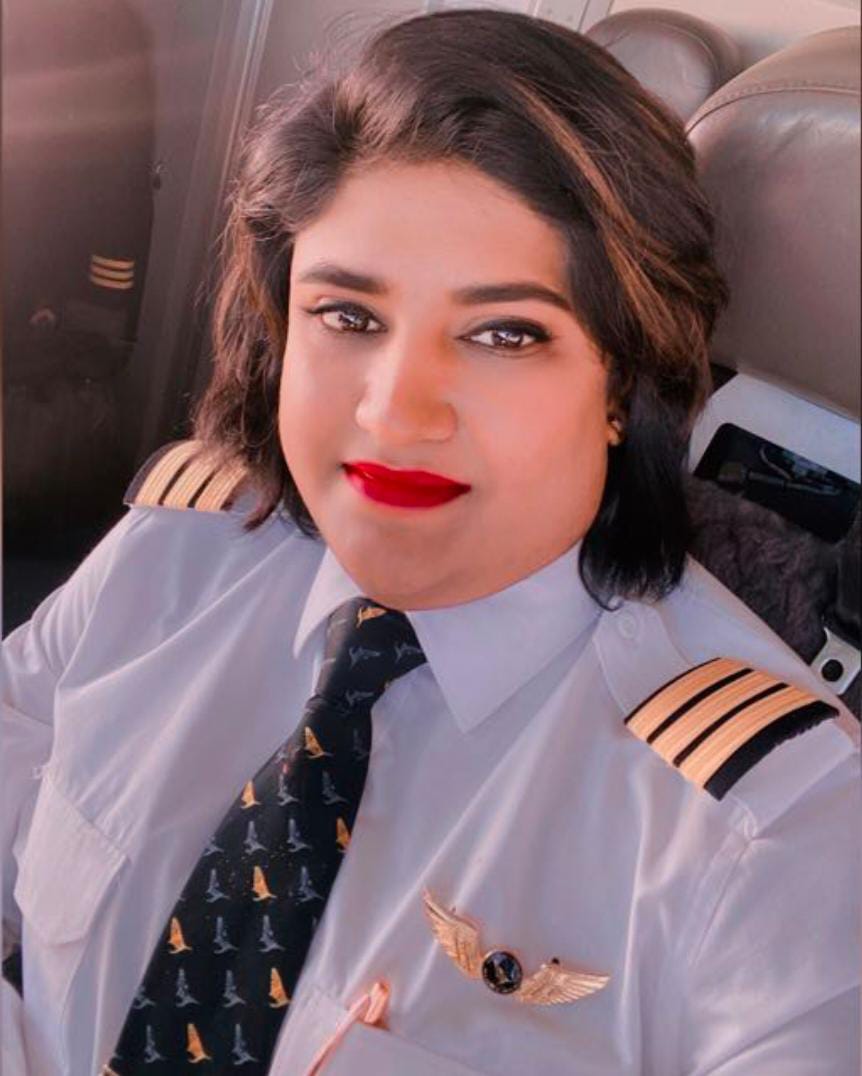
We One Aviation is a pilot training academy focused on assisting aspiring pilots to forge fruitful career paths. Commercial Pilot License Training, international flights training, mentoring and placements assistance

CONTACT US

Essential DGCA Documents Required for Commercial Pilot License Applications

Essential DGCA Documents Required for Commercial Pilot License Applications

A Commercial Pilot License (CPL) is one of the most important certifications for individuals who dream of becoming professional pilots. In India, the Directorate General of Civil Aviation (DGCA) regulates pilot licensing and ensures that all candidates meet the required standards before receiving their CPL. While flight training and examinations are crucial parts of the process, proper documentation is equally important.

Many aspiring pilots face delays in obtaining their licenses because of incomplete paperwork, missing certificates, or incorrect documentation. Understanding the required documents in advance can help streamline the application process and ensure a smooth transition from student pilot to commercial pilot.

In this article, we will discuss the essential DGCA documents required for Commercial Pilot License applications and explain their importance in the licensing process.

Why is Documentation Important for CPL Applications?

DGCA documentation serves as proof that a candidate has successfully completed all required educational, medical, theoretical, and practical training requirements. These documents help aviation authorities verify the applicant's eligibility for a Commercial Pilot License.

Proper documentation helps:

  • Verify identity and qualifications
  • Confirm flight training completion
  • Validate medical fitness
  • Record examination performance
  • Ensure compliance with aviation regulations

Maintaining organized and accurate records throughout your training journey can significantly reduce delays during the licensing process.

Educational Qualification Documents

Class 10 Certificate
The Class 10 certificate is generally required as proof of date of birth and educational background. Candidates should ensure that all personal details match other official documents.

Class 12 Certificate and Marksheet
To pursue a Commercial Pilot License in India, candidates are typically required to have completed 10+2 with Physics and Mathematics from a recognized board. The Class 12 marksheet and certificate are important documents used to verify educational eligibility.

Students who completed their education through alternative systems may need equivalent qualification certificates as applicable.

Passport: A valid passport is one of the most important documents for aspiring pilots. Many aviation procedures, international training opportunities, airline recruitment programs, and licensing processes require a valid passport.

Before applying for CPL-related procedures, candidates should ensure that:

  • The passport is valid.
  • Personal information is correct.
  • The passport has sufficient validity remaining.

Government-Issued Identity Proof

Candidates may be required to submit valid identity documents for verification purposes.

Common identity documents include:

  • Aadhaar Card
  • PAN Card
  • Passport
  • Voter ID Card

The information on these documents should match the details provided during training and licensing applications.

DGCA Computer Number

The DGCA Computer Number is a unique identification number issued to pilot candidates.

This number is essential because it is used for:

  • DGCA examination registration
  • Examination result tracking
  • Pilot record management
  • Licensing procedures

Every aspiring commercial pilot must obtain a DGCA Computer Number before appearing for DGCA theory examinations.

DGCA Medical Certificates

Medical fitness is one of the most critical requirements for professional pilots.

Class 2 Medical Certificate
Most students begin their aviation journey by obtaining a Class 2 Medical Certificate. This initial medical assessment helps determine whether the candidate meets basic aviation health standards.

Class 1 Medical Certificate
For Commercial Pilot License issuance, a valid Class 1 Medical Certificate is required.

This comprehensive medical examination evaluates:

  • Vision
  • Hearing
  • Cardiovascular health
  • General physical fitness
  • Mental fitness

Maintaining valid medical certification is essential throughout a pilot's professional career.

Flight Training Documentation

Pilot Logbook: The pilot logbook is one of the most important records in aviation training.

The logbook contains details of:

  • Flight hours
  • Aircraft types flown
  • Training exercises completed
  • Solo flights
  • Cross-country flights
  • Instructor endorsements

DGCA uses the logbook to verify that candidates have completed the required flight experience for CPL eligibility.

Flight Training Completion Certificate

Upon successful completion of training, the flying school issues a training completion certificate.

This document confirms that the candidate has completed the prescribed training program and fulfilled the required flight training standards.

DGCA Theory Examination Results

Commercial Pilot License applicants must successfully pass DGCA theory examinations.

Important subjects may include:

  • Air Navigation
  • Meteorology
  • Air Regulations
  • Technical General
  • Technical Specific

Candidates should maintain copies of examination results and supporting records as part of their licensing documentation.

Radio Telephony Restricted (RTR) Certificate

Communication is a vital aspect of aviation safety. The Radio Telephony Restricted (RTR) qualification demonstrates a pilot's ability to communicate effectively with Air Traffic Control using standard aviation phraseology. RTR certification is an important requirement for aspiring commercial pilots and may be required during CPL documentation procedures.

Skill Test Documentation: Before obtaining a Commercial Pilot License, candidates must demonstrate practical flying competence through skill assessments.

Relevant documents may include:

  • Skill test reports
  • Flight check records
  • Examiner recommendations
  • Practical assessment documentation

These records confirm that the candidate possesses the operational skills required for commercial aviation.

Passport-Sized Photographs: Recent passport-sized photographs are commonly required during various stages of licensing and verification.

Candidates should ensure that photographs meet current specifications and quality standards.

Address Proof: Applicants may also need to provide proof of residence.

Acceptable documents may include:

  • Aadhaar Card
  • Passport
  • Utility bills
  • Other approved address verification documents

Accurate address information helps maintain proper licensing records.

Tips for Managing DGCA Documentation

Keep Digital and Physical Copies: Always maintain backup copies of all important documents.

Verify Information Carefully: Ensure names, dates of birth, and identification details are consistent across all records.

Organize Documents Early: Preparing documents well before CPL application submission can prevent unnecessary delays.

Monitor Expiry Dates

Track the validity of:

  • Passports
  • Medical certificates
  • Identity documents

Timely renewals help avoid interruptions in the licensing process.
Common Documentation Mistakes to Avoid

Many CPL applications face delays because of:

  • Missing documents
  • Incorrect personal details
  • Expired medical certificates
  • Incomplete flight records
  • Poor-quality document scans
  • Inconsistent information across records

Careful preparation and organization can help avoid these common issues.

Conclusion

Obtaining a Commercial Pilot License in India requires more than just flight training and examinations. Proper documentation is an essential part of the licensing process and plays a crucial role in verifying eligibility, training completion, medical fitness, and examination success.

By understanding the essential DGCA documents required for CPL applications and preparing them in advance, aspiring pilots can enjoy a smoother licensing experience. Organized documentation not only helps avoid delays but also supports a successful transition into a professional aviation career.

For future commercial pilots, maintaining accurate records from the beginning of training is one of the smartest investments in a successful aviation journey.

FAQs

1. What is the most important document required for a CPL application?
A pilot logbook, Class 1 Medical Certificate, DGCA Computer Number, and educational certificates are among the most important documents.
2. Is a passport mandatory for obtaining a CPL in India?
Yes, a valid passport is generally required for pilot licensing and aviation-related procedures.

3. Why is the DGCA Computer Number important?
It serves as a unique identification number used for examinations, licensing records, and pilot documentation.

4. What medical certificate is required for a Commercial Pilot License?
A valid Class 1 Medical Certificate is required for CPL issuance.

5. How can I avoid delays in my CPL application?
Maintain organized records, verify all personal details, keep documents updated, and ensure all required paperwork is complete before submission.

Our Network

Training Partners For

Elite aviation partners ensuring world-class training standards for our students in India.

Course Flow

01

Master the Fundamentals of Flying

Begin your journey with DGCA-approved theory training, covering essential subjects such as Air Regulations, Meteorology, Air Navigation, and Technical General to build a strong foundation for a successful aviation career. ✈️

02

Student Pilot Licence (SPL)

Learn aviation basics, aircraft familiarization, and air regulations, followed by an oral assessment to qualify for your first solo flight. ✈️

03

First Solo Flight Experience

Take to the skies independently under supervision, practicing take-offs, landings, circuits, and basic manoeuvres to build confidence and flying skills. 🛫

04

Flight Hours & Skill Development

Accumulate required flight hours through cross-country navigation, instrument flying, and advanced exercises to strengthen decision-making and flight proficiency. 🌍

05

Multi-Engine & Instrument Rating

Gain advanced training in multi-engine aircraft and instrument flying, preparing you for airline standards and professional aviation careers. ✈️🚀