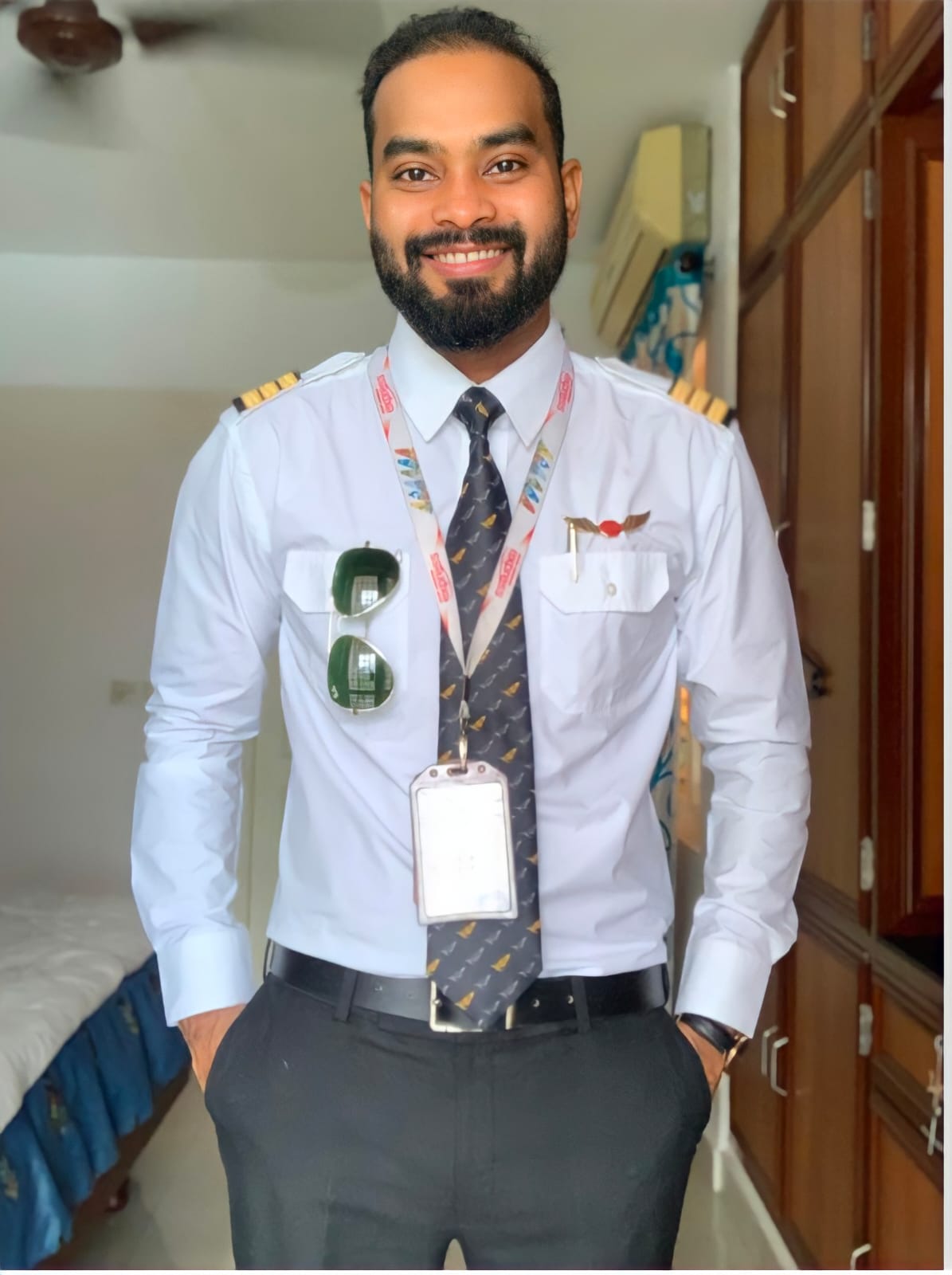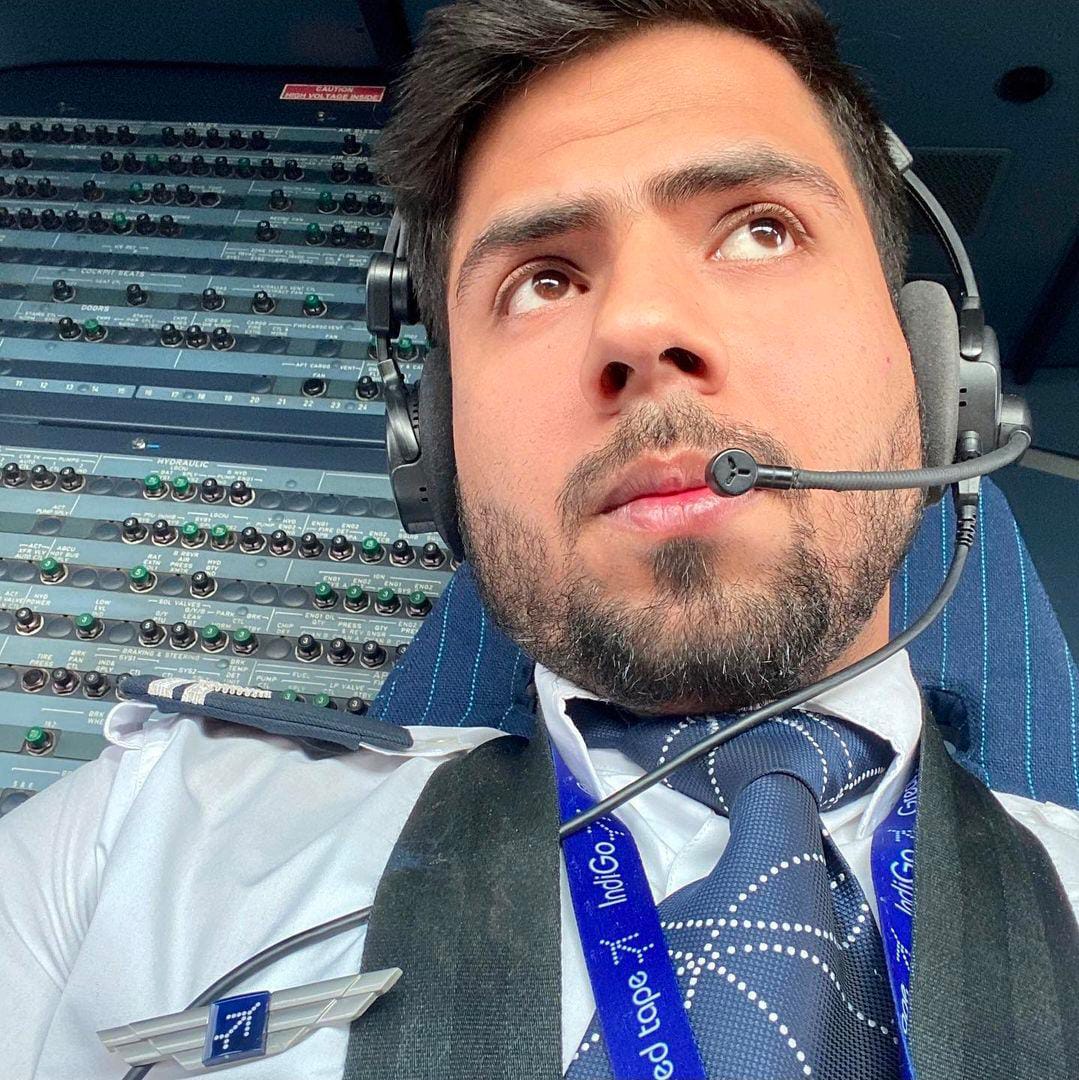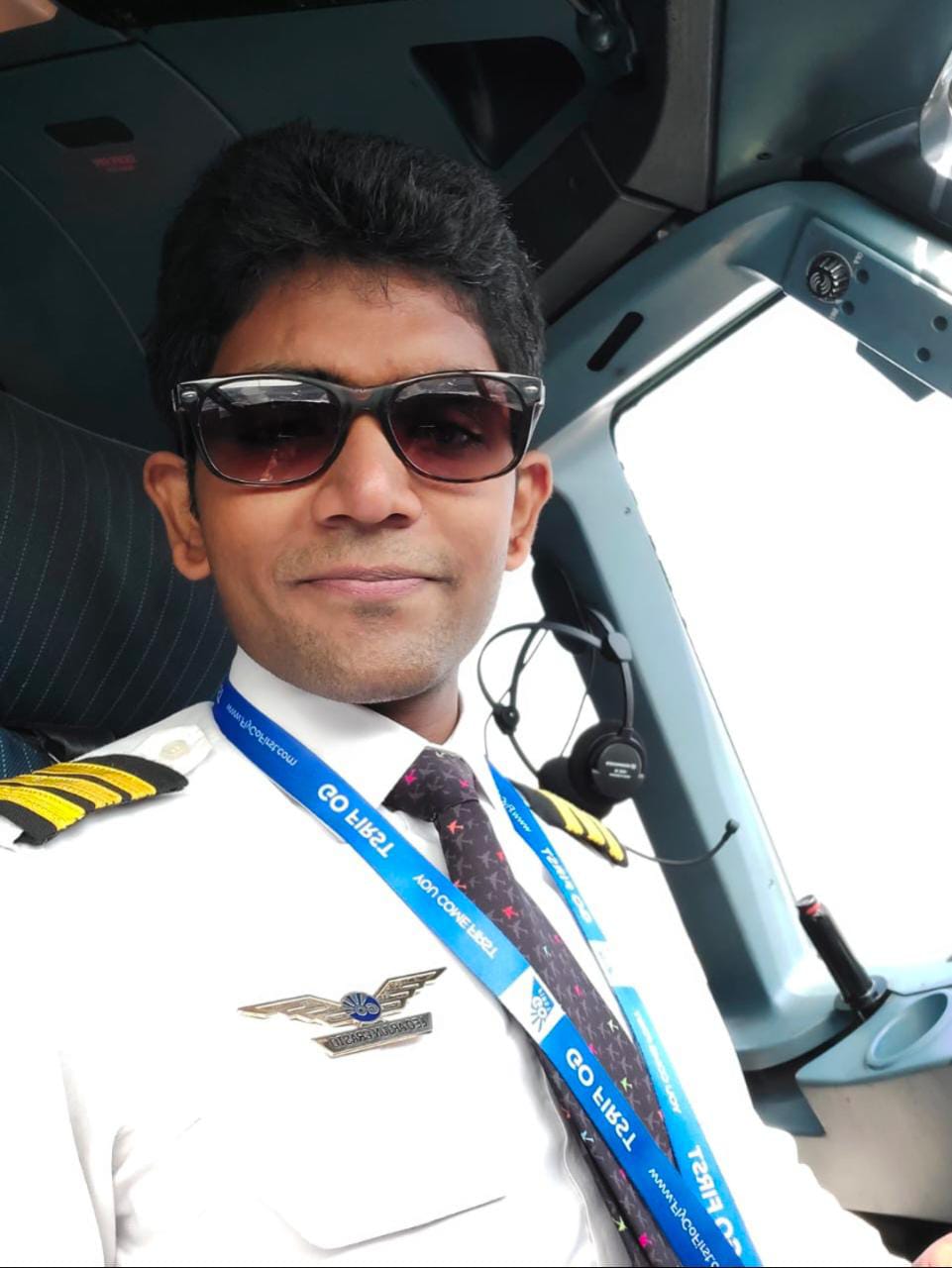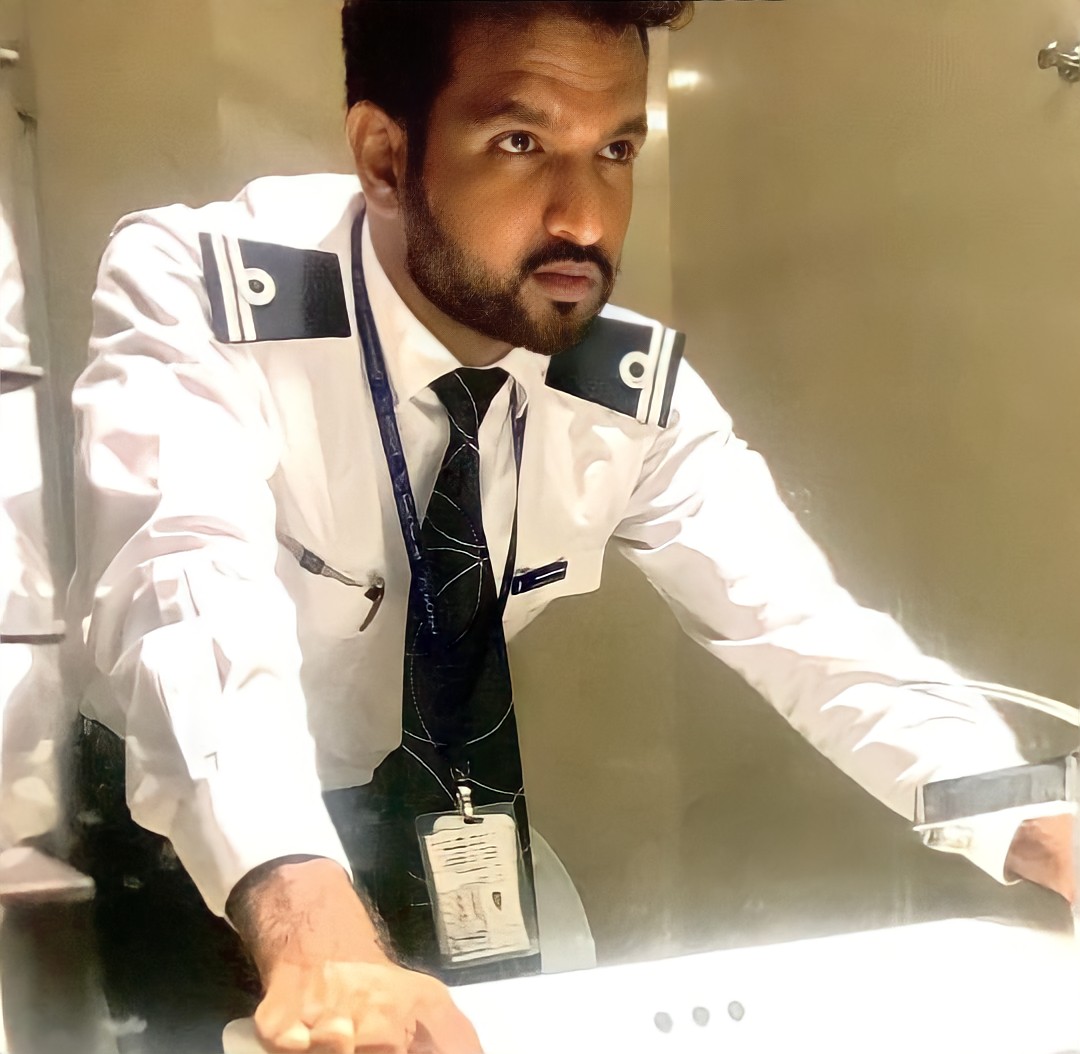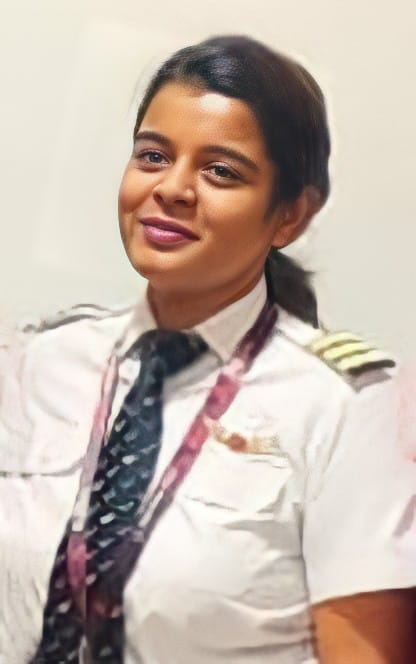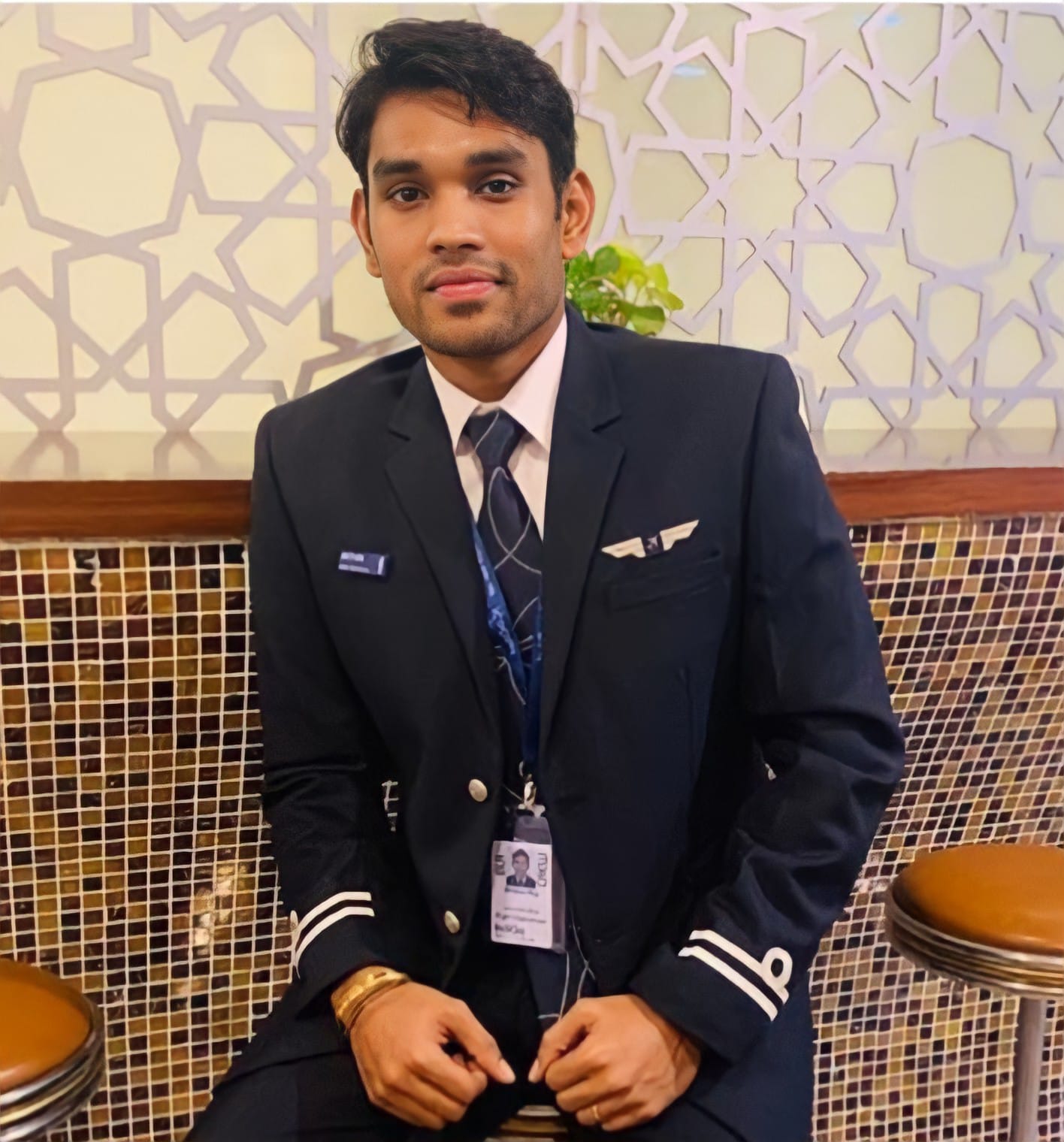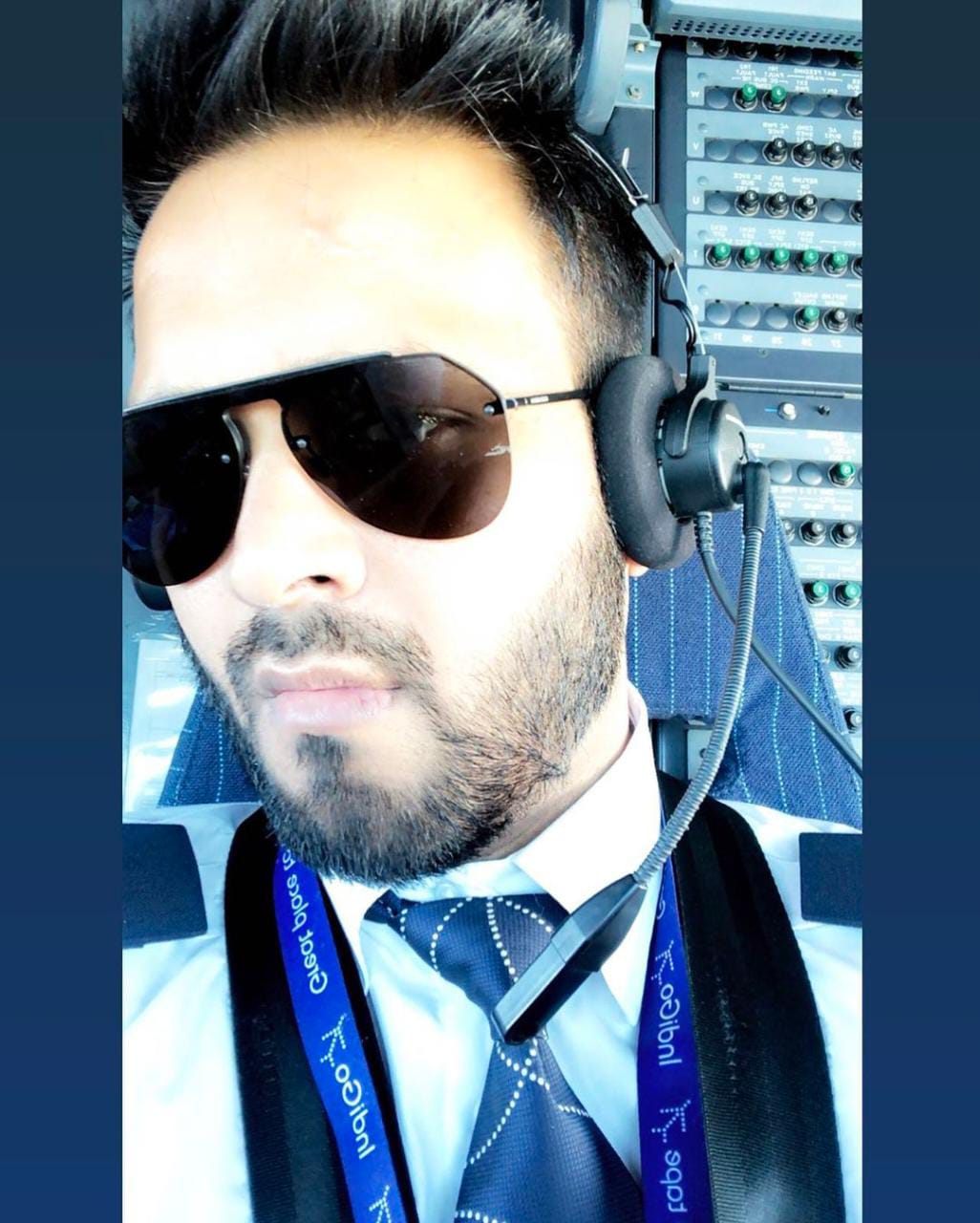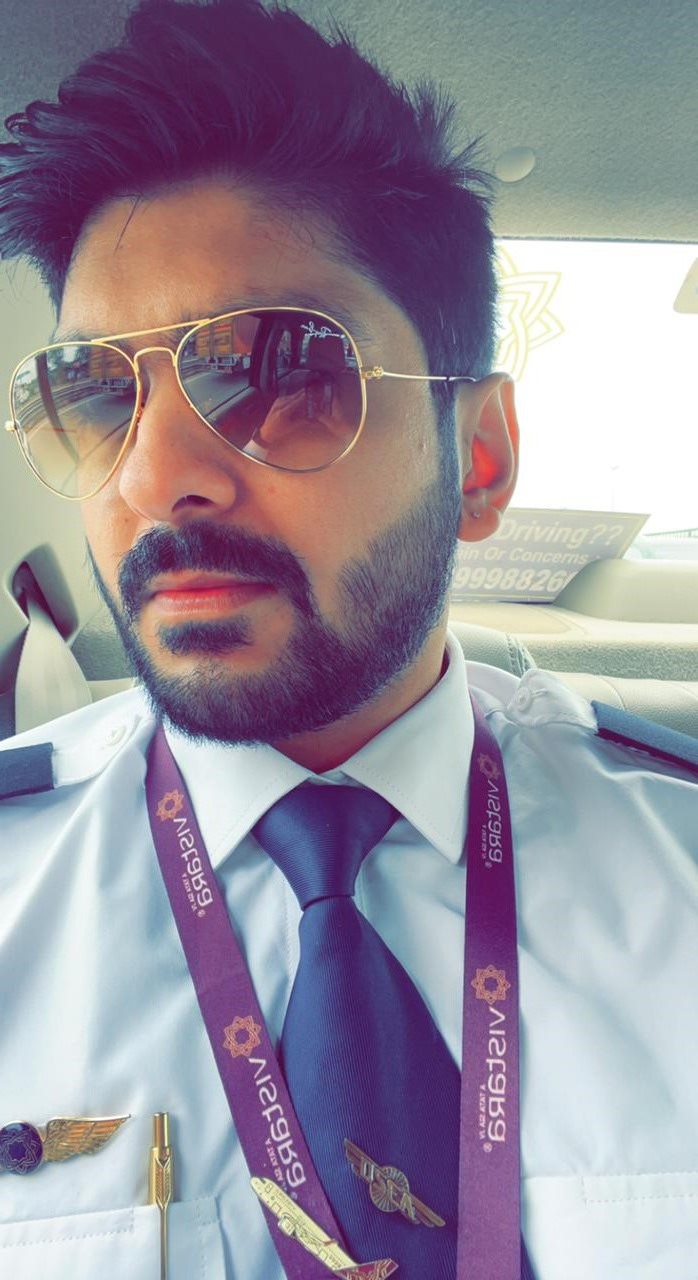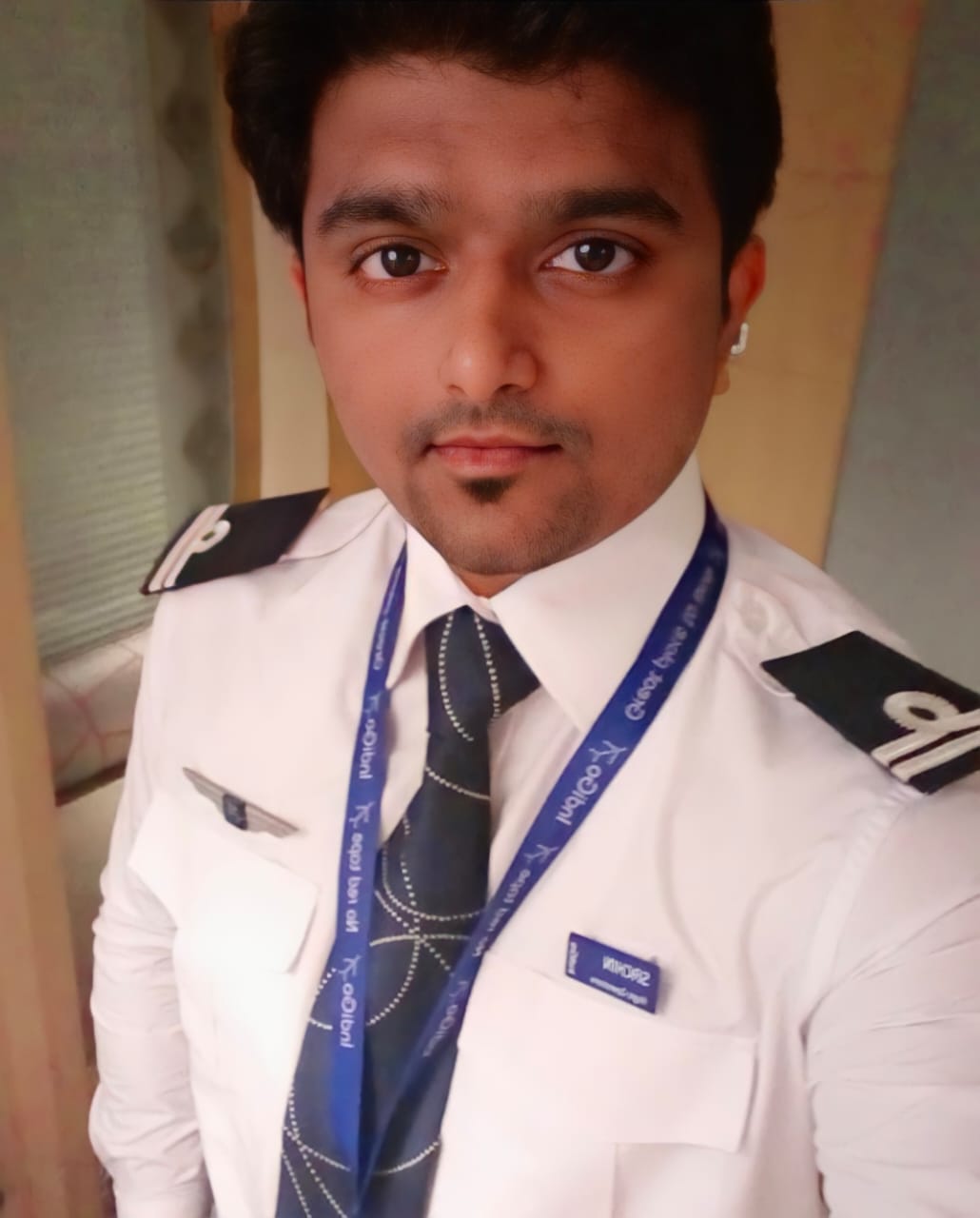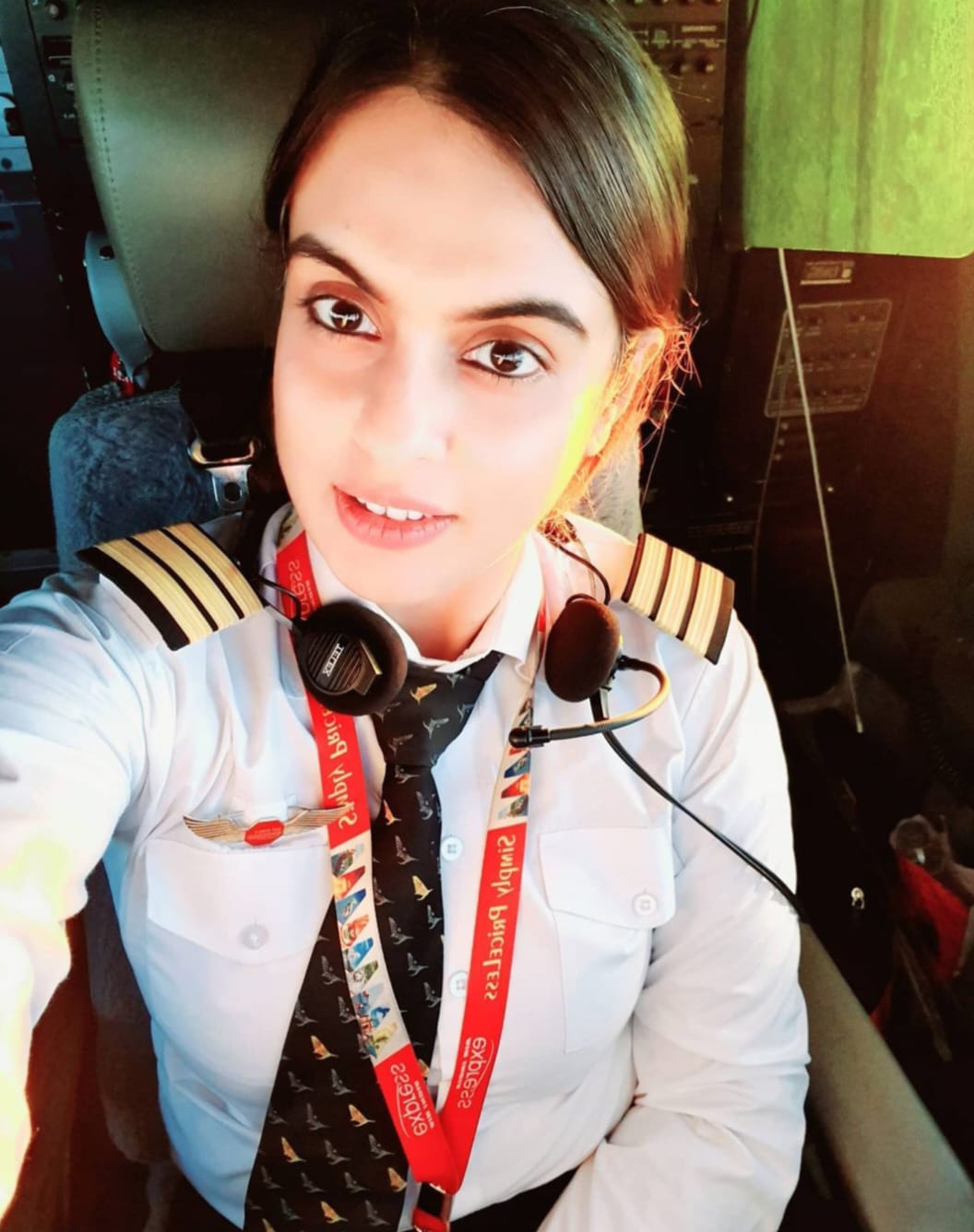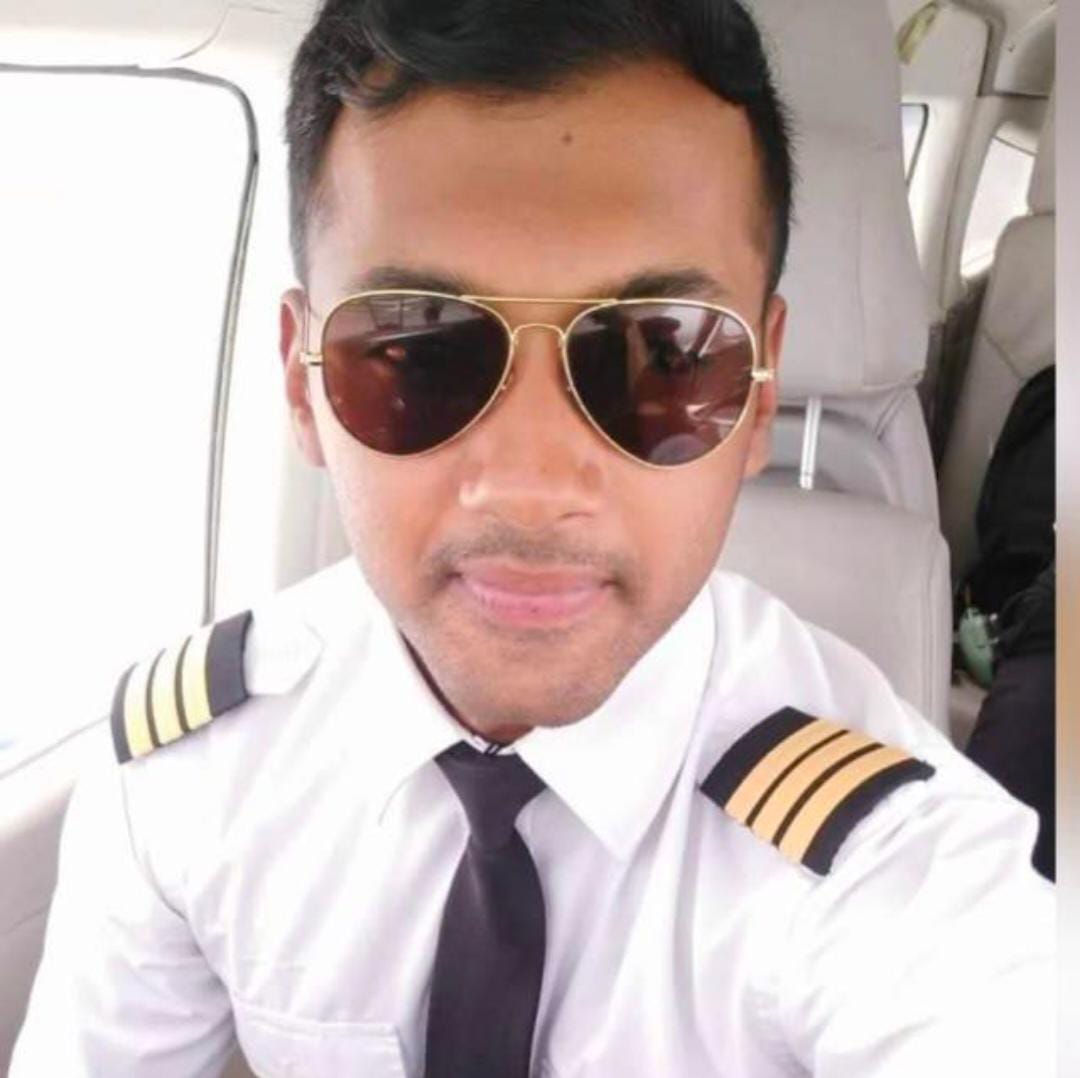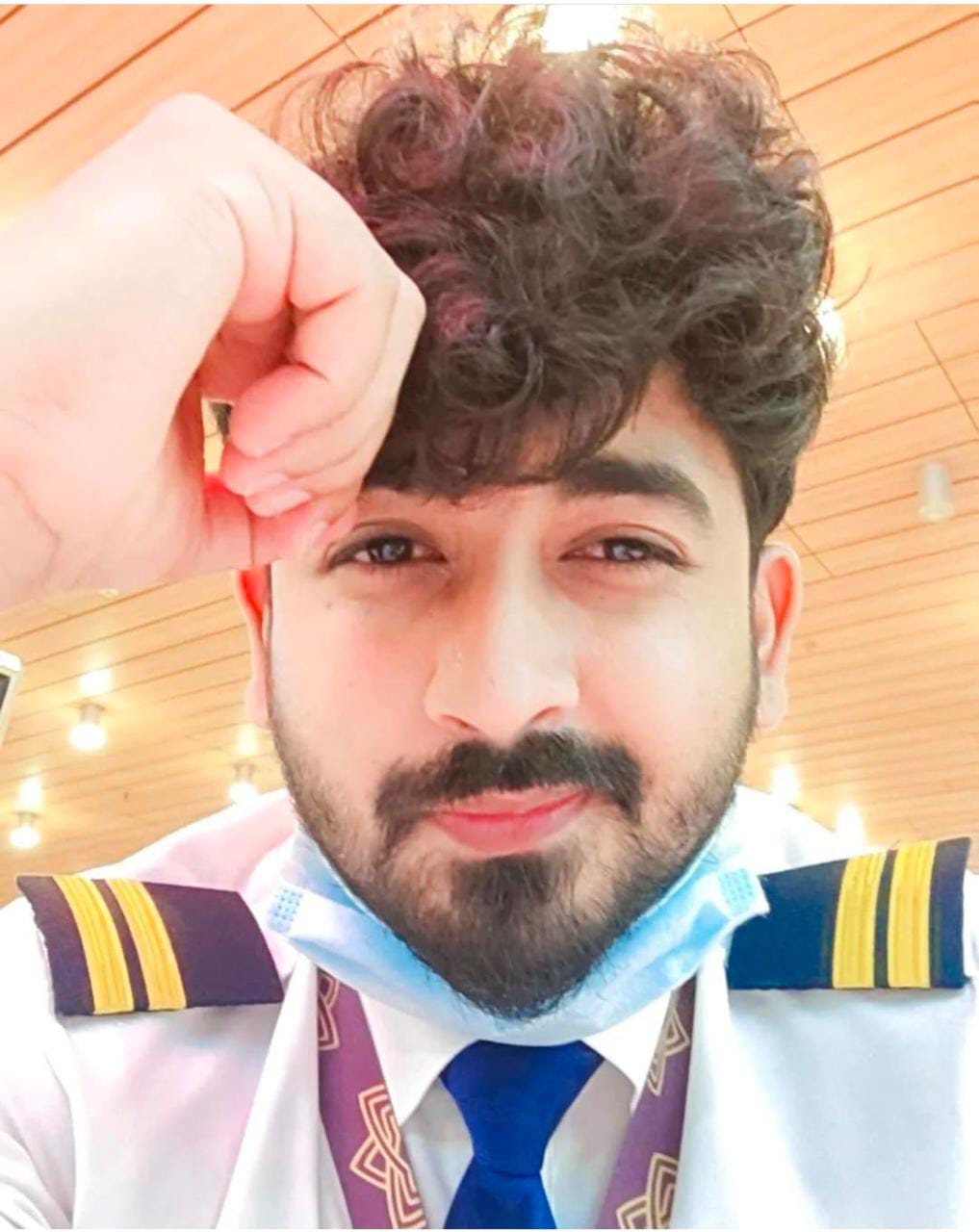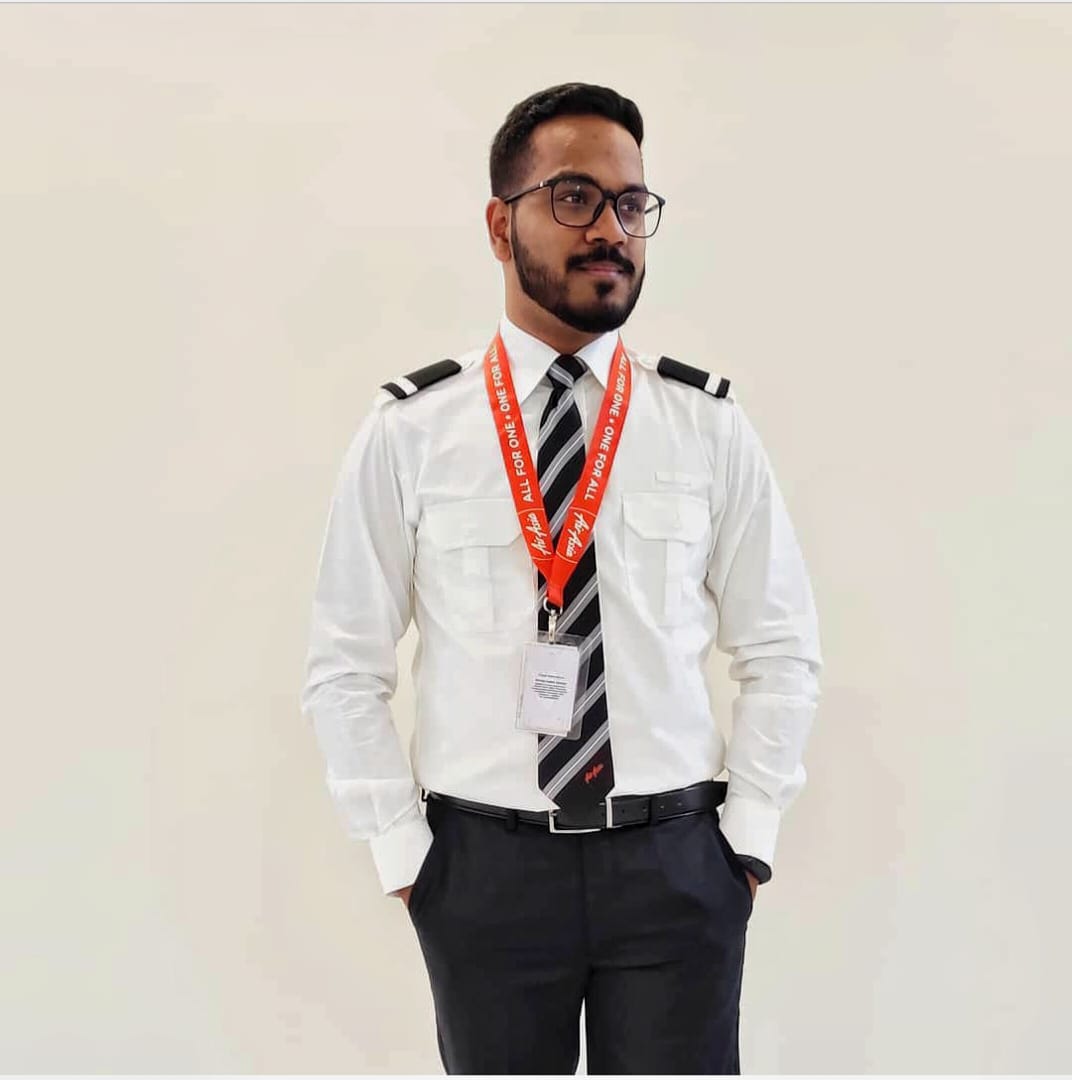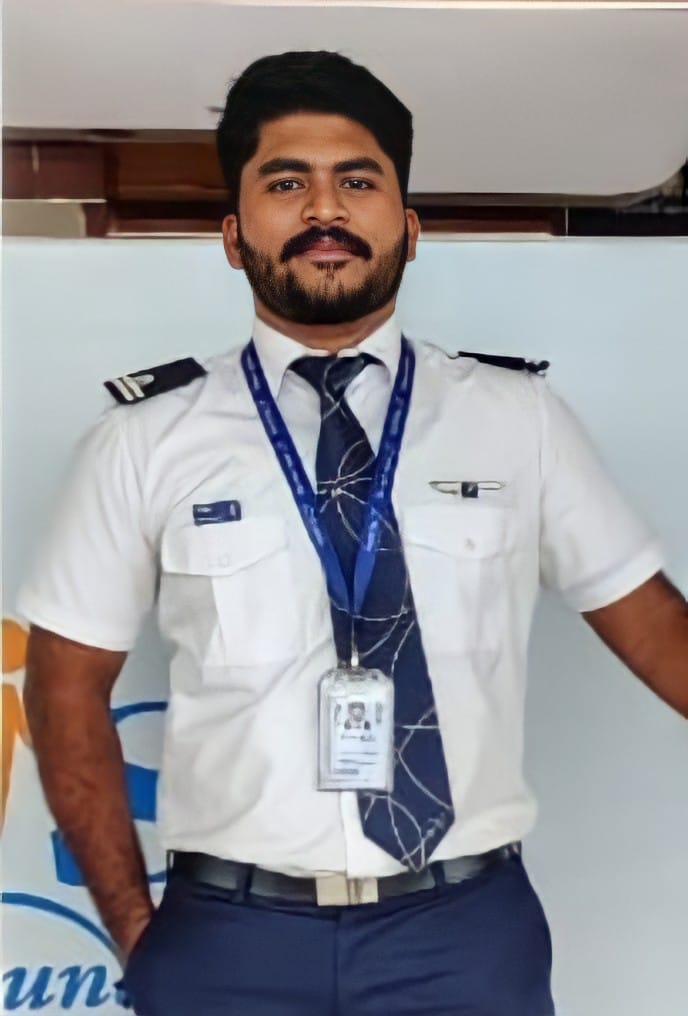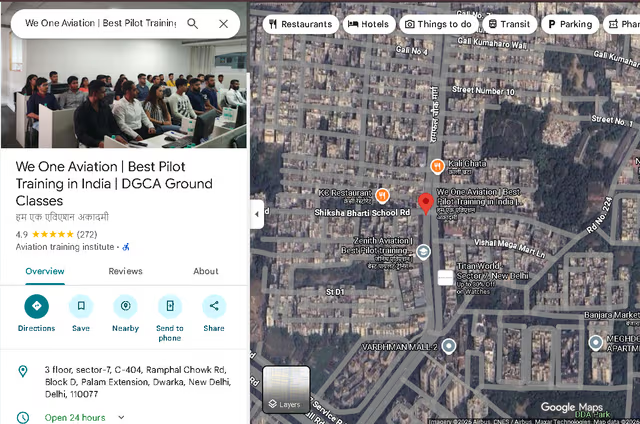
We One Aviation is a pilot training academy focused on assisting aspiring pilots to forge fruitful career paths. Commercial Pilot License Training, international flights training, mentoring and placements assistance

CONTACT US

How Much Does a Commercial Pilot License (CPL) Cost in India?

How Much Does a Commercial Pilot License (CPL) Cost in India?

How much does a Commercial Pilot License (CPL) cost in India?

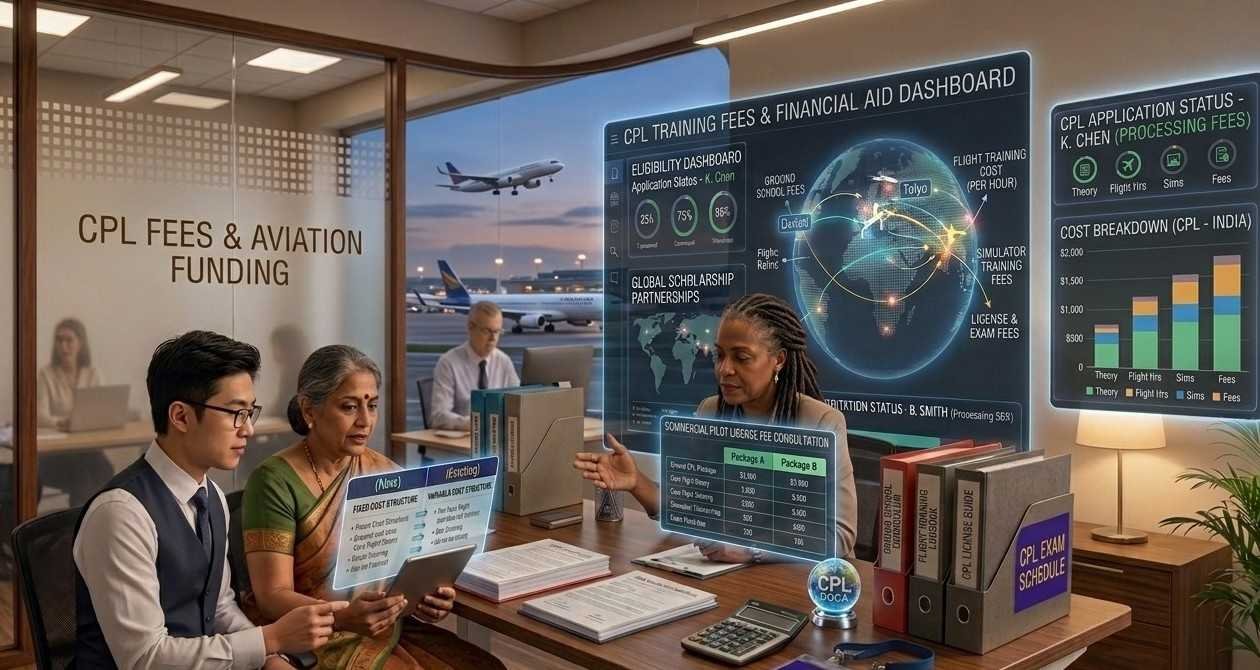
Pilot training is a significant investment, and understanding the complete fee structure is essential before starting your aviation journey. The total CPL cost includes flying training, ground classes, medical examinations, licensing fees, examination charges, and several additional expenses.

In this guide, we will break down the major costs involved in obtaining a Commercial Pilot License in India and help you plan your pilot training budget effectively.

What is a Commercial Pilot License (CPL)?

A Commercial Pilot License (CPL) is a professional certification issued by the Directorate General of Civil Aviation (DGCA) that allows pilots to fly aircraft for commercial purposes.

After obtaining a CPL, pilots can pursue careers with:

  • Commercial airlines
  • Charter operators
  • Cargo airlines
  • Corporate aviation companies
  • Flight training organizations

The CPL is one of the most important qualifications for building a professional aviation career.

Average CPL Cost in India

The total cost of obtaining a Commercial Pilot License in India generally ranges between ₹35 lakhs and ₹60 lakhs, depending on several factors such as:

  • Flying school selection
  • Aircraft type
  • Training location
  • Fuel prices
  • Additional ratings
  • Accommodation expenses

Some premium aviation academies may have higher training costs due to advanced facilities and training equipment.

Major Components of CPL Training Cost

1. Ground School Training Fees

Ground school provides theoretical aviation knowledge and prepares students for DGCA examinations.

Subjects typically include:

  • Air Navigation
  • Meteorology
  • Air Regulations
  • Technical General
  • Technical Specific

Ground training fees generally form an important part of the overall CPL budget.

2. Flying Training Costs

Flying training is usually the largest expense associated with obtaining a CPL.

Students must complete the required flight hours prescribed by DGCA regulations.

Flight training expenses may include:

  • Aircraft rental
  • Instructor charges
  • Fuel costs
  • Operational expenses

The total flying cost depends largely on the number of hours required and the aircraft used during training.

3. Simulator Training

Many aviation academies incorporate flight simulator sessions into their training programs.

Simulator training helps students:

  • Practice flight procedures
  • Improve decision-making skills
  • Learn emergency handling techniques
  • Gain confidence before actual flight operations

Simulator training costs may vary depending on the training provider and equipment used.

4. DGCA Medical Examination Fees

Medical fitness is mandatory for all commercial pilots.

Students are generally required to complete:

Class 2 Medical Examination

This is usually the first medical assessment conducted before pilot training begins.

Class 1 Medical Examination

A Class 1 Medical Certificate is required before obtaining a Commercial Pilot License.

Medical examination costs depend on the testing facility and required assessments.

5. DGCA Examination Fees

Commercial pilot candidates must successfully pass DGCA theory examinations.

Examination fees may apply for subjects such as:

  • Air Navigation
  • Meteorology
  • Air Regulations
  • Technical General
  • Technical Specific

Students should account for examination expenses when planning their overall training budget.

6. DGCA Computer Number and Documentation Costs

Before appearing for DGCA examinations, students must obtain a DGCA Computer Number.

Additional documentation expenses may include:

  • Application processing
  • Certificate verification
  • Document preparation
  • Licensing paperwork

Although relatively small compared to flying costs, these expenses remain an important part of the licensing process.

7. Radio Telephony (RTR) Certification

  1. The Radio Telephony Restricted (RTR) qualification is required for professional pilots.
  2. RTR certification demonstrates a pilot's ability to communicate effectively with Air Traffic Control using standard aviation communication procedures.
  3. Students should include RTR examination and preparation costs in their financial planning.
8. Accommodation and Living Expenses

Students who relocate for pilot training must consider living expenses.

These costs may include:

  • Accommodation
  • Food
  • Transportation
  • Study materials
  • Daily personal expenses

The total amount varies depending on the city and training location.
Additional Costs to Consider

Many students focus only on flight training fees and overlook additional expenses that may arise during training.
Examples include:

  1. Uniforms
  2. Aviation headsets
  3. Logbooks
  4. Examination preparation materials
  5. License application fees
  6. Travel expenses

Planning for these costs can help avoid financial surprises later.

Factors That Affect CPL Fees in India

Flying School Reputation: Well-established aviation academies with advanced facilities may charge higher fees.

Aircraft Fleet: Training on newer or more sophisticated aircraft can increase costs.

Location: Training expenses may vary between cities and regions due to operational costs and fuel prices.

Additional Ratings

Pilots often pursue qualifications such as:

  • Multi-Engine Rating
  • Instrument Rating
  • Type Rating

These additional certifications may increase overall training expenses but can enhance employment opportunities.

Can Education Loans Help?

Yes. Many banks and financial institutions offer education loans specifically for pilot training programs.

Education loans can help cover:

  • Tuition fees
  • Flying expenses
  • Accommodation costs
  • Training-related expenses

Students should compare loan options carefully and understand repayment terms before applying.

Are Scholarships Available?

Some aviation organizations, institutions, and scholarship programs offer financial assistance to deserving students.

Scholarships may be awarded based on:

  • Academic performance
  • Financial need
  • Leadership potential
  • Aviation aptitude

Scholarship assistance can significantly reduce the overall cost of pilot training.

Conclusion

The cost of obtaining a CPL Fees in India in India typically ranges between ₹35 lakhs and ₹60 lakhs, depending on the flying school, training requirements, and additional qualifications pursued. While the investment may seem significant, careful financial planning, education loans, and scholarship opportunities can help make pilot training more accessible.

Aspiring pilots should research flying schools thoroughly, understand all associated expenses, and prepare a realistic training budget before beginning their aviation journey. With proper planning and dedication, earning a CPL can be the first step toward an exciting and successful career in the aviation industry.

FAQs

1. What is the average CPL cost in India?
The total CPL training cost generally ranges from ₹35 lakhs to ₹60 lakhs depending on the flying school and training requirements.

2. What expenses are included in CPL training costs?
Costs may include flying training, ground school, simulator training, medical examinations, DGCA exams, documentation, accommodation, and licensing fees.

3. Can I get an education loan for CPL training?
Yes, many financial institutions offer education loans specifically for pilot training programs.

4. Are scholarships available for pilot training?
Yes, some aviation organizations and institutions provide scholarships to eligible students.

5. Is becoming a commercial pilot worth the investment?
For students passionate about aviation, a CPL can lead to rewarding career opportunities, competitive salaries, and long-term professional growth.

Our Network

Training Partners For

Elite aviation partners ensuring world-class training standards for our students in India.

Course Flow

01

Master the Fundamentals of Flying

Begin your journey with DGCA-approved theory training, covering essential subjects such as Air Regulations, Meteorology, Air Navigation, and Technical General to build a strong foundation for a successful aviation career. ✈️

02

Student Pilot Licence (SPL)

Learn aviation basics, aircraft familiarization, and air regulations, followed by an oral assessment to qualify for your first solo flight. ✈️

03

First Solo Flight Experience

Take to the skies independently under supervision, practicing take-offs, landings, circuits, and basic manoeuvres to build confidence and flying skills. 🛫

04

Flight Hours & Skill Development

Accumulate required flight hours through cross-country navigation, instrument flying, and advanced exercises to strengthen decision-making and flight proficiency. 🌍

05

Multi-Engine & Instrument Rating

Gain advanced training in multi-engine aircraft and instrument flying, preparing you for airline standards and professional aviation careers. ✈️🚀