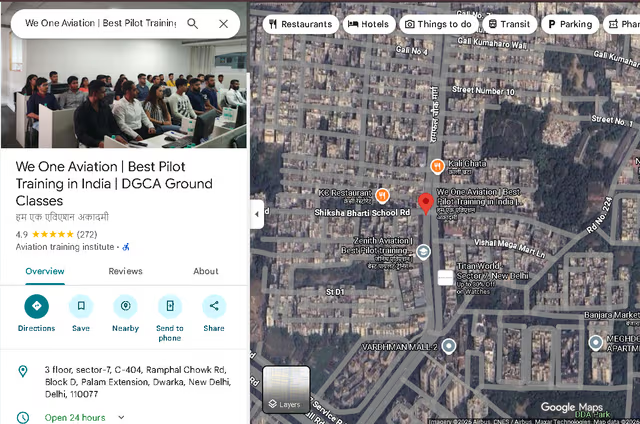
We One Aviation is a pilot training academy focused on assisting aspiring pilots to forge fruitful career paths. Commercial Pilot License Training, international flights training, mentoring and placements assistance

CONTACT US

How to Build a Successful Pilot Career Guide

A Pilot Career Guide as a pilot is one of the most exciting and rewarding professions in the world. Pilots enjoy the opportunity to travel, operate advanced aircraft, and earn competitive salaries while playing a vital role in the aviation industry. However, becoming a successful pilot requires dedication, proper training, continuous learning, and strategic career planning. Whether you dream of flying commercial airliners, private jets, or cargo aircraft, understanding the right path can help you achieve long-term success in aviation.

Understand the Requirements

The first step in building a successful pilot career is understanding the educational and licensing requirements. Most aspiring pilots complete their higher secondary education with a strong foundation in mathematics and physics. While a college degree is not always mandatory, many airlines prefer candidates who have completed a bachelor's degree.

In addition to academic qualifications, aspiring pilots must meet medical fitness standards established by aviation authorities. A Class 1 Medical Certificate is generally required for commercial airline pilots, ensuring they are physically and mentally fit to operate aircraft safely.

Choose the Right Flight Training Program

Selecting a reputable flight school is one of the most important decisions in a pilot's journey. Quality training provides the technical knowledge, practical skills, and confidence needed to succeed in the aviation industry.

When evaluating flight schools, consider factors such as:

  • Accreditation and licensing approvals
  • Training aircraft availability
  • Instructor experience
  • Safety record
  • Training costs
  • Placement assistance

A well-structured training program can significantly improve your chances of securing employment after obtaining your pilot licenses.

Earn Essential Pilot Licenses : Building a successful aviation career requires obtaining the necessary licenses and certifications. The typical progression includes:
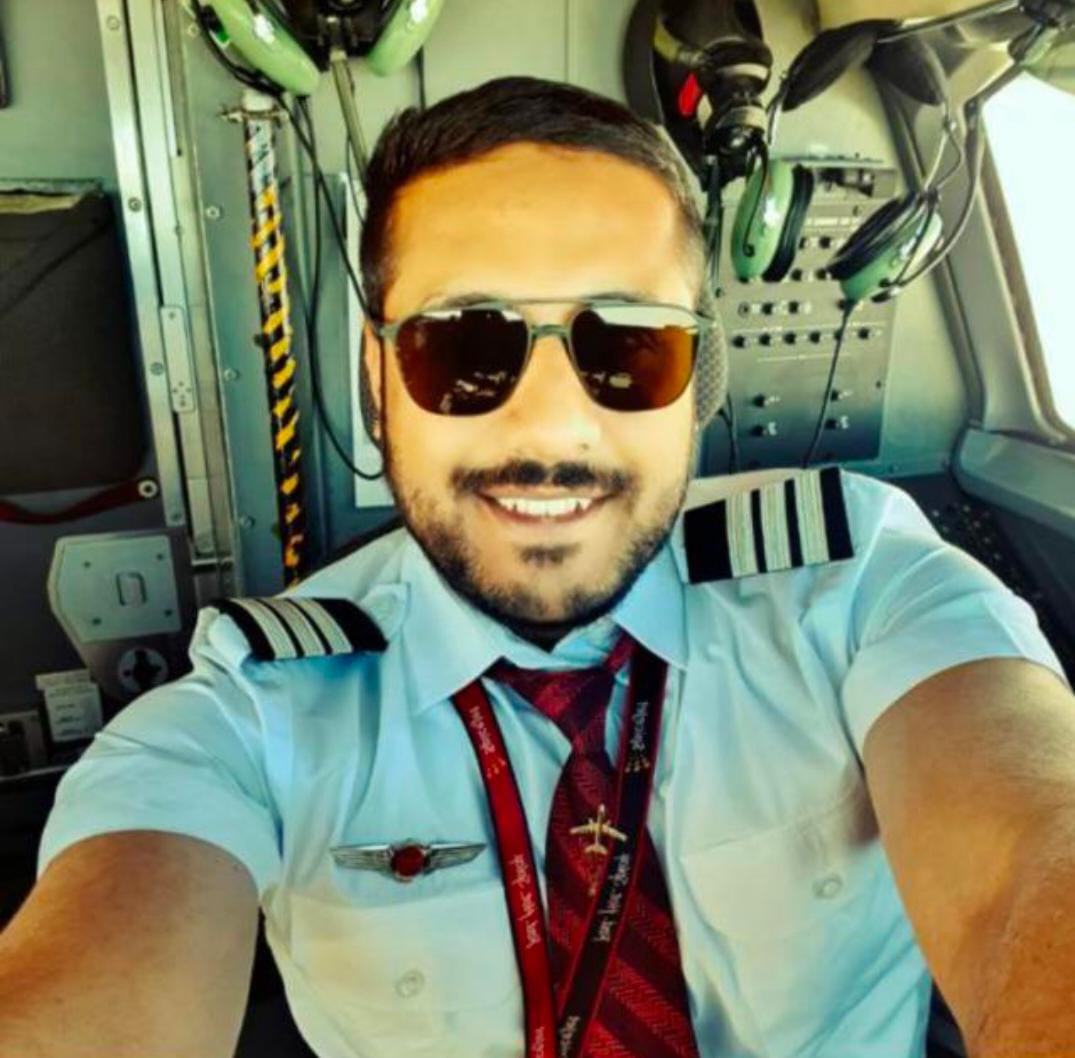
Student Pilot License (SPL): This is the first step toward learning to fly. It allows students to begin flight training under supervision.

Private Pilot License (PPL): A PPL enables pilots to fly aircraft for personal use but does not permit commercial operations.
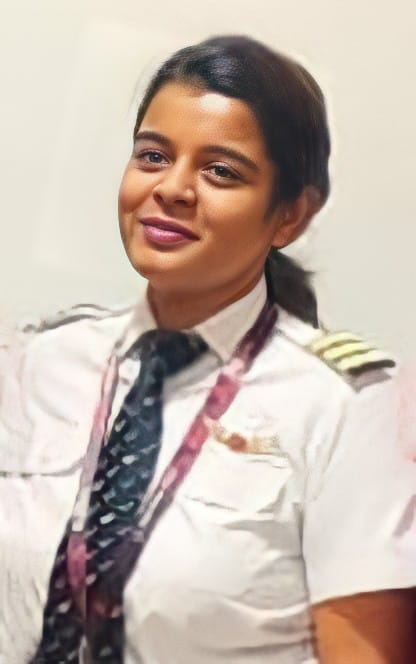
Commercial Pilot License (CPL): A CPL is required to work as a professional pilot and receive compensation for flying services.

Additional Ratings

Pilots often obtain additional certifications such as:

  • Instrument Rating (IR)
  • Multi-Engine Rating
  • Type Rating for specific aircraft
  • Airline Transport Pilot License (ATPL)

These qualifications increase employability and open doors to advanced career opportunities.

Build Flight Hours and Experience

Flight experience is one of the most important factors in career advancement. Airlines and aviation companies typically require pilots to meet minimum flight-hour requirements before considering them for employment.

New pilots can gain valuable experience through:

  • Flight instruction
  • Charter operations
  • Regional airlines
  • Cargo services
  • Aerial survey work

The more flight hours and operational experience you accumulate, the more attractive you become to potential employers.

Develop Strong Technical Skills

Successful pilots possess excellent technical knowledge and decision-making abilities. Aviation technology continues to evolve, making continuous learning essential.

Key skills include:

  • Aircraft systems knowledge
  • Navigation and flight planning
  • Weather interpretation
  • Emergency procedures
  • Communication skills
  • ​​​​​​​Crew Resource Management (CRM)

Pilots who consistently update their knowledge and remain current with industry developments often enjoy faster career progression.

Focus on Professionalism

Professionalism plays a critical role in aviation. Airlines seek pilots who demonstrate reliability, discipline, and strong leadership qualities.

Ways to build professionalism include:

  • Maintaining punctuality
  • Following safety procedures
  • Demonstrating teamwork
  • Communicating effectively
  • Keeping certifications current

A professional reputation can lead to promotions, recommendations, and better career opportunities throughout your aviation journey.

Network Within the Aviation Industry

Networking can help aspiring pilots discover job opportunities and gain valuable industry insights. Attending aviation events, joining pilot associations, and connecting with experienced professionals can expand your career prospects.

Many pilots secure employment through referrals, industry contacts, and professional relationships built over time.

Maintain Work-Life Balance

While aviation can be exciting, it can also be demanding. Irregular schedules, long flights, and time away from family are common challenges. Successful pilots prioritize physical health, mental well-being, and work-life balance to sustain long-term career success.

Regular exercise, proper rest, and stress management can help pilots perform at their best and maintain the medical fitness required for flying.

Conclusion

Building a successful Pilot Career Guide requires determination, quality training, continuous learning, and a commitment to excellence. From earning your first license to becoming an airline captain, every stage of the journey offers opportunities for growth and achievement.

By choosing the right training program, gaining valuable flight experience, developing technical expertise, and maintaining professionalism, aspiring pilots can create a rewarding and long-lasting career in aviation. With global demand for skilled pilots continuing to grow, there has never been a better time to pursue your dream of taking to the skies.

Frequently Asked Questions (FAQs) About Building a Successful Pilot Career

1. What qualifications do I need to become a pilot?

To become a pilot, you typically need to complete your higher secondary education, meet medical fitness requirements, and obtain the necessary pilot licenses through a recognized flight training program.

2. How long does it take to build a successful pilot career?

The timeline varies depending on training, licensing, and experience. Most aspiring commercial pilots take 18 months to 3 years to complete training and begin their professional careers.

3. What is the first license required for aspiring pilots?

The first step is obtaining a Student Pilot License (SPL), which allows individuals to begin flight training under supervision.

4. Is a college degree required to become a pilot?

A college degree is not always mandatory, but many airlines prefer candidates with a bachelor's degree, especially for competitive positions.
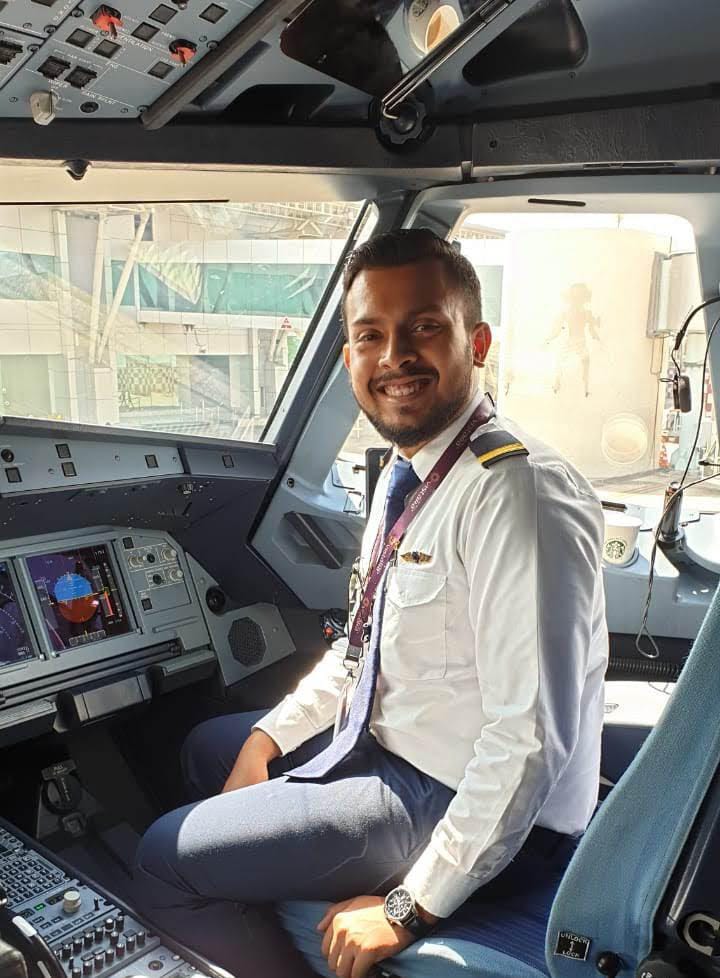
5. How important are flight hours in a pilot's career?

Flight hours are extremely important. Airlines and aviation employers often use total flight hours as a key factor when hiring and promoting pilots.
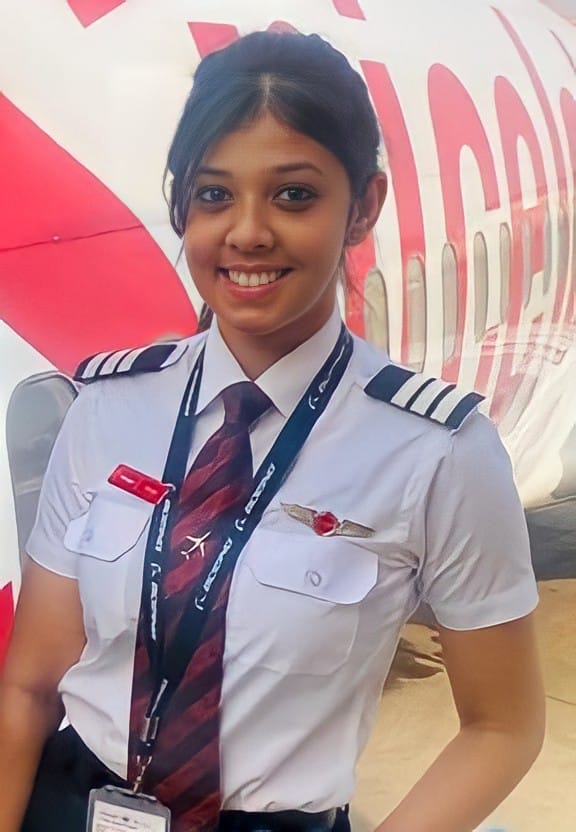
Our Network

Training Partners For

Elite aviation partners ensuring world-class training standards for our students in India.
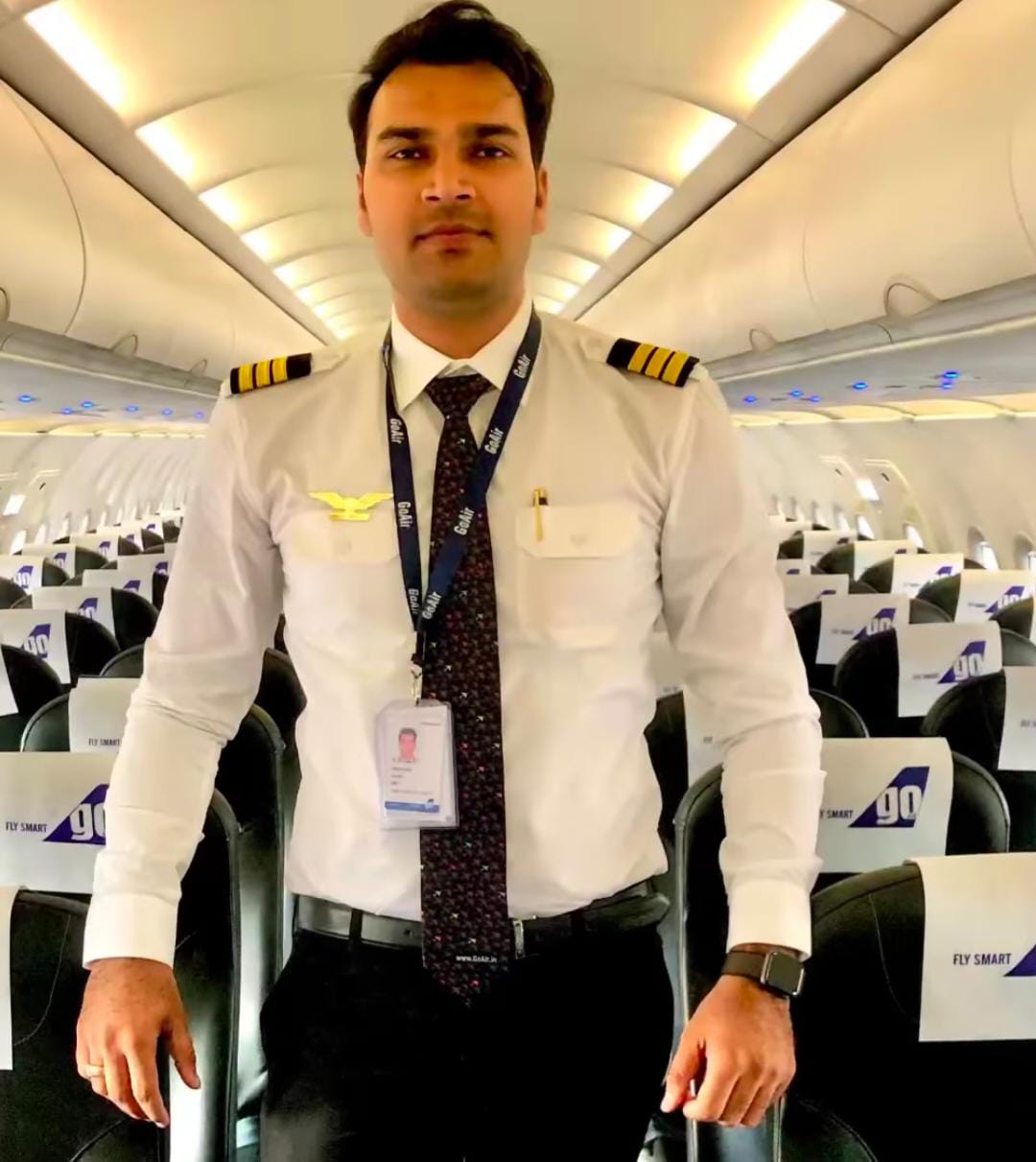
Course Flow

01

Master the Fundamentals of Flying

Begin your journey with DGCA-approved theory training, covering essential subjects such as Air Regulations, Meteorology, Air Navigation, and Technical General to build a strong foundation for a successful aviation career. ✈️

02

Student Pilot Licence (SPL)

Learn aviation basics, aircraft familiarization, and air regulations, followed by an oral assessment to qualify for your first solo flight. ✈️

03

First Solo Flight Experience

Take to the skies independently under supervision, practicing take-offs, landings, circuits, and basic manoeuvres to build confidence and flying skills. 🛫

04

Flight Hours & Skill Development

Accumulate required flight hours through cross-country navigation, instrument flying, and advanced exercises to strengthen decision-making and flight proficiency. 🌍

05

Multi-Engine & Instrument Rating

Gain advanced training in multi-engine aircraft and instrument flying, preparing you for airline standards and professional aviation careers. ✈️🚀