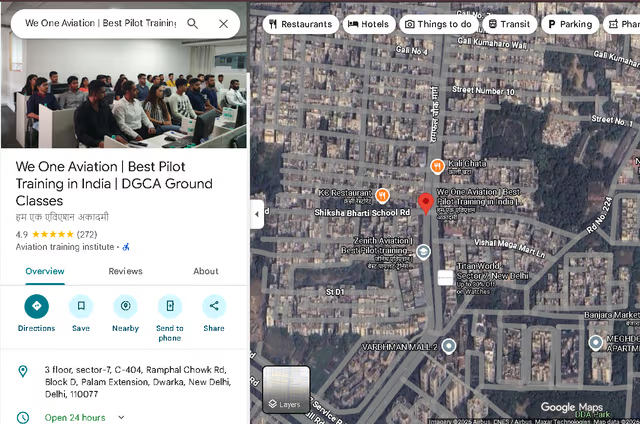
We One Aviation is a pilot training academy focused on assisting aspiring pilots to forge fruitful career paths. Commercial Pilot License Training, international flights training, mentoring and placements assistance

CONTACT US

Reliable EASA Maintenance Services for Global Aviation Operators

Reliable EASA Maintenance Services for Global Aviation Operators

Among the most recognized aviation regulatory standards worldwide are those established by the European Union Aviation Safety Agency (EASA). Reliable EASA Maintenance Services provide aviation operators with comprehensive maintenance solutions that meet stringent European safety and airworthiness requirements. These services help organizations maintain compliance, improve operational efficiency, and ensure the highest levels of flight safety across international operations.

Understanding EASA Maintenance Services

EASA Maintenance Services refer to aircraft maintenance activities performed in accordance with regulations and standards established by the European Union Aviation Safety Agency. EASA oversees aviation safety across Europe and establishes strict requirements for aircraft maintenance organizations, engineers, operators, and continuing airworthiness management.

Maintenance providers approved under EASA regulations must follow detailed procedures designed to ensure aircraft remain safe, compliant, and operational throughout their service life.

These services typically cover:

  • Scheduled aircraft maintenance
  • Line maintenance
  • Base maintenance
  • Airworthiness inspections
  • Engine maintenance support
  • Continuing Airworthiness Management (CAMO)
  • Technical record management
  • Aircraft modifications and repairs
  • Regulatory compliance support

By adhering to EASA standards, aviation operators can maintain international credibility and ensure consistent operational performance.

Why EASA Maintenance Standards Matter

The aviation industry operates in a highly regulated environment where safety remains the top priority. EASA maintenance requirements are recognized globally for their rigorous approach to safety management, technical oversight, and quality assurance.

Compliance with EASA regulations helps operators:

  • Maintain aircraft airworthiness
  • Enhance passenger safety
  • Reduce operational risks
  • Improve fleet reliability
  • Meet international regulatory requirements
  • Facilitate cross-border operations
  • Protect valuable aviation assets

For operators conducting international flights, EASA-compliant maintenance provides assurance that aircraft meet globally accepted safety standards.

Key Components of EASA Maintenance Services

Scheduled Maintenance Programs

Scheduled maintenance is performed according to manufacturer recommendations and regulatory requirements. These planned inspections help identify potential issues before they impact operations.

Regular maintenance activities include:

  • A-checks
  • C-checks
  • Structural inspections
  • System testing
  • Component replacement
  • Preventive maintenance procedures

These programs are designed to maintain aircraft performance and minimize unexpected failures.

Continuing Airworthiness Management

Continuing Airworthiness Management ensures that aircraft remain compliant with all applicable regulations throughout their operational life.

This includes:

  • Monitoring maintenance schedules
  • Managing airworthiness directives
  • Tracking component life limits
  • Maintaining technical records
  • Coordinating inspections and repairs

Effective airworthiness management is critical for avoiding compliance issues and operational disruptions.

Aircraft Inspections and Audits

Routine inspections help verify that aircraft systems, structures, and components continue to meet safety standards. EASA maintenance providers conduct detailed inspections that identify defects, wear, corrosion, or performance concerns.

These inspections contribute significantly to preventive maintenance and risk reduction.

Technical Documentation Management

Accurate maintenance records are essential under EASA regulations. Maintenance providers maintain detailed documentation related to inspections, repairs, modifications, component replacements, and compliance activities.

Well-organized records support regulatory audits and improve maintenance planning.

Benefits of Reliable EASA Maintenance Services

Enhanced Safety Standards

Aircraft maintained according to EASA regulations benefit from rigorous inspection and maintenance procedures that help prevent safety incidents and operational failures.

Improved Operational Reliability

Reliable maintenance reduces the likelihood of unexpected technical issues, improving aircraft availability and operational performance.

Regulatory Compliance

Professional EASA maintenance providers help operators comply with evolving regulatory requirements and avoid penalties or operational restrictions.

Cost Efficiency

Preventive maintenance helps identify issues early, reducing the need for expensive repairs and minimizing aircraft downtime.

Extended Aircraft Lifespan

Consistent maintenance practices help preserve aircraft condition and maximize long-term asset value.

Global Operational Acceptance

EASA-compliant aircraft maintenance is widely recognized throughout the international aviation community, supporting global flight operations and leasing activities.

Choosing the Right EASA Maintenance Partner

Selecting an experienced EASA-approved maintenance provider is crucial for aviation success. Operators should look for organizations with:

  • EASA-approved certifications
  • Qualified maintenance engineers
  • Comprehensive maintenance capabilities
  • Strong quality assurance programs
  • Modern maintenance facilities
  • Transparent reporting systems

A trusted maintenance partner not only supports compliance but also contributes to overall operational efficiency and fleet performance.

The Future of EASA Maintenance Services

As aviation technology advances, maintenance practices continue to evolve. Digital maintenance systems, predictive analytics, aircraft health monitoring, and advanced diagnostic tools are becoming increasingly important in modern aircraft maintenance.

EASA maintenance providers are adopting these innovations to improve maintenance planning, increase efficiency, and further enhance safety performance.

Conclusion

Reliable EASA Maintenance Services play a critical role in supporting safe, compliant, and efficient aviation operations worldwide. By following internationally recognized EASA standards, aviation operators can maintain airworthiness, reduce operational risks, improve fleet reliability, and strengthen regulatory compliance.

Whether managing a commercial airline fleet, business jet operation, or aircraft leasing portfolio, investing in professional EASA maintenance services is a strategic decision that supports long-term safety, operational excellence, and sustainable growth in the global aviation industry.

Frequently Asked Questions (FAQs)

1. What are EASA Maintenance Services?

EASA Maintenance Services are aircraft maintenance activities performed according to the regulations and standards established by the European Union Aviation Safety Agency (EASA).

2. Why is EASA compliance important for aviation operators?

EASA compliance ensures aircraft safety, airworthiness, regulatory approval, and operational reliability while supporting international aviation operations.

3. What is Continuing Airworthiness Management (CAMO)?

CAMO involves monitoring aircraft maintenance requirements, managing regulatory compliance, tracking component life limits, and ensuring ongoing airworthiness.

4. Can non-European airlines use EASA maintenance services?

Yes. Many global aviation operators choose EASA-approved maintenance providers because EASA standards are internationally respected and widely recognized.

5. How do EASA Maintenance Services improve operational efficiency?

By implementing preventive maintenance, detailed inspections, and proactive airworthiness management, EASA maintenance services reduce downtime, improve reliability, and lower long-term maintenance costs.