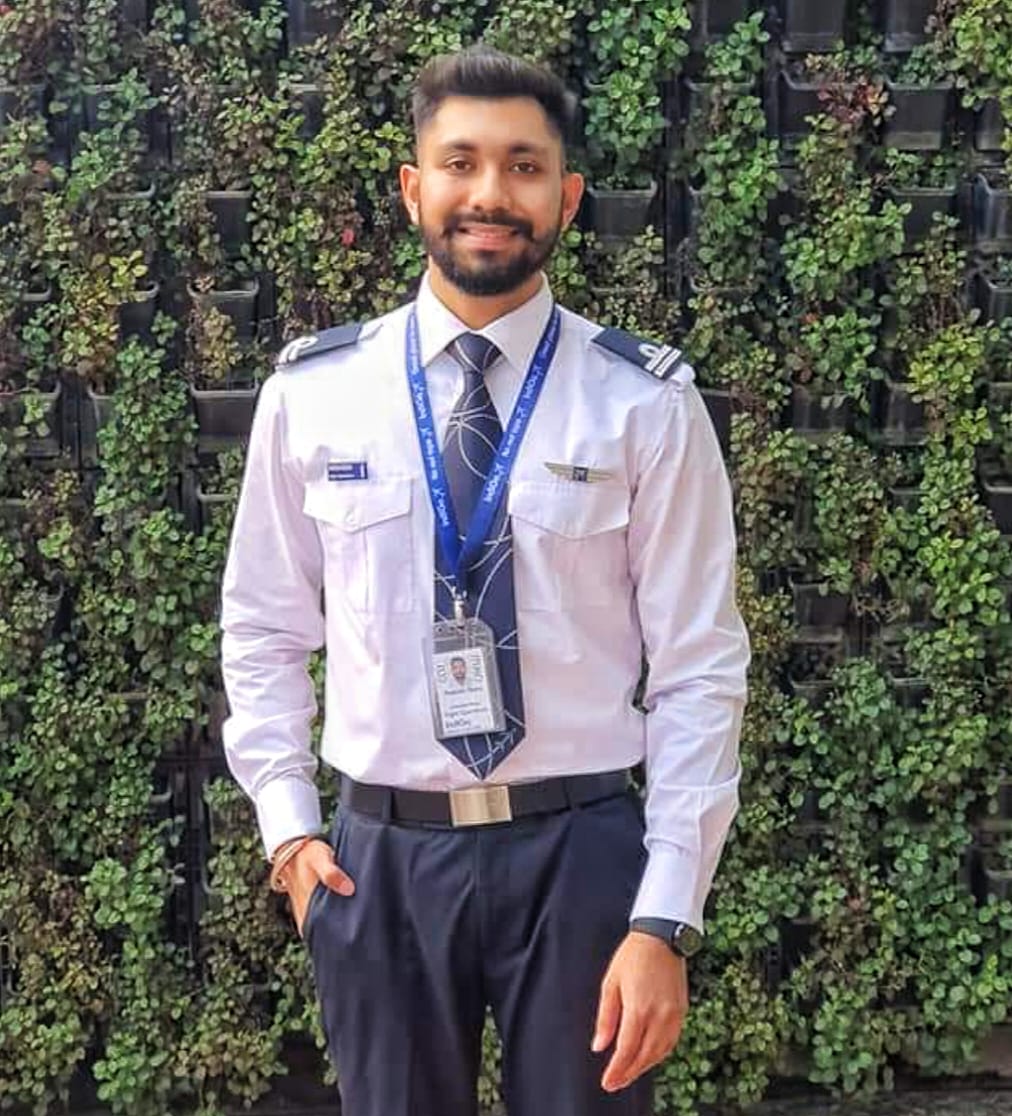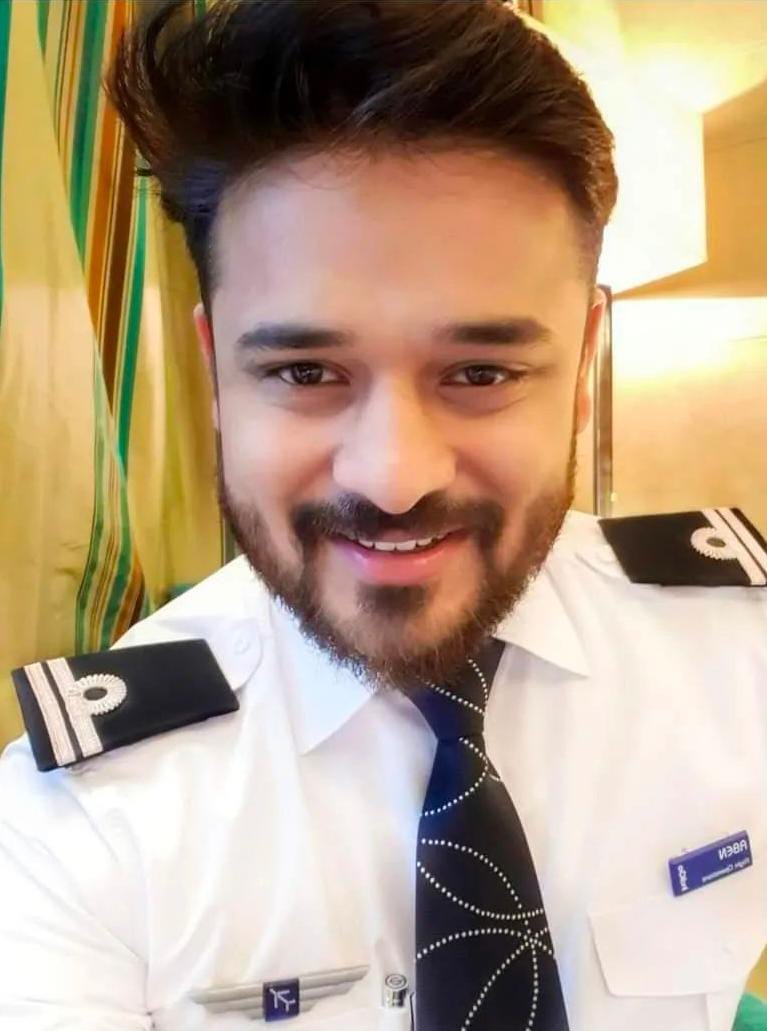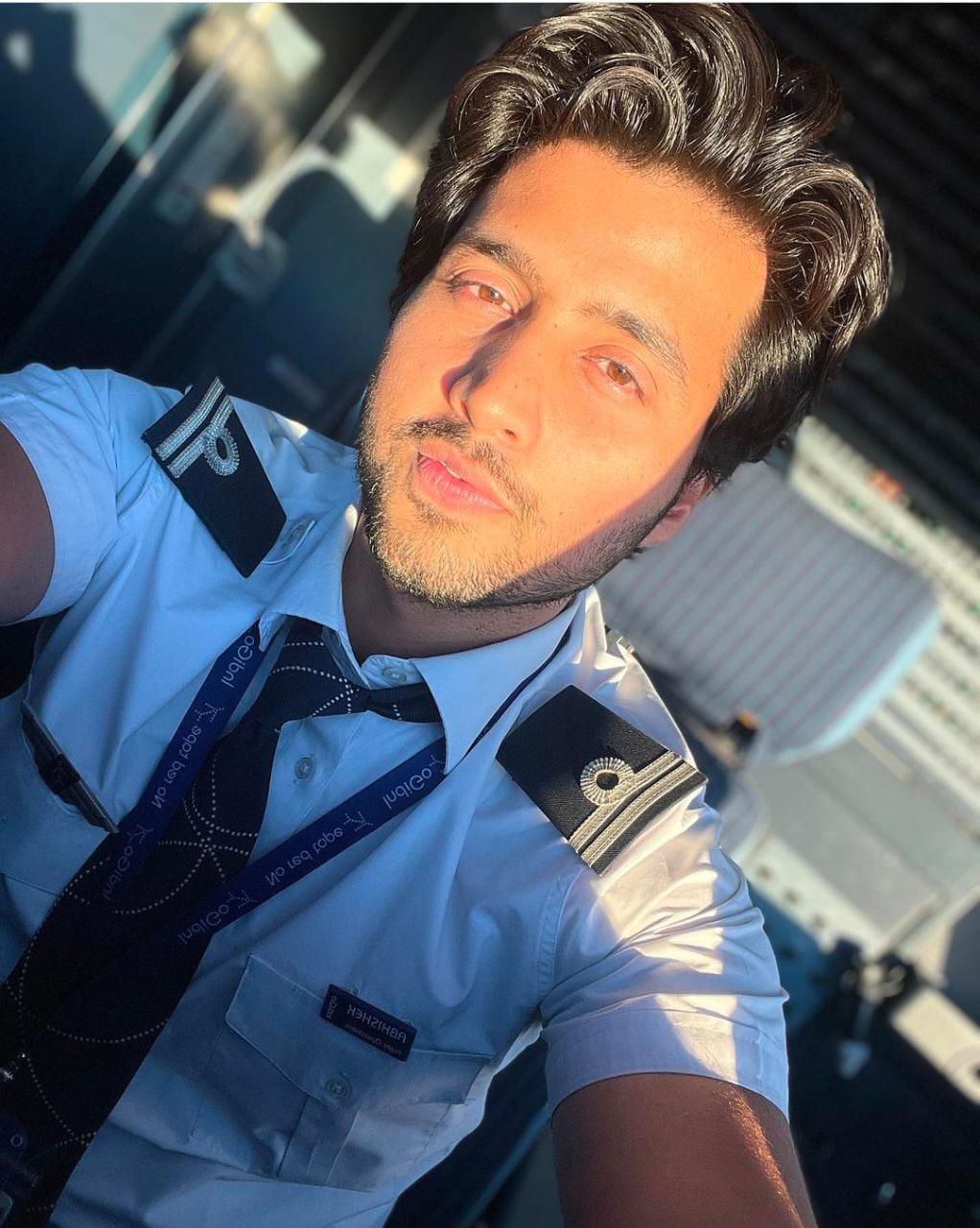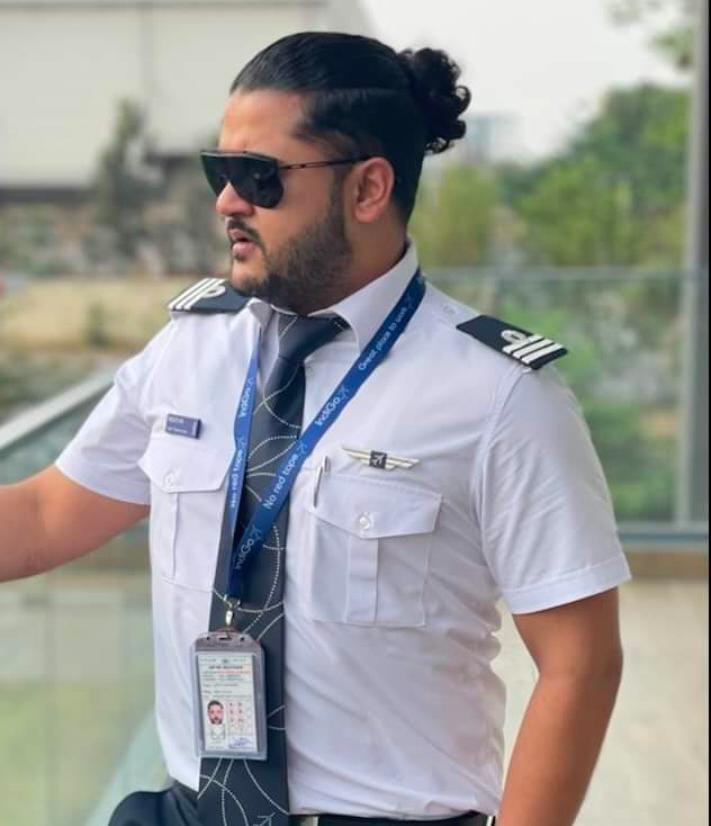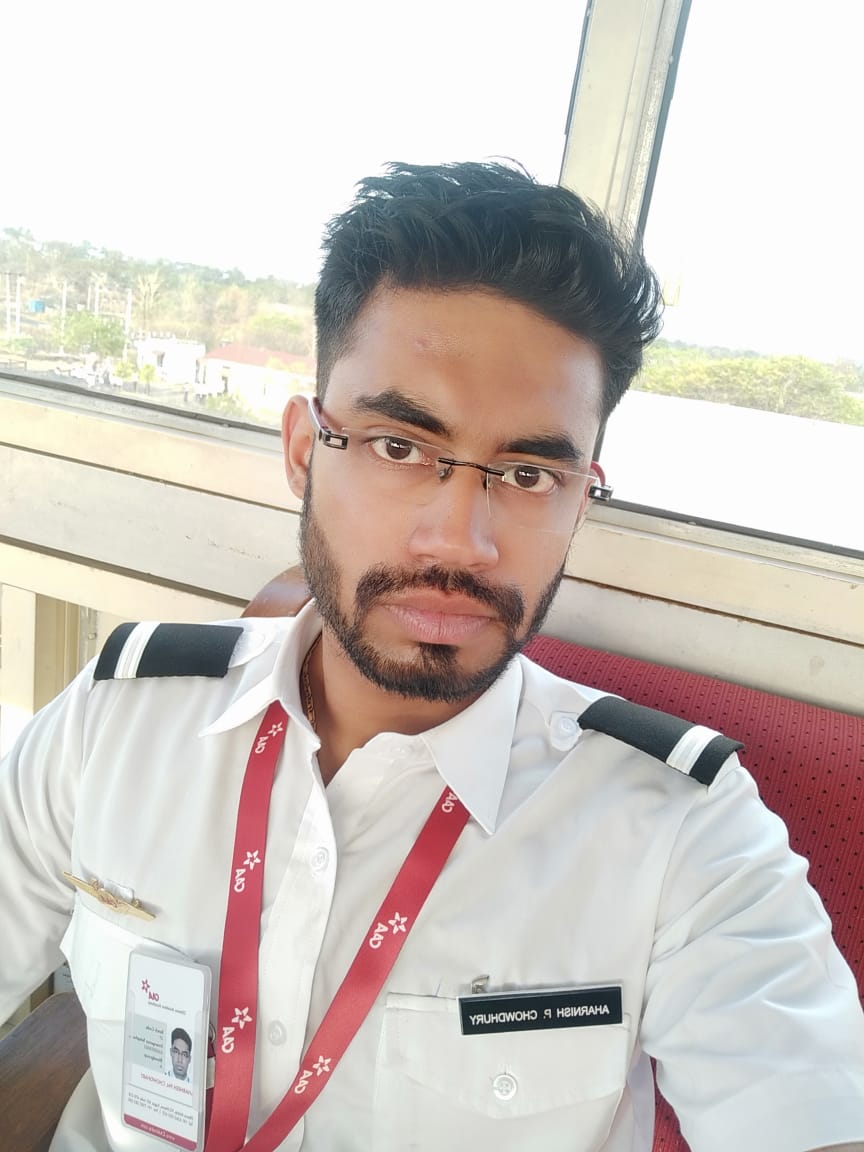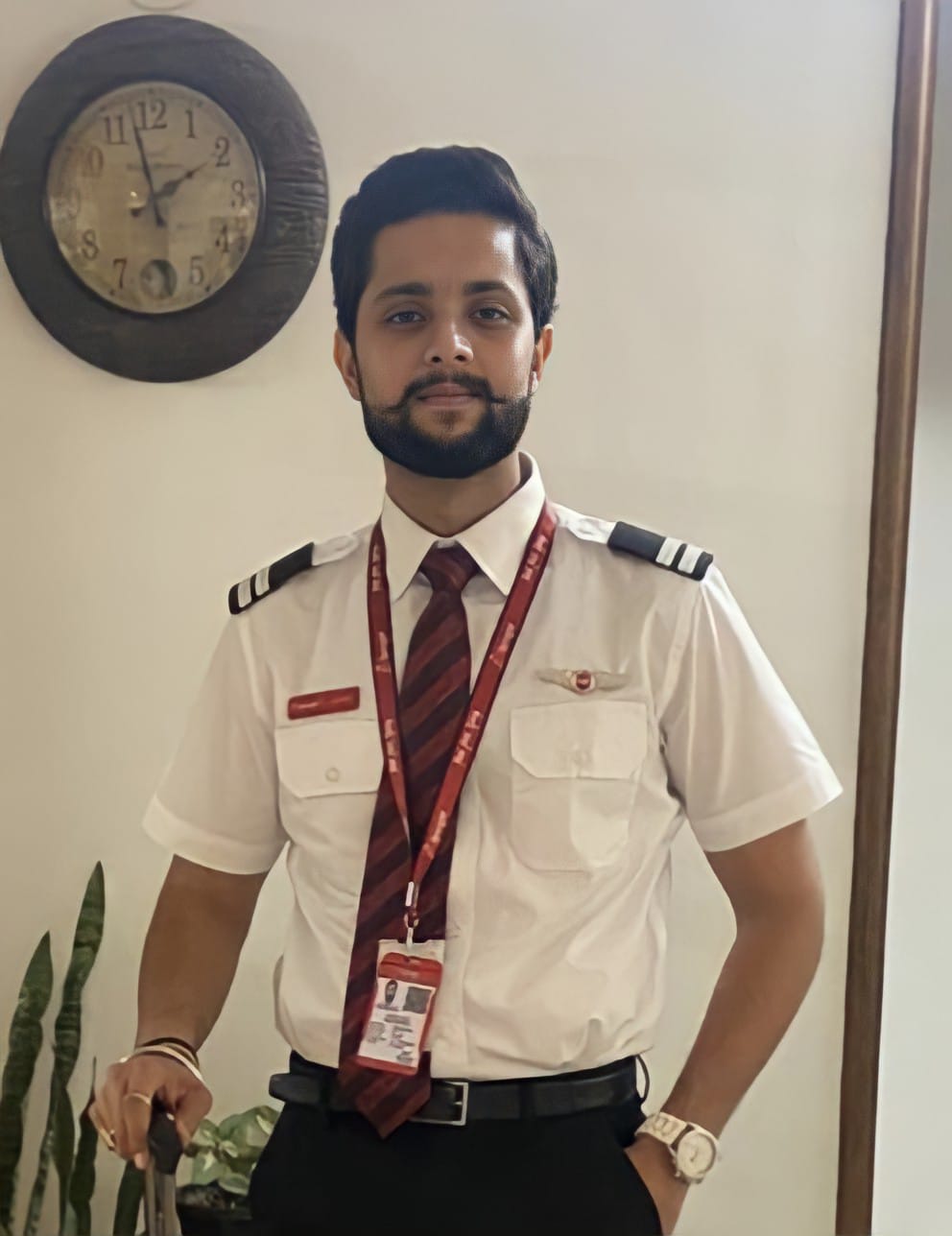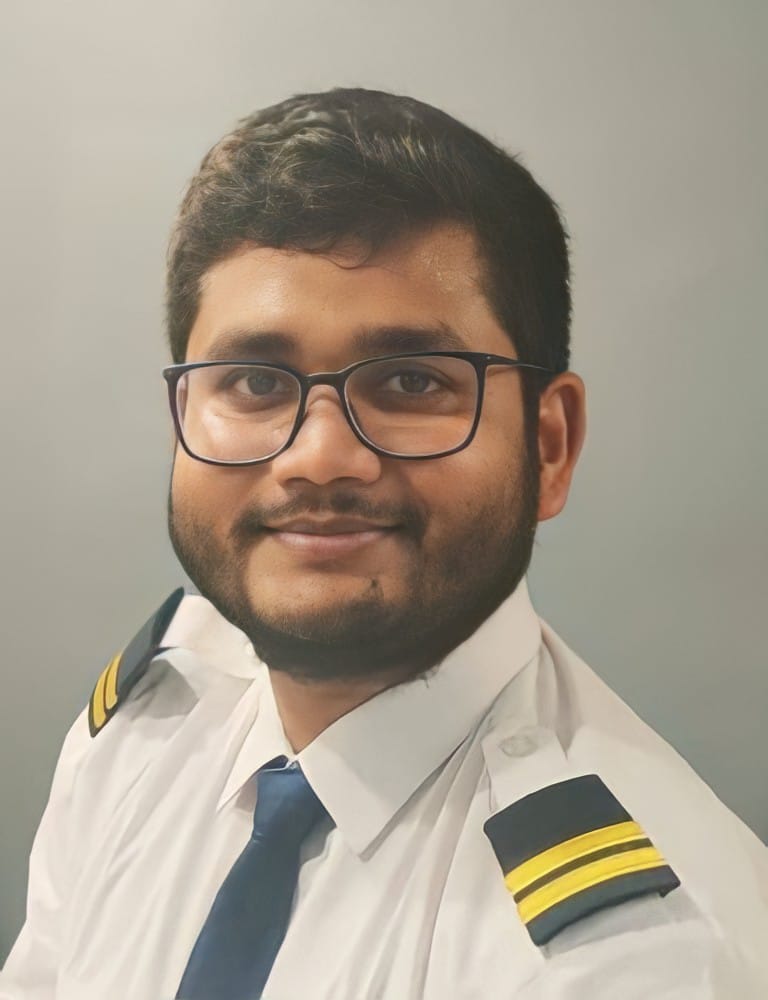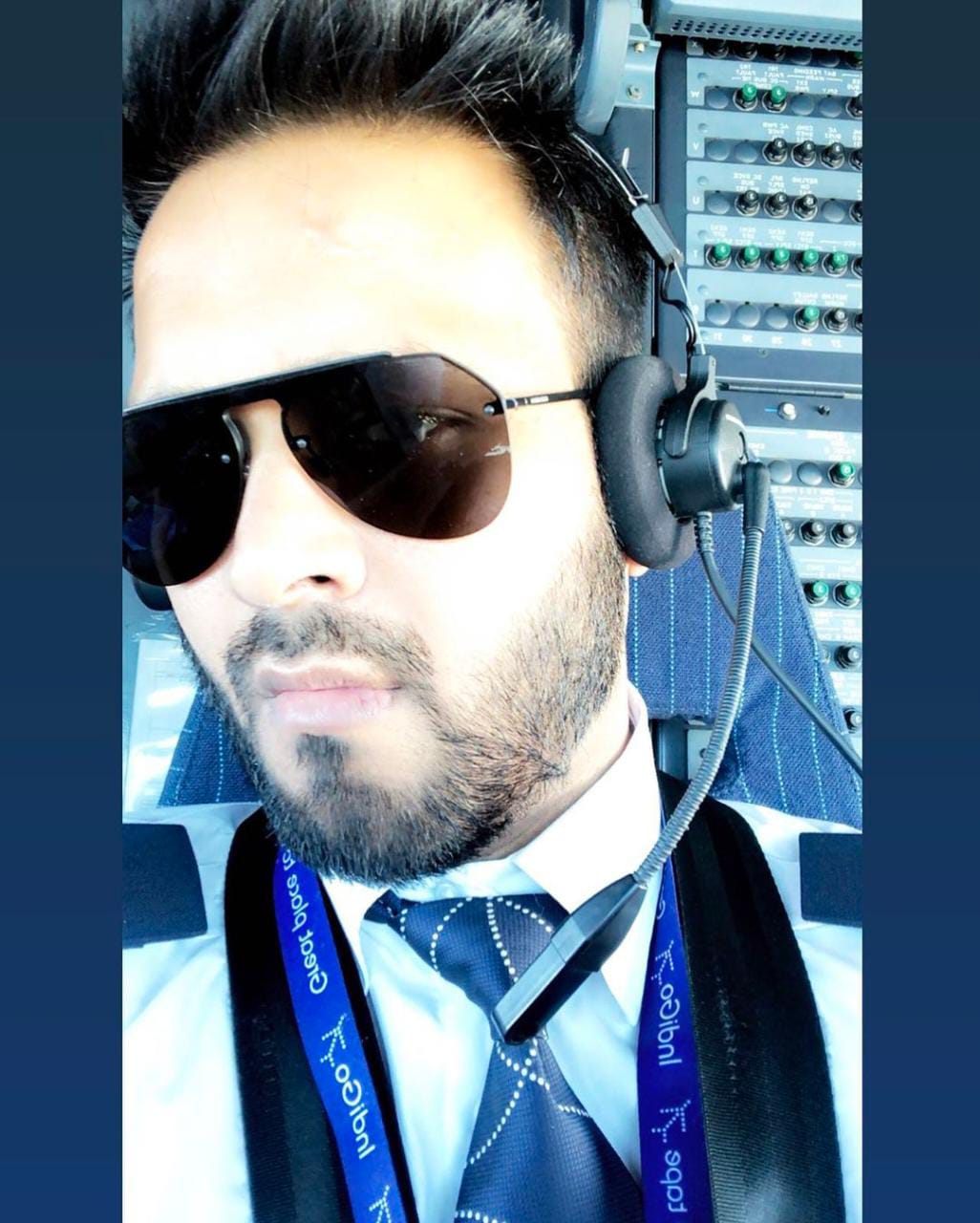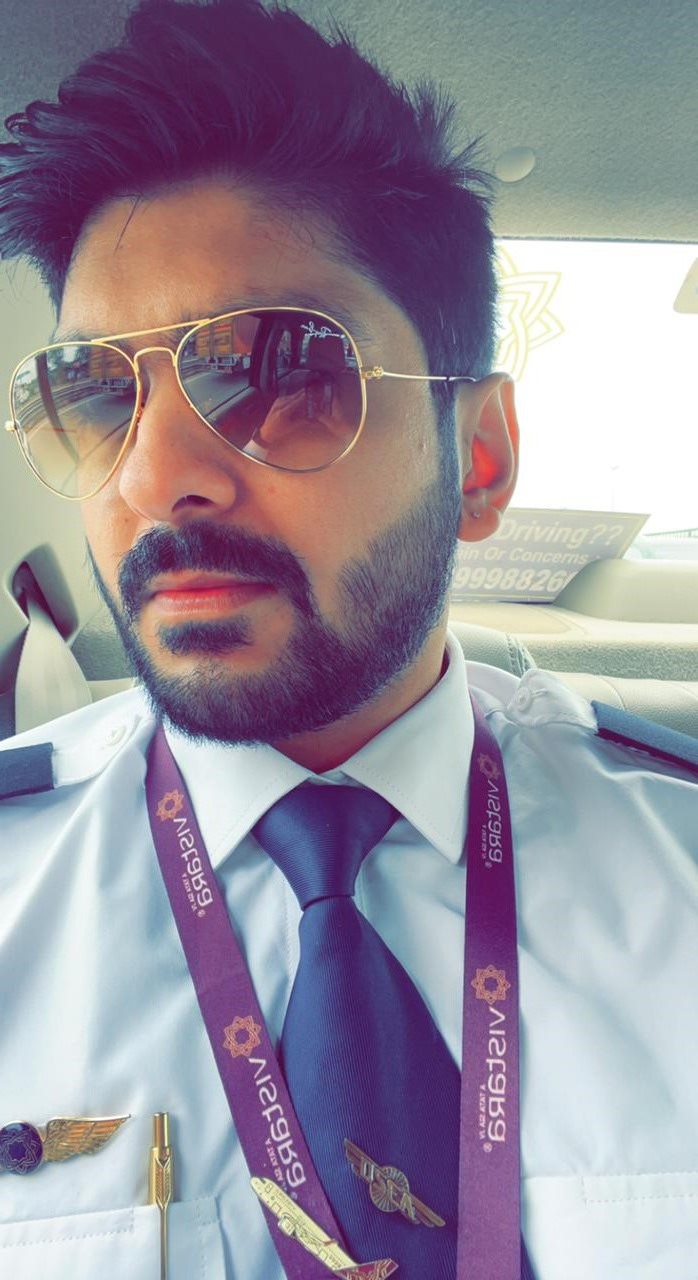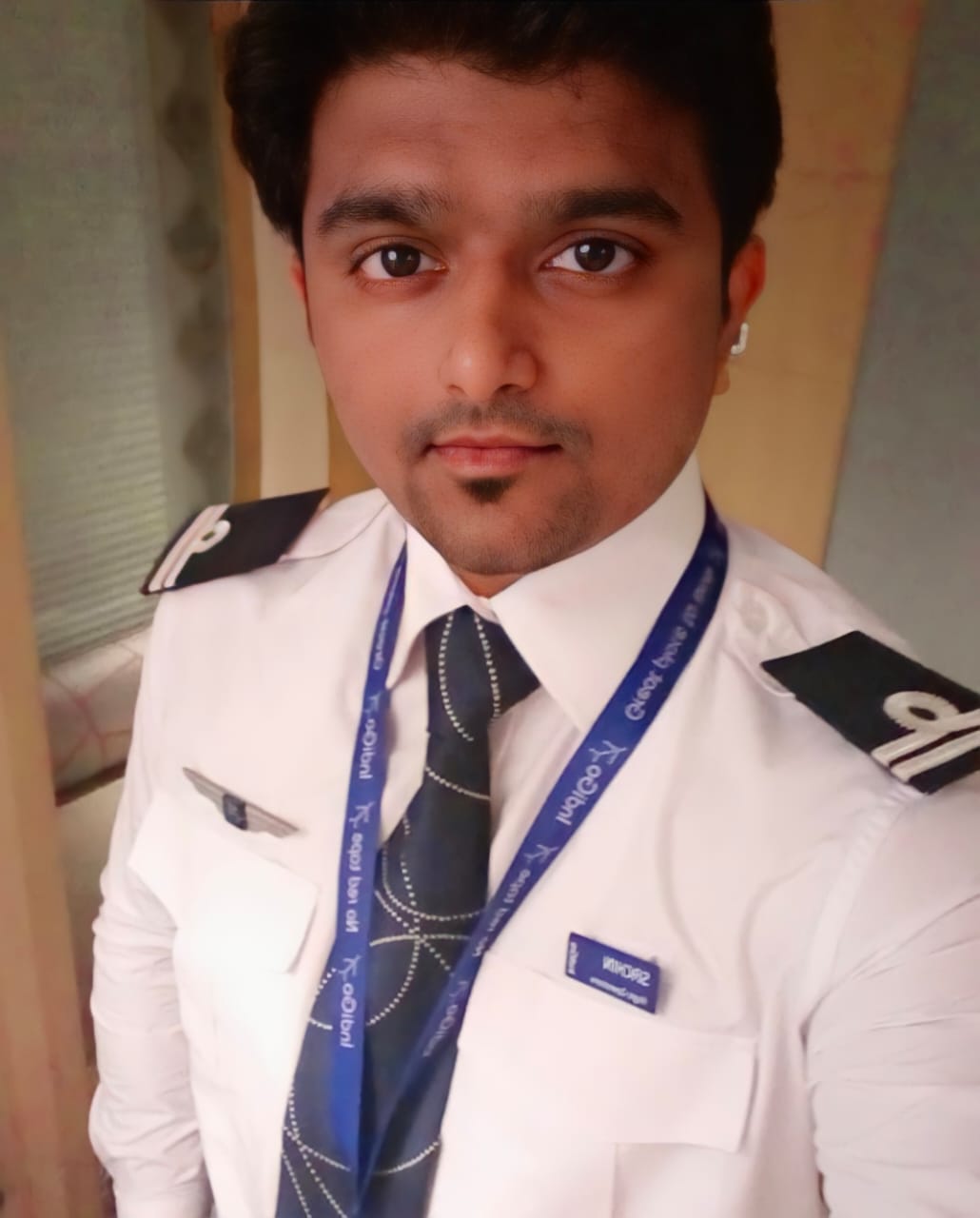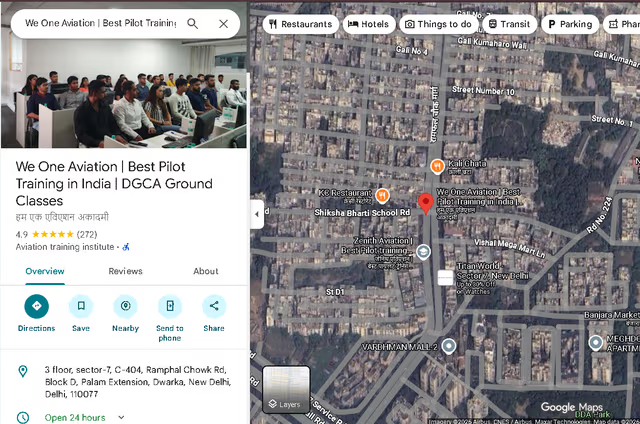
We One Aviation is a pilot training academy focused on assisting aspiring pilots to forge fruitful career paths. Commercial Pilot License Training, international flights training, mentoring and placements assistance

CONTACT US

How to Start Pilot Training After 12th in India

How to Start Pilot Training After 12th in India

Becoming a pilot is one of the most exciting and respected career options for students after completing Class 12th. Many students dream of flying commercial airplanes, traveling around the world, and building a high-paying aviation career. With the rapid growth of the aviation industry in India and abroad, the demand for trained pilots is increasing every year. Pilot training after 12th provides students with the skills, knowledge, and flying experience required to become professional pilots.
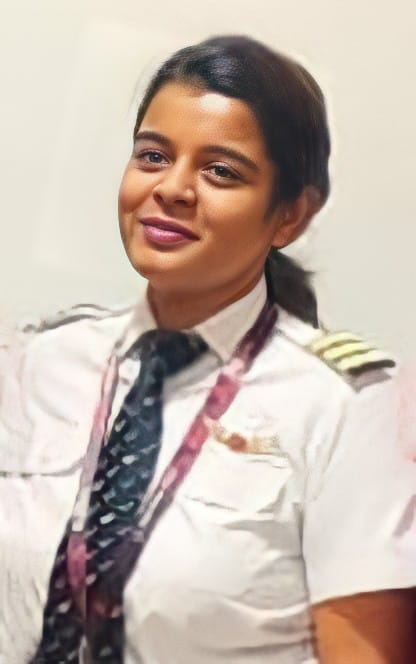
If you are passionate about aviation and want to know how to become a pilot after 12th, this complete guide will help you understand eligibility, training process, fees, career opportunities, and salary details.

What is Pilot Training?

Pilot training is a professional aviation program that teaches students how to operate aircraft safely and efficiently. The training includes both theoretical classes and practical flying experience. Students learn about aircraft systems, air navigation, aviation weather, flight safety, communication systems, and flying techniques.
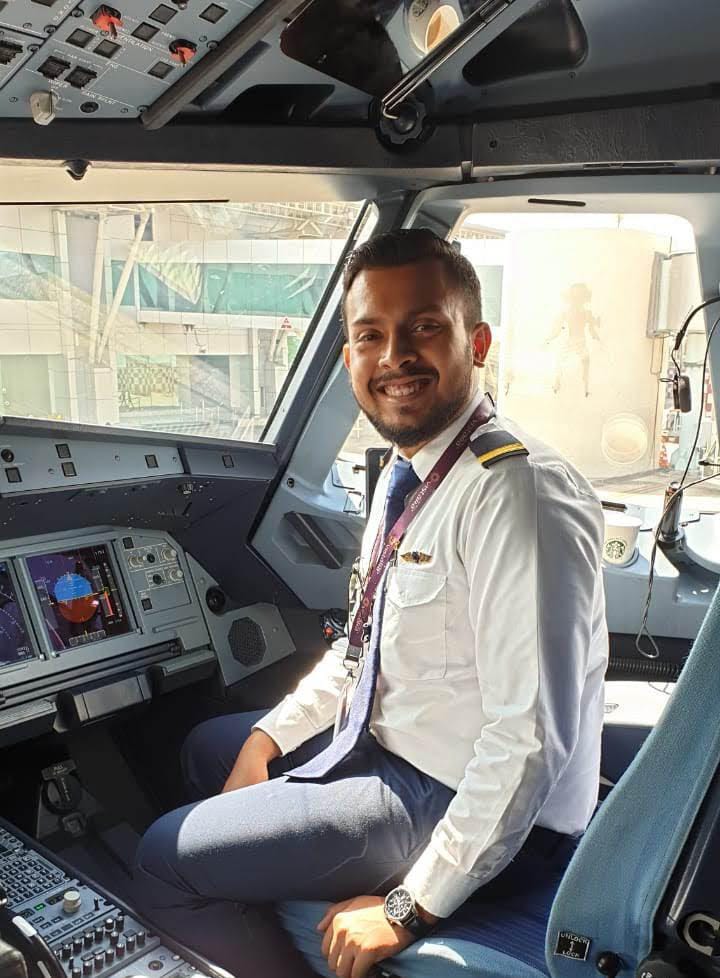
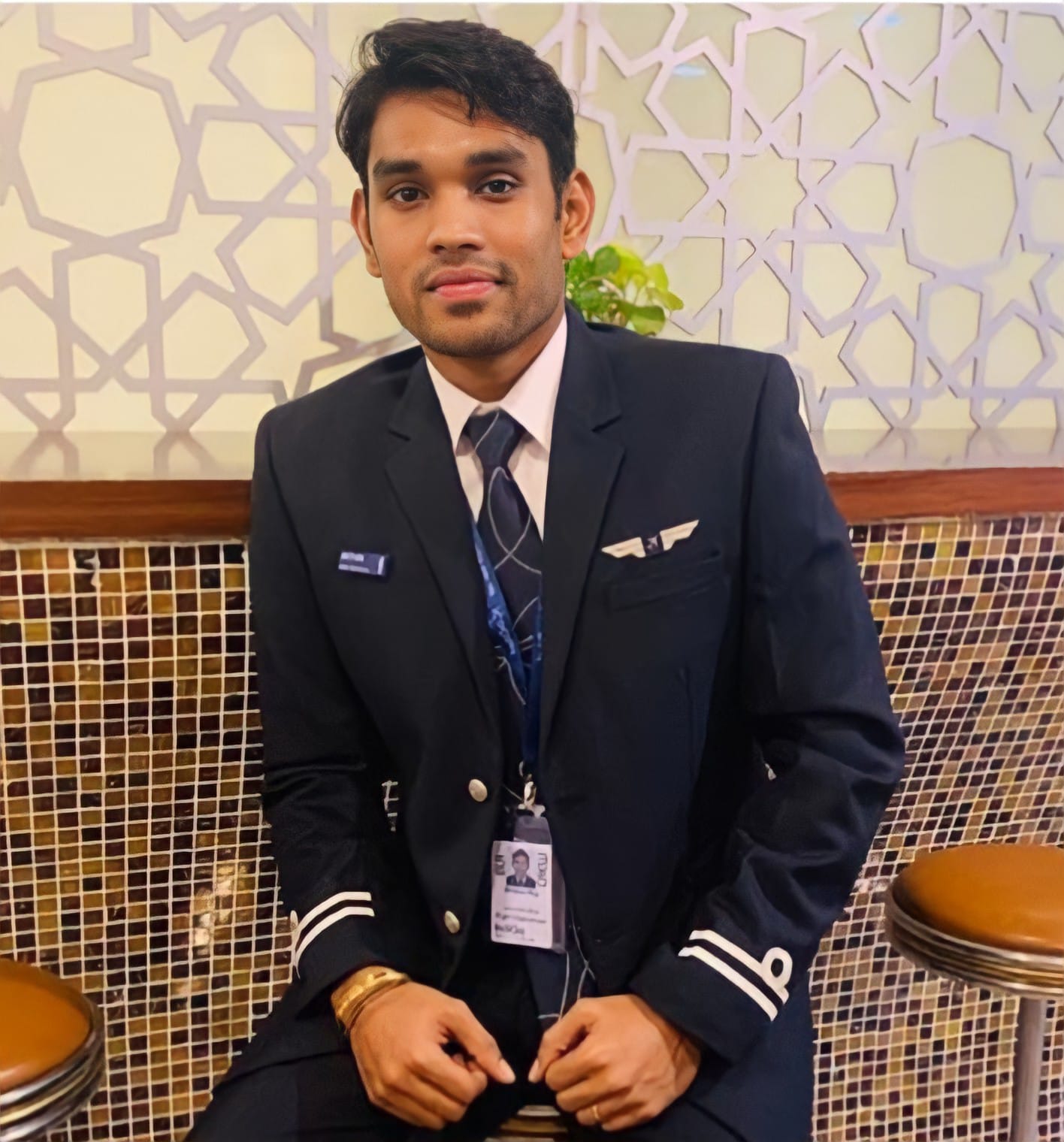
After successful completion of training and required flying hours, students receive pilot licenses that allow them to fly aircraft professionally.
Eligibility for Pilot Training After 12th

Students who want to join pilot training courses in India must fulfill certain eligibility criteria. The basic requirements are:
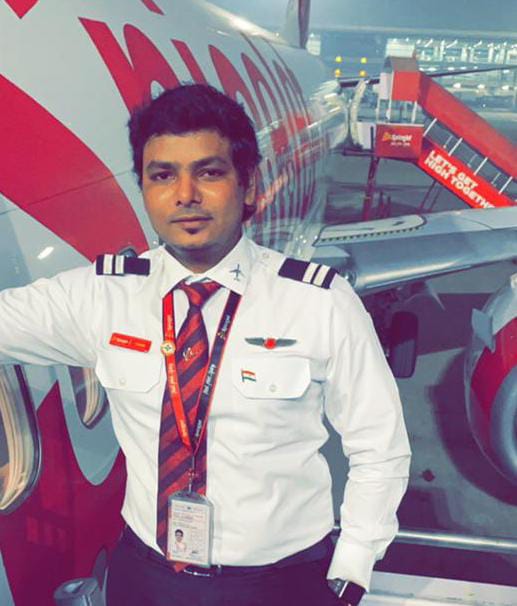
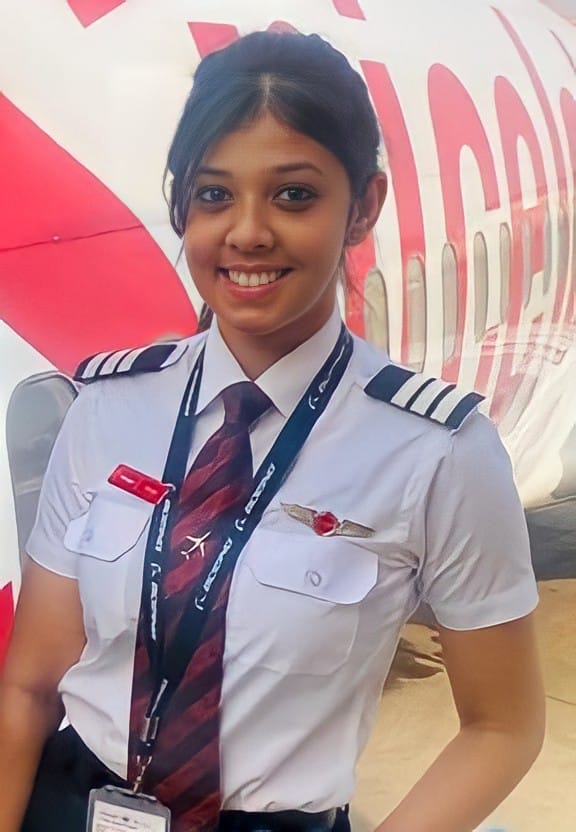
* Candidates must pass 10+2 from a recognized board.
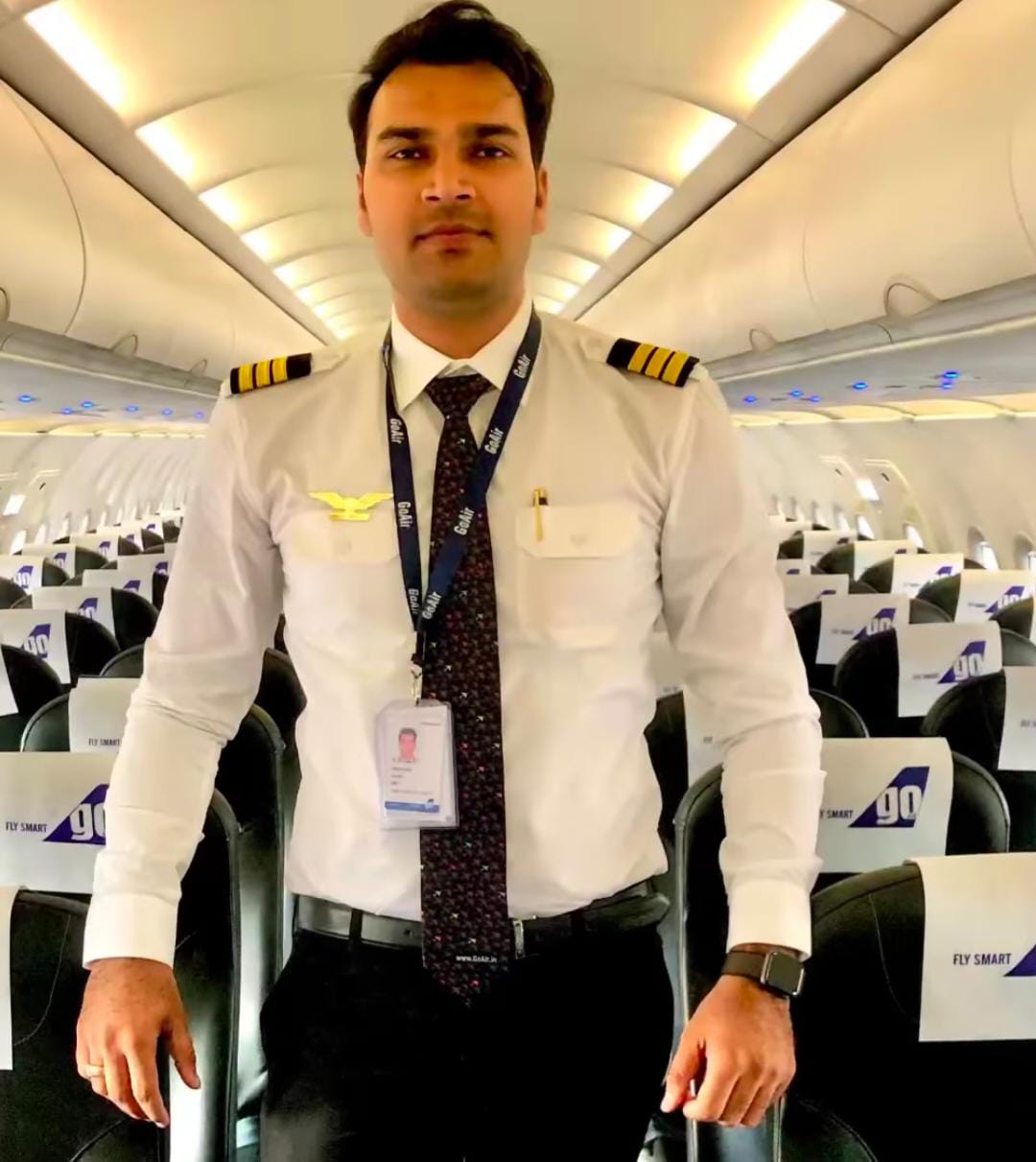
* Physics and Mathematics are compulsory subjects in Class 12.
* Minimum age should be 17 years.
* Students must be medically fit according to aviation standards.
* Good communication skills in English are preferred.

Students from Commerce or Arts backgrounds can also become pilots if they complete Physics and Mathematics through open schooling programs such as National Institute of Open Schooling.

Types of Pilot Licenses

There are different types of pilot licenses in aviation. Each license allows pilots to perform specific flying activities.

  • Student Pilot License (SPL)

This is the first stage of pilot training. It allows students to begin flight training under supervision.

  • Private Pilot License (PPL)

A Private Pilot License allows individuals to fly aircraft for personal purposes but not for commercial airline jobs.

  • Commercial Pilot License (CPL)

The Commercial Pilot License is the most important certification for students who want to work as professional airline pilots. After obtaining a CPL, candidates can apply for jobs in airlines and aviation companies.

  • Airline Transport Pilot License (ATPL)

This is the highest level of pilot certification required for becoming an airline captain.

 Step-by-Step Process to Become a Pilot After 12th

 Step 1: Complete Class 12th

Students should complete 12th with Physics and Mathematics from a recognized board.

 Step 2: Clear Medical Examination

Candidates must pass medical tests approved by the Directorate General of Civil Aviation (DGCA). Good eyesight, physical fitness, and mental health are important.

 Step 3: Join a DGCA-Approved Flying School

Students need to enroll in a recognized aviation academy or flying school for professional pilot training.

 Step 4: Complete Ground Training

Ground classes include theoretical subjects such as:

* Air Navigation
* Meteorology
* Aviation Regulations
* Aircraft Technical Knowledge
* Flight Planning
* Radio Telephony

Scope of Aviation Industry in India

India is one of the fastest-growing aviation markets in the world. The increasing number of airports, airlines, and passengers has created huge demand for professional pilots. The aviation industry is expected to provide thousands of job opportunities in the coming years.

This makes pilot training after 12th a highly promising career option for students interested in aviation.

Conclusion

Pilot training after 12th is an excellent career option for students who dream of flying aircraft and building a successful future in aviation. Although the training requires dedication, discipline, and financial investment, the rewards are highly attractive. With proper training, flying experience, and determination, students can achieve their dream of becoming professional pilots.

FAQs – How to Start Pilot Training After 12th in India

1. What is the eligibility for pilot training after 12th in India?

Students must complete 12th class from a recognized board with Physics and Mathematics. Most aviation academies also require candidates to clear a medical examination approved by DGCA.

2. Can I join pilot training after 12th without Maths?

Yes, students without Maths in 12th can complete Physics and Mathematics through NIOS or another recognized board to become eligible for pilot training in India.

3. Which course is best for pilot training after 12th?

The most popular course is the Commercial Pilot License (CPL) program. Students can also begin with a Private Pilot License (PPL) before moving to CPL training.

4. How much does pilot training after 12th cost in India?

Pilot training fees in India usually range between ₹35 lakh and ₹60 lakh depending on the flying school, aircraft type, and training hours.

5. What is the duration of pilot training after 12th?

The duration of pilot training generally ranges from 18 months to 3 years, depending on weather conditions, exam completion, and flying hours


Our Network

Training Partners For

Elite aviation partners ensuring world-class training standards for our students in India.

Course Flow

01

Master the Fundamentals of Flying

Begin your journey with DGCA-approved theory training, covering essential subjects such as Air Regulations, Meteorology, Air Navigation, and Technical General to build a strong foundation for a successful aviation career. ✈️

02

Student Pilot Licence (SPL)

Learn aviation basics, aircraft familiarization, and air regulations, followed by an oral assessment to qualify for your first solo flight. ✈️

03

First Solo Flight Experience

Take to the skies independently under supervision, practicing take-offs, landings, circuits, and basic manoeuvres to build confidence and flying skills. 🛫

04

Flight Hours & Skill Development

Accumulate required flight hours through cross-country navigation, instrument flying, and advanced exercises to strengthen decision-making and flight proficiency. 🌍

05

Multi-Engine & Instrument Rating

Gain advanced training in multi-engine aircraft and instrument flying, preparing you for airline standards and professional aviation careers. ✈️🚀